
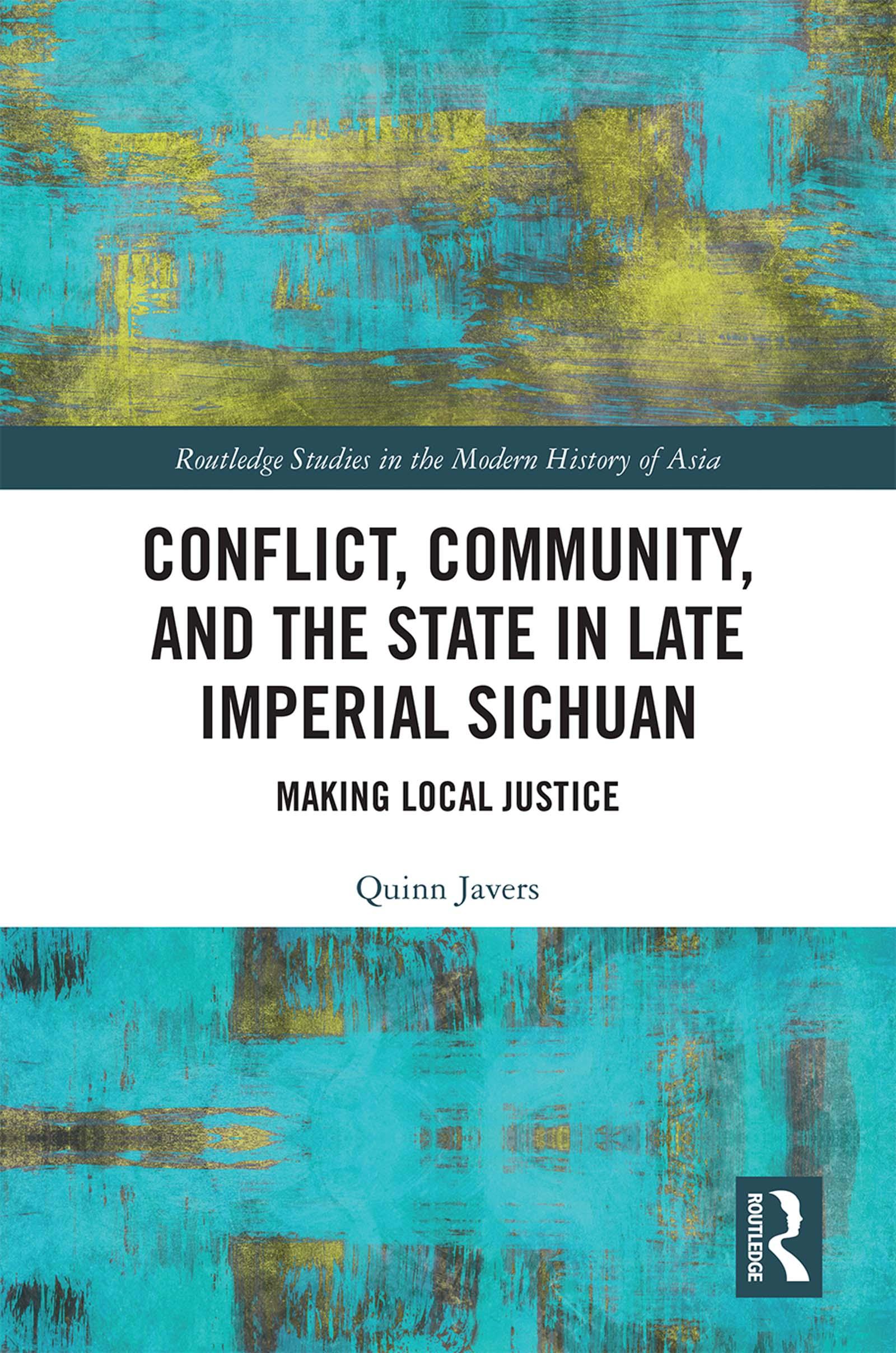
Exploring local practices of dispute resolution and laying bare the routine role of violence in the late-Qing dynasty, Conflict, Community, and the State in Late Imperial Sichuan demonstrates the significance of everyday violence in ordering, disciplining, and building communities.
The book examines over 350 legal cases that comprise the "cases of unnatural death" archival file from 1890 to 1900 in Ba County, Sichuan province. The archive presents an untidy array of death, including homicides, suicides, and found bodies. An analysis of the muddled and often petty disputes found in these records reveals the existence of a local system of authority that disciplined and maintained daily life. Often relying on violence, this local justice system occasionally intersected with the state’s justice system, but was not dependent on it. This study demonstrates the importance of informal, local authority to our understanding of justice in the late Qing era.
Providing a non-elite perspective on Qing power, law, justice, and the role of the state, this book will be of great interest to students and scholars of Chinese and Asian history, as well as legal history and comparative studies of violence.
Betala smidigt med kort, Klarna, Apple Pay eller Google Pay. Är du inte nöjd har du alltid 14 dagars ångerrätt. Läs mer i våra villkor. Har du några frågor, mejla oss på hello@memmo.org.
Memmo gör det enklare att plugga – var du än är i världen. Hos oss samlar du kursböcker och smarta studieverktyg på ett och samma ställe: sammanfattningar, quiz, poddar och flashcards. Och så Ted, din studiekompis som svarar på allt du undrar. Över 50 000 studenter pluggar redan här – byggt för att du ska lära dig snabbare och stressa mindre.