
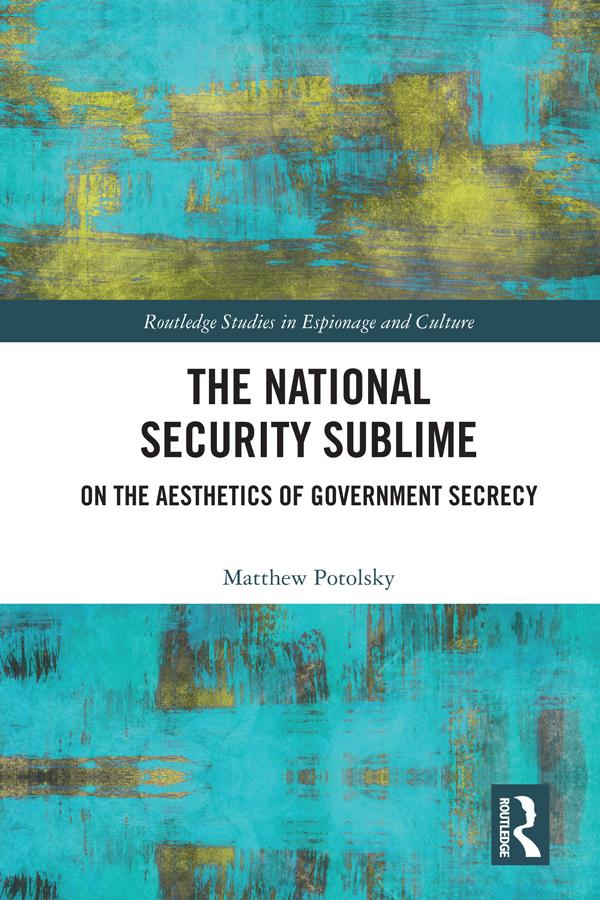
Why do recent depictions of government secrecy and surveillance so often use images suggesting massive size and scale: gigantic warehouses, remote black sites, numberless security cameras? Drawing on post-War American art, film, television, and fiction, Matthew Potolsky argues that the aesthetic of the sublime provides a privileged window into the nature of modern intelligence, a way of describing the curiously open secret of covert operations. The book tracks the development of the national security sublime from the Cold War to the War on Terror, and places it in a long history of efforts by artists and writers to represent political secrecy.
Betala smidigt med kort, Klarna, Apple Pay eller Google Pay. Är du inte nöjd har du alltid 14 dagars ångerrätt. Läs mer i våra villkor. Har du några frågor, mejla oss på hello@memmo.org.
Memmo gör det enklare att plugga – var du än är i världen. Hos oss samlar du kursböcker och smarta studieverktyg på ett och samma ställe: sammanfattningar, quiz, poddar och flashcards. Och så Ted, din studiekompis som svarar på allt du undrar. Över 50 000 studenter pluggar redan här – byggt för att du ska lära dig snabbare och stressa mindre.