
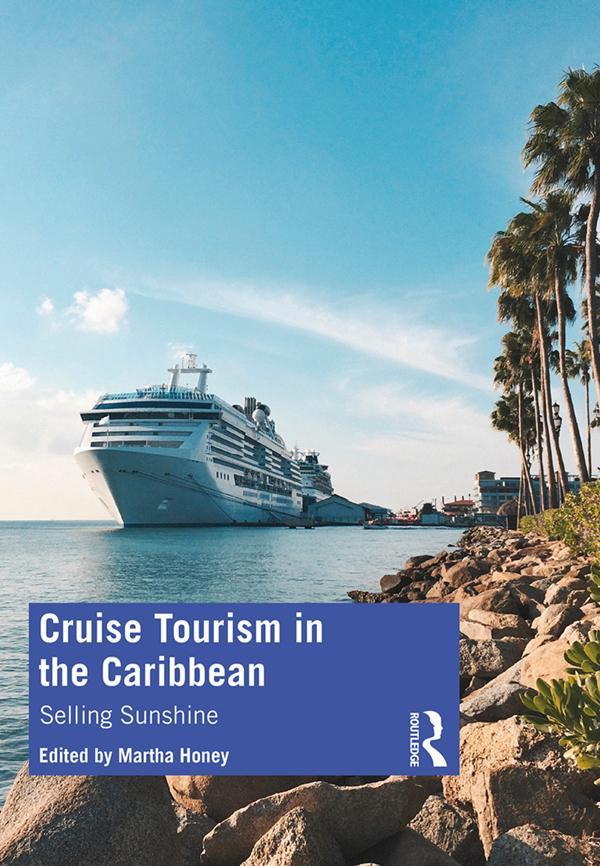
This book explores the lessons learned from half a century of Caribbean cruise tourism; one of the most popular and profitable sectors of the tourism industry.
The modern-day cruise industry dates from the 1960s when the three major cruise lines, Carnival, Royal Caribbean, and Norwegian, set up shop in Florida and began selling winter cruises to the Caribbean targeting American retirees. For geopolitical reasons, the US initially excluded cruises to Cuba. This changed in 2016, following the historic Obama-Castro agreement to move towards diplomatic, trade and travel normalization. Cuba quickly became the Caribbean’s fastest growing cruise destination.
This book considers the limited economic benefits of cruise tourism, its environmental and social impacts, and the effects of climate change, and "overtourism." Based on this analysis and case studies of key Caribbean and Mediterranean destinations, this book cautions against overdependence on cruise tourism and outlines reforms needed to bring more benefits and equity to Caribbean countries. It will be valuable to professionals, businesses, development agencies, NGOs, and academics interested in a sustainable cruise industry and the economic well-being of Caribbean island nations.
Betala smidigt med kort, Klarna, Apple Pay eller Google Pay. Är du inte nöjd har du alltid 14 dagars ångerrätt. Läs mer i våra villkor. Har du några frågor, mejla oss på hello@memmo.org.
Memmo gör det enklare att plugga – var du än är i världen. Hos oss samlar du kursböcker och smarta studieverktyg på ett och samma ställe: sammanfattningar, quiz, poddar och flashcards. Och så Ted, din studiekompis som svarar på allt du undrar. Över 50 000 studenter pluggar redan här – byggt för att du ska lära dig snabbare och stressa mindre.