
Examines mass production in antiquity
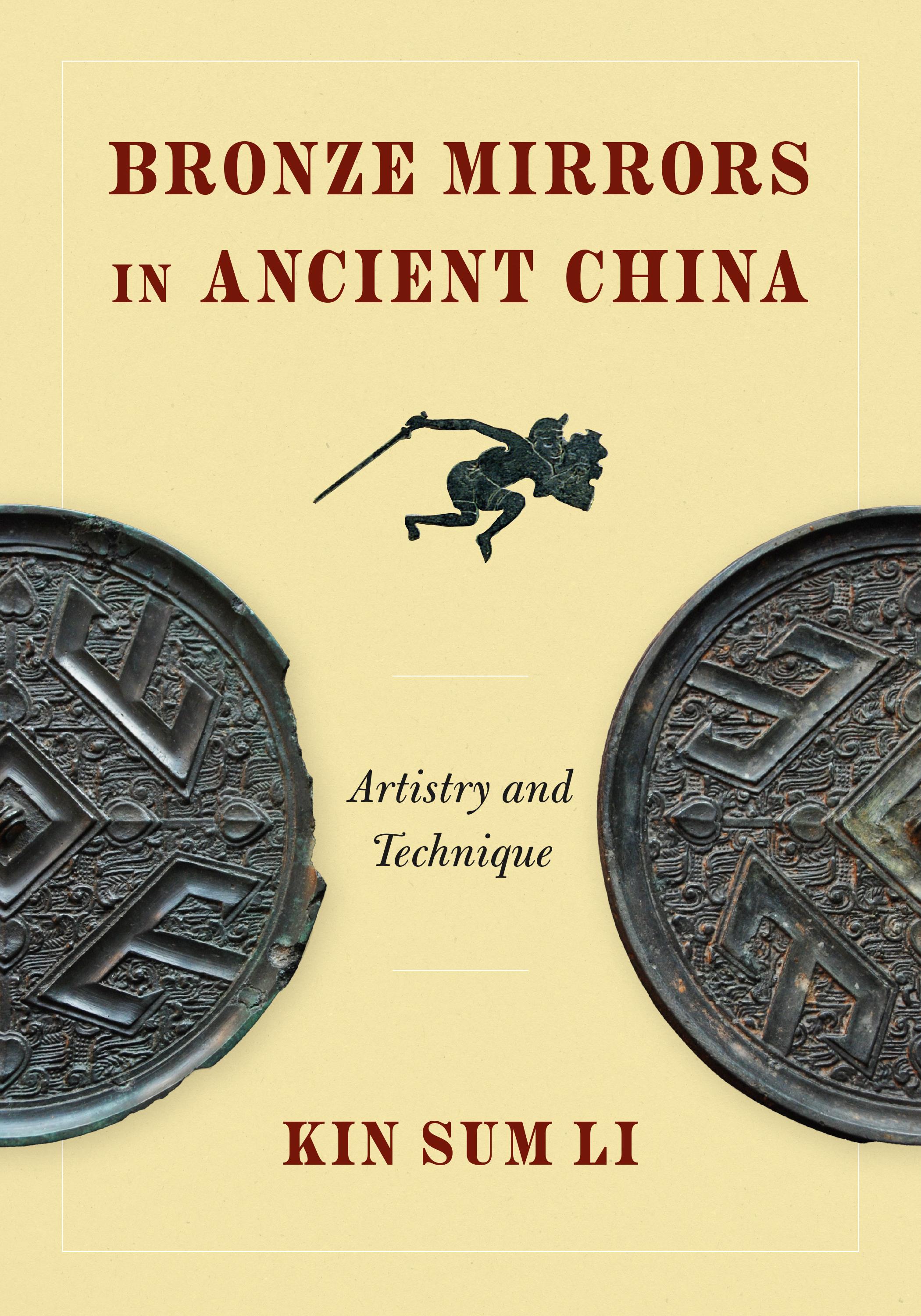
Highly decorated mirrors are widely sought by museums with collections of Chinese art and are the most actively exchanged items in the art market of ancient Chinese bronzes. Featuring intricate designs that draw from those observable on woven bamboo, textiles, jade, and lacquered and painted objects of their time, these mirrors display intricate artistry. Motifs such as dragons, birds, and monsters interplay with layered decorative patterns. Most of what we know of these mirrors comes from their discovery in recent decades in tombs dating to early China. Despite their importance, this is the first book-length, scholarly study of Chinese bronze mirrors. Through research based on close examination and comparison of extant examples, Kin Sum Li offers a detailed analysis of how mirrors were designed and produced during the period from 500 to 200 BCE. He documents evidence of an emphasis on efficiency and division of labor in the production process that permitted artisans to apply expertise accumulated from long-term training and professional practice. Improvements in the production process eventually changed how mirror models and molds were prepared, as compared to earlier freehand carving. Collectively, mirror producers laid the foundations of a large commercial exchange network. Bronze Mirrors in Ancient China will be of interest to art historians, archaeologists, museum curators, art dealers, mirror collectors, and auction houses.
Betala smidigt med kort, Klarna, Apple Pay eller Google Pay. Är du inte nöjd har du alltid 14 dagars ångerrätt. Läs mer i våra villkor. Har du några frågor, mejla oss på hello@memmo.org.
Memmo gör det enklare att plugga – var du än är i världen. Hos oss samlar du kursböcker och smarta studieverktyg på ett och samma ställe: sammanfattningar, quiz, poddar och flashcards. Och så Ted, din studiekompis som svarar på allt du undrar. Över 50 000 studenter pluggar redan här – byggt för att du ska lära dig snabbare och stressa mindre.