
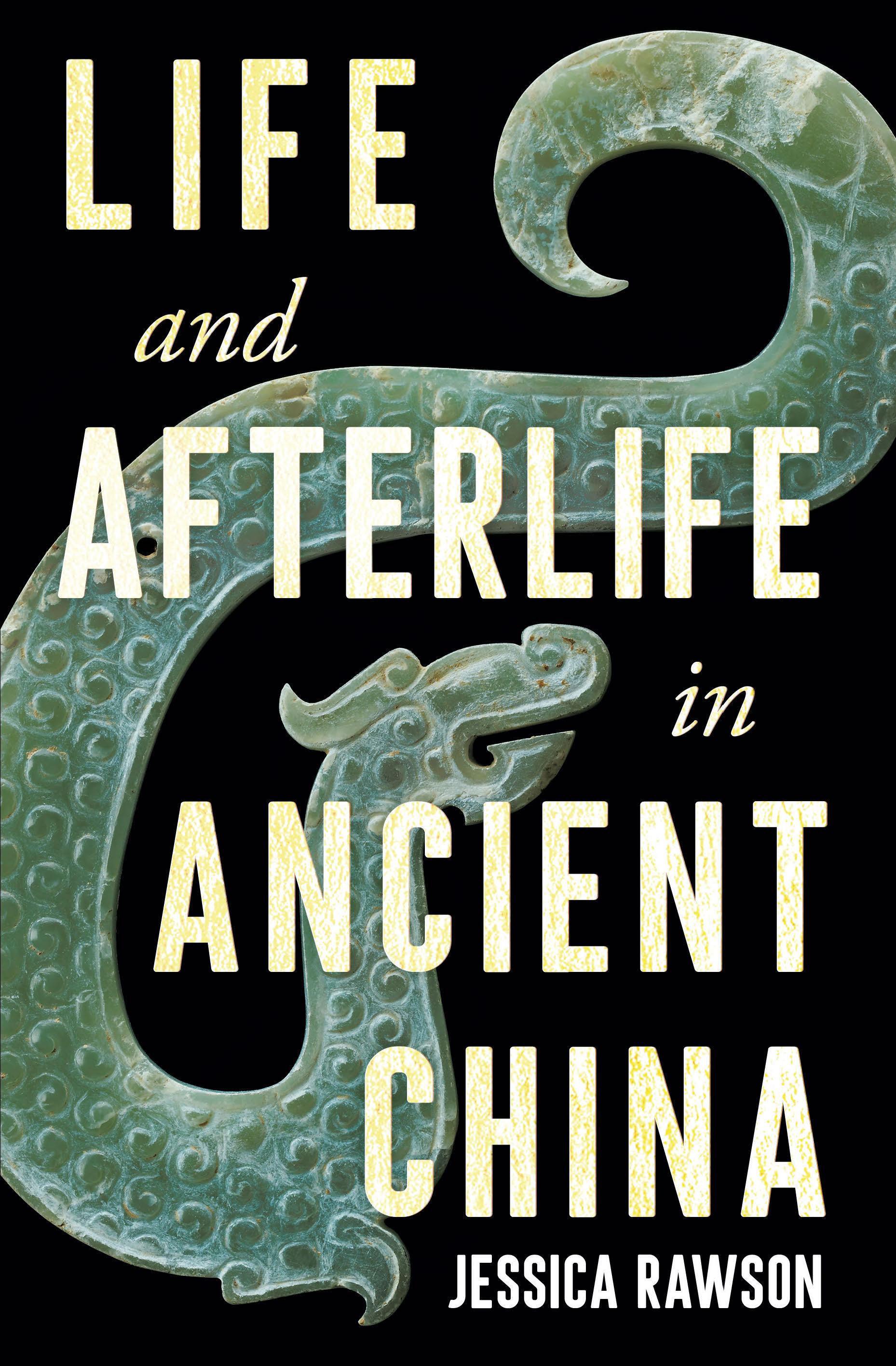
The three millennia up to the establishment of the first imperial Qin dynasty in 221 BC cemented many of the distinctive elements of Chinese civilization still in place today: an extraordinarily challenging geography and environment; formidable infrastructure; a society based on the strict hierarchy of the family; a shared written script of characters; a cuisine founded on rice and millet; a material culture of ceramics, bronze, silk, and jade; and a unique concept of the universe, in which ancestors continue to exist alongside the living. Records of these early achievements and their diverse expressions often lie not in written history but in how people marked the end of their lives: their dwellings for the afterlife. Tombs and the treasures within them are almost the only artifacts to survive from Ancient China; their scale and sophistication rivals their equivalents in Ancient Egypt.
Jessica Rawson, one of the most eminent Western scholars of China, explores twelve grand tombs—each from a specific historical moment and place—showing how they reveal wider political, dynastic, and cultural developments, culminating in the lavish ambition of the First Emperor's monument, guarded by his army of terracotta warriors. Beautifully illustrated and drawing on the latest archaeological discoveries, Life and Afterlife in Ancient China illuminates a constellation of beliefs about life and death and provides a remarkable new perspective on one of the oldest civilizations in the world.
Betala smidigt med kort, Klarna, Apple Pay eller Google Pay. Är du inte nöjd har du alltid 14 dagars ångerrätt. Läs mer i våra villkor. Har du några frågor, mejla oss på hello@memmo.org.
Memmo gör det enklare att plugga – var du än är i världen. Hos oss samlar du kursböcker och smarta studieverktyg på ett och samma ställe: sammanfattningar, quiz, poddar och flashcards. Och så Ted, din studiekompis som svarar på allt du undrar. Över 50 000 studenter pluggar redan här – byggt för att du ska lära dig snabbare och stressa mindre.