
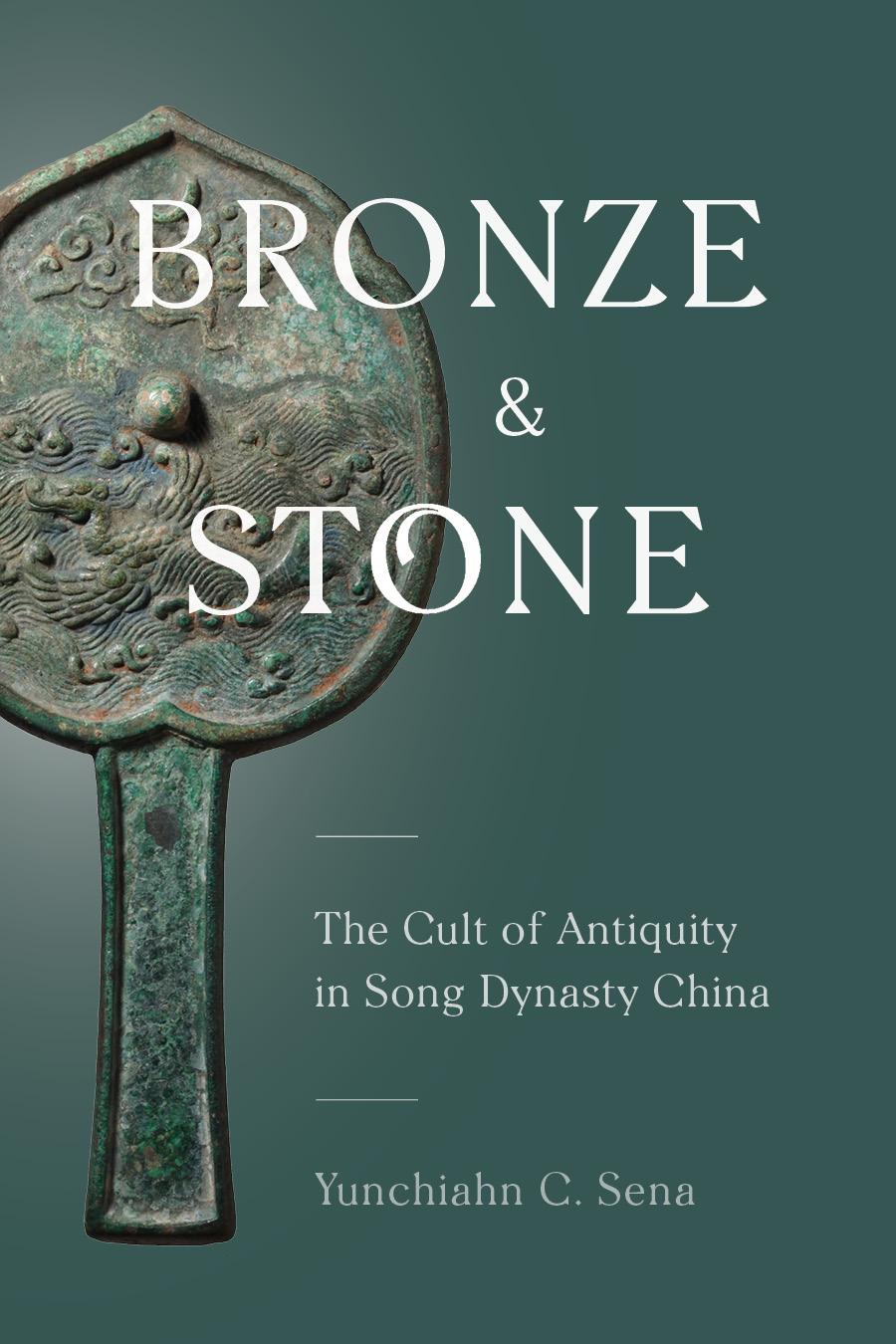
Despite China’s long tradition of venerating the past as the ultimate source of cultural authority, the discourse of antiquity prior to the Song period (960–1279) demonstrated little concern for ancient objects. With a focus on physical artifacts of the past, Song intellectuals began a new discipline, “the study of bronze and stone” (jinshixue), that generated collections of items such as bronze vessels and bells, stone steles, and ink rubbings of inscriptions carved or cast on objects. This first comprehensive study in English of the Song antiquarian movement and how it refashioned the distant past uses textual and material evidence to examine this development, which has had long-lasting influence on Chinese intellectual history and on the preservation of material objects. In addition to collecting and comparing artifacts, Song antiquaries compiled extensive catalogs that included drawings, measurements, and meticulous descriptions. Their studies have contributed to the way history has been documented since the eleventh century and serve as a basis for archaeology of the modern period. Bronze and Stone contextualizes the Song antiquarian movement among previous Chinese engagements with antiquity, subsequent popular interest in ancient objects, and world antiquarianism.
Betala smidigt med kort, Klarna, Apple Pay eller Google Pay. Är du inte nöjd har du alltid 14 dagars ångerrätt. Läs mer i våra villkor. Har du några frågor, mejla oss på hello@memmo.org.
Memmo gör det enklare att plugga – var du än är i världen. Hos oss samlar du kursböcker och smarta studieverktyg på ett och samma ställe: sammanfattningar, quiz, poddar och flashcards. Och så Ted, din studiekompis som svarar på allt du undrar. Över 50 000 studenter pluggar redan här – byggt för att du ska lära dig snabbare och stressa mindre.