
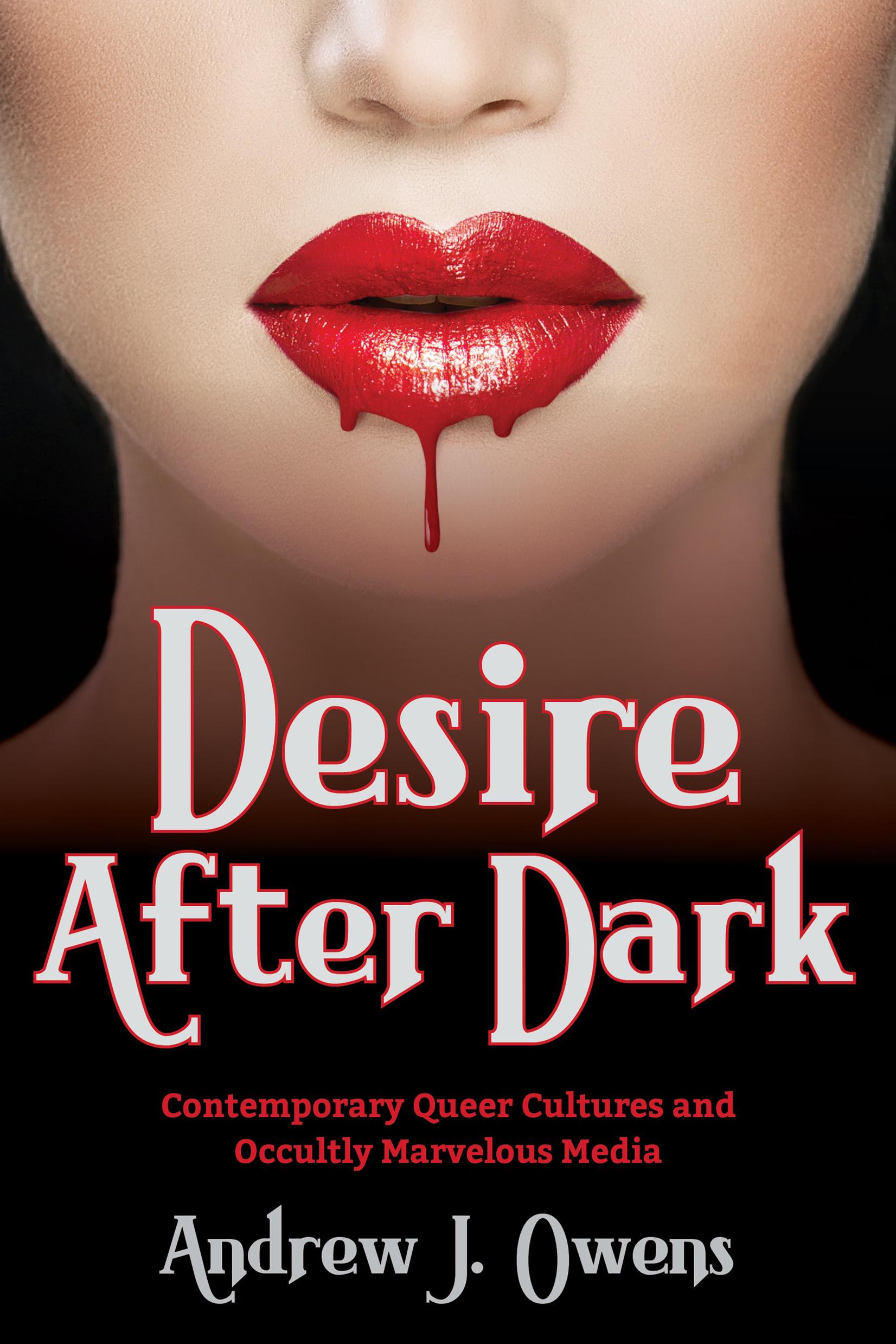
Since the 1960s, the occult in film and television has responded to and reflected society's crises surrounding gender and sexuality.
In Desire After Dark, Andrew J. Owens explores media where figures such as vampires and witches make use of their supernatural knowledge in order to queer what otherwise appears to be a normative world. Beginning with the global sexual revolutions of the '60s and moving decade by decade through "Euro-sleaze" cinema and theatrical hardcore pornography, the HIV/AIDS crisis, the popularity of New Age religions and witchcraft, and finally the increasingly explicit sexualization of American cable television, Owens contends that occult media has risen to prominence during the past 60 years as a way of exposing and working through cultural crises about queerness. Through the use of historiography and textual analyses of media from Bewitched to The Hunger, Owens reveals that the various players in occult media have always been well aware that non-normative sexuality constitutes the heart of horror's enduring appeal.
By investigating vampirism, witchcraft, and other manifestations of the supernatural in media, Desire After Dark confirms how the queer has been integral to the evolution of the horror genre and its persistent popularity as both a subcultural and mainstream media form.
Betala smidigt med kort, Klarna, Apple Pay eller Google Pay. Är du inte nöjd har du alltid 14 dagars ångerrätt. Läs mer i våra villkor. Har du några frågor, mejla oss på hello@memmo.org.
Memmo gör det enklare att plugga – var du än är i världen. Hos oss samlar du kursböcker och smarta studieverktyg på ett och samma ställe: sammanfattningar, quiz, poddar och flashcards. Och så Ted, din studiekompis som svarar på allt du undrar. Över 50 000 studenter pluggar redan här – byggt för att du ska lära dig snabbare och stressa mindre.