
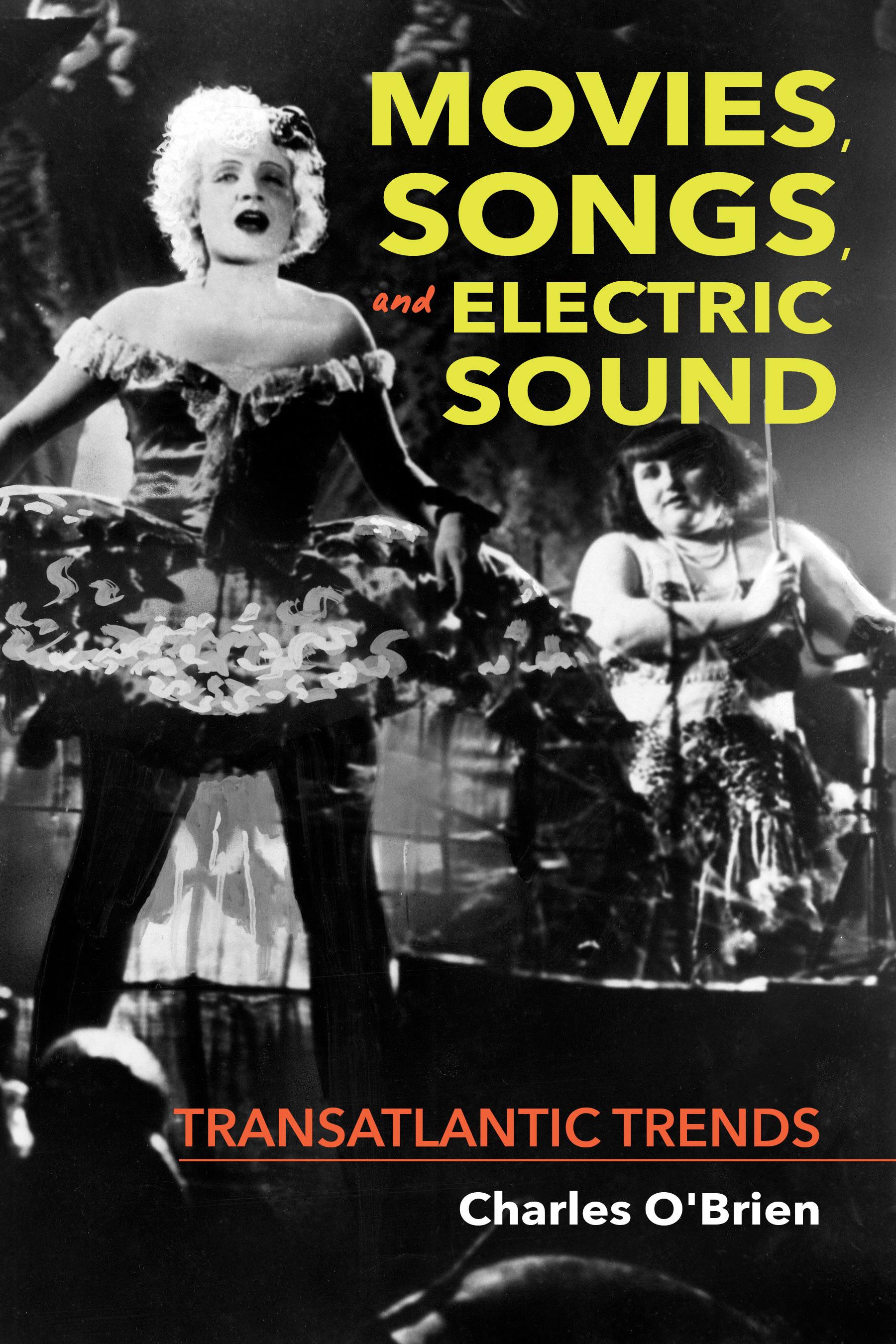
How did the introduction of recorded music affect the production, viewing experience, and global export of movies? In Movies, Songs, and Electric Sound, Charles O'Brien examines American and European musical films created circa 1930, when the world's sound-equipped theaters screened movies featuring recorded songs and filmmakers in the United States and Europe struggled to meet the artistic and technical challenges of sound production and distribution. The presence of singers in films exerted special pressures on film technique, lending a distinct look and sound to the films' musical sequences. Rather than advancing a film's plot, songs in these films were staged, filmed, and cut to facilitate the singer's engagement with her or his public. Through an examination of the export market for sound films in the early 1930s, when German and American companies used musical films as a vehicle for competing to control the world film trade, this book delineates a new transnational context for understanding the Hollywood musical. Combining archival research with the cinemetric analysis of hundreds of American, German, French, and British films made between 1927 and 1934, O'Brien provides the historical context necessary for making sense of the aesthetic impact of changes in film technology from the past to the present.
Betala smidigt med kort, Klarna, Apple Pay eller Google Pay. Är du inte nöjd har du alltid 14 dagars ångerrätt. Läs mer i våra villkor. Har du några frågor, mejla oss på hello@memmo.org.
Memmo gör det enklare att plugga – var du än är i världen. Hos oss samlar du kursböcker och smarta studieverktyg på ett och samma ställe: sammanfattningar, quiz, poddar och flashcards. Och så Ted, din studiekompis som svarar på allt du undrar. Över 50 000 studenter pluggar redan här – byggt för att du ska lära dig snabbare och stressa mindre.