
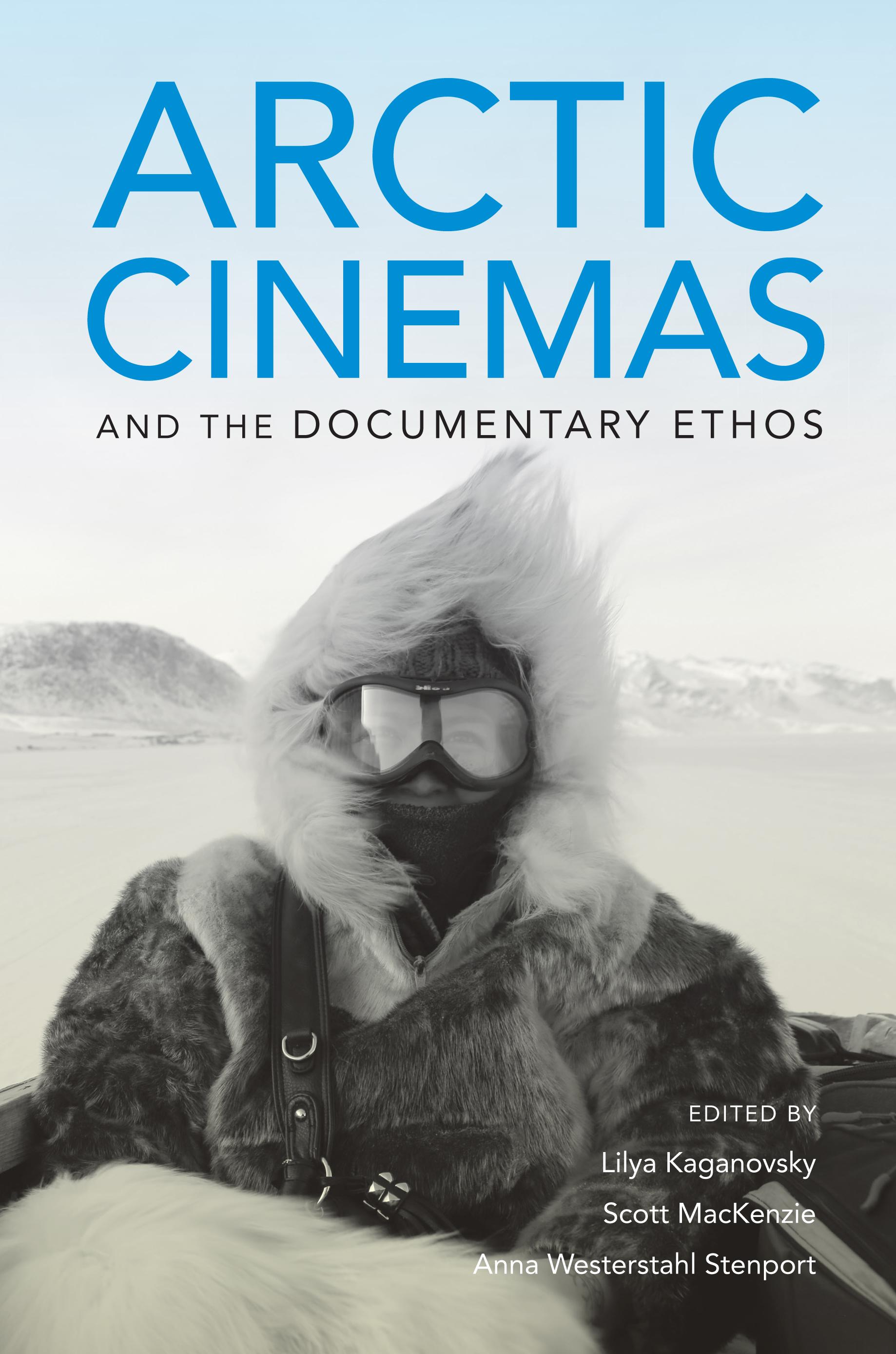
Beginning with Robert Flaherty's Nanook of the North (1922), the majority of films that have been made in, about, and by filmmakers from the Arctic region have been documentary cinema. Focused on a hostile environment that few people visit, these documentaries have heavily shaped ideas about the contemporary global Far North. In Arctic Cinemas and the Documentary Ethos, contributors from a variety of scholarly and artistic backgrounds come together to provide a comprehensive study of Arctic documentary cinemas from a transnational perspective. This book offers a thorough analysis of the concept of the Arctic as it is represented in documentary filmmaking, while challenging the notion of "The Arctic" as a homogenous entity that obscures the environmental, historical, geographic, political, and cultural differences that characterize the region. By examining how the Arctic is imagined, understood, and appropriated in documentary work, the contributors argue that such films are key in contextualizing environmental, indigenous, political, cultural, sociological, and ethnographic understandings of the Arctic, from early cinema to the present. Understanding the role of these films becomes all the more urgent in the present day, as conversations around resource extraction, climate change, and sovereignty take center stage in the Arctic's representation.
Betala smidigt med kort, Klarna, Apple Pay eller Google Pay. Är du inte nöjd har du alltid 14 dagars ångerrätt. Läs mer i våra villkor. Har du några frågor, mejla oss på hello@memmo.org.
Memmo gör det enklare att plugga – var du än är i världen. Hos oss samlar du kursböcker och smarta studieverktyg på ett och samma ställe: sammanfattningar, quiz, poddar och flashcards. Och så Ted, din studiekompis som svarar på allt du undrar. Över 50 000 studenter pluggar redan här – byggt för att du ska lära dig snabbare och stressa mindre.