
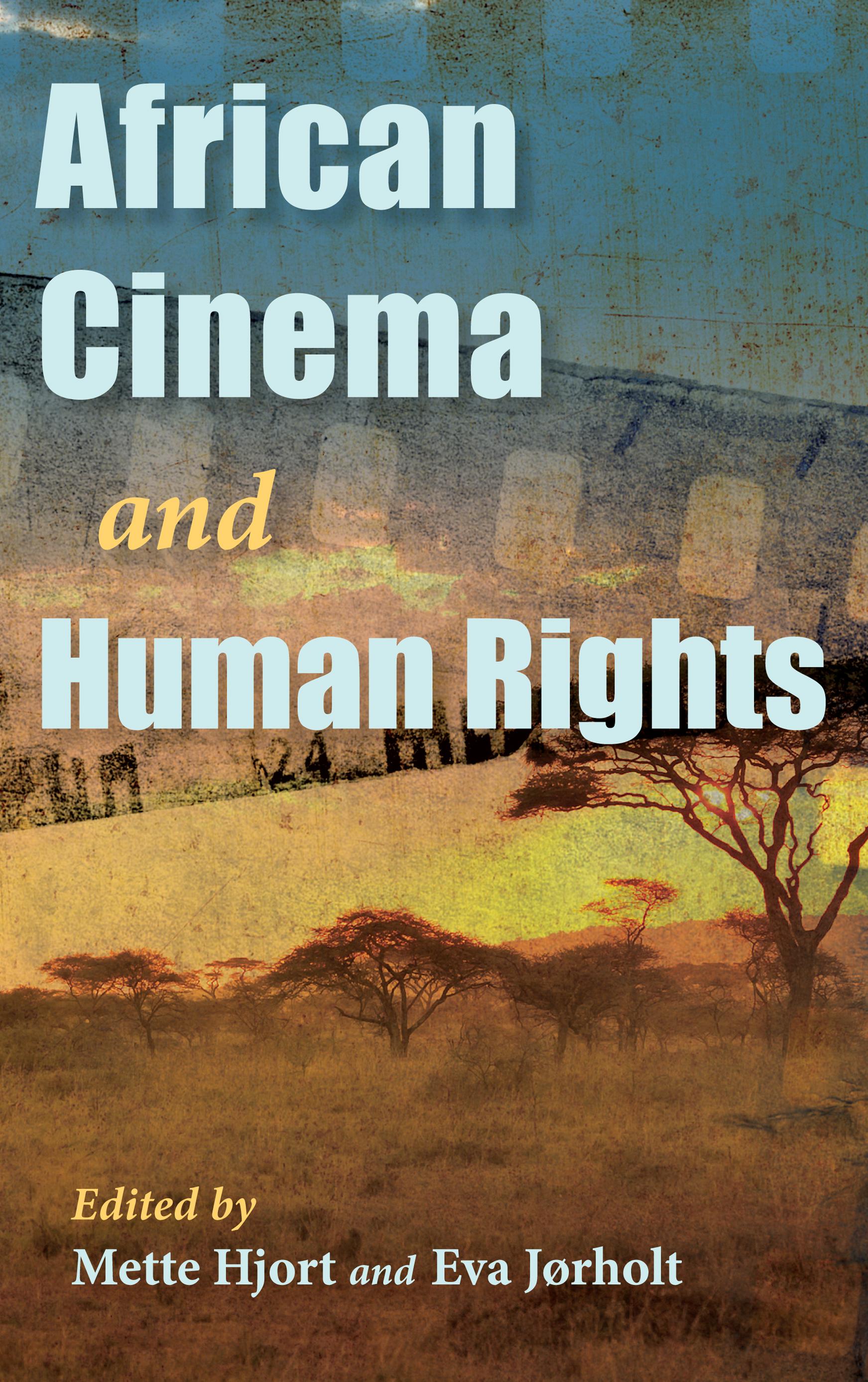
Bringing theory and practice together, African Cinema and Human Rights argues that moving images have a significant role to play in advancing the causes of justice and fairness. The contributors to this volume identify three key ways in which film can achieve these goals: documenting human rights abuses and thereby supporting the claims of victims and goals of truth and reconciliation within larger communities; legitimating, and consequently solidifying, an expanded scope for human rights; and promoting the realization of social and economic rights. Including the voices of African scholars, scholar-filmmakers, African directors Jean-Marie Teno and Gaston Kaboré, and researchers whose work focuses on transnational cinema, this volume explores overall perspectives, and differences of perspective, pertaining to Africa, human rights, and human rights filmmaking alongside specific case studies of individual films and areas of human rights violations. With its interdisciplinary scope, attention to practitioners' self-understandings, broad perspectives, and particular case studies, African Cinema and Human Rights is a foundational text that offers questions, reflections, and evidence that help us to consider film's ideal role within the context of our ever-continuing struggle towards a more just global society.
Betala smidigt med kort, Klarna, Apple Pay eller Google Pay. Är du inte nöjd har du alltid 14 dagars ångerrätt. Läs mer i våra villkor. Har du några frågor, mejla oss på hello@memmo.org.
Memmo gör det enklare att plugga – var du än är i världen. Hos oss samlar du kursböcker och smarta studieverktyg på ett och samma ställe: sammanfattningar, quiz, poddar och flashcards. Och så Ted, din studiekompis som svarar på allt du undrar. Över 50 000 studenter pluggar redan här – byggt för att du ska lära dig snabbare och stressa mindre.