
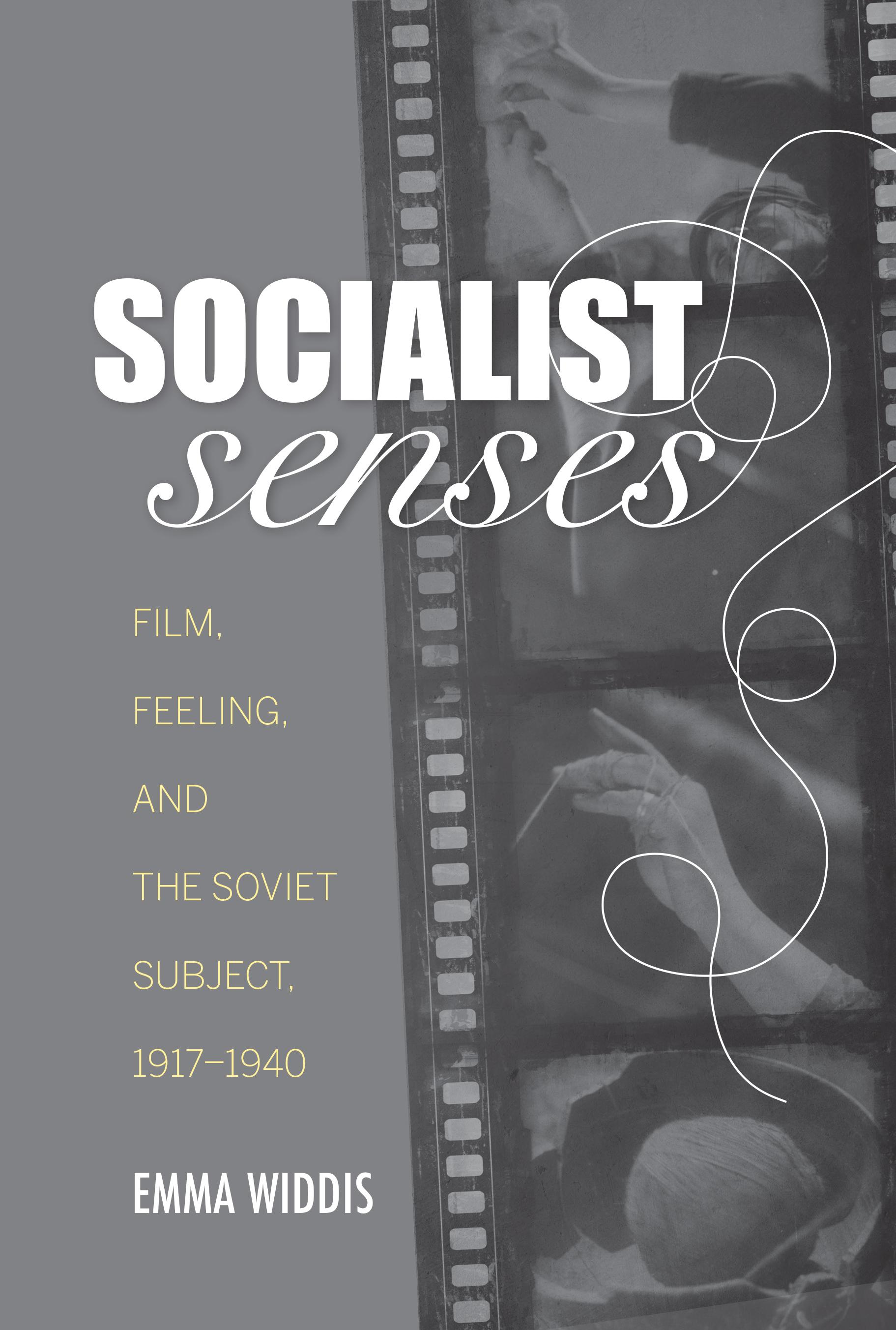
This major reimagining of the history of Soviet film and its cultural impact explores the fundamental transformations in how film, through the senses, remade the Soviet self in the 1920s and 1930s. Following the Russian Revolution, there was a shared ambition for a 'sensory revolution' to accompany political and social change: Soviet men and women were to be reborn into a revitalized relationship with the material world. Cinema was seen as a privileged site for the creation of this sensory revolution: film could both discover the world anew, and model a way of inhabiting it. Drawing upon an extraordinary array of films, noted scholar Emma Widdis shows how Soviet cinema, as it evolved from the revolutionary avant-garde to Socialist Realism, gradually shifted its materialist agenda from emphasizing the external senses to instilling the appropriate internal senses (consciousness, emotions) in the new Soviet subject.
Betala smidigt med kort, Klarna, Apple Pay eller Google Pay. Är du inte nöjd har du alltid 14 dagars ångerrätt. Läs mer i våra villkor. Har du några frågor, mejla oss på hello@memmo.org.
Memmo gör det enklare att plugga – var du än är i världen. Hos oss samlar du kursböcker och smarta studieverktyg på ett och samma ställe: sammanfattningar, quiz, poddar och flashcards. Och så Ted, din studiekompis som svarar på allt du undrar. Över 50 000 studenter pluggar redan här – byggt för att du ska lära dig snabbare och stressa mindre.