
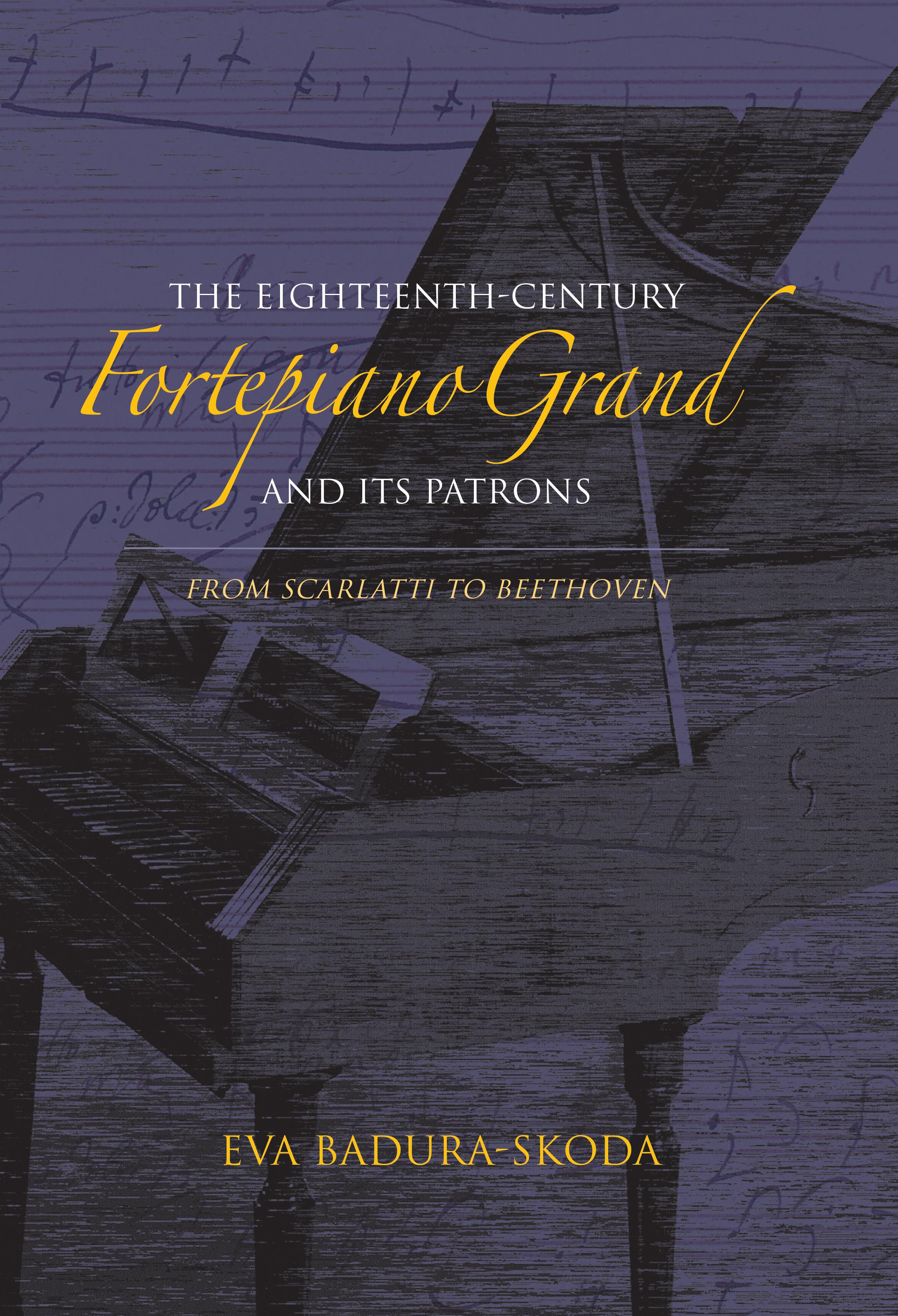
In the late 17th century, Italian musician and inventor Bartolomeo Cristofori developed a new musical instrument—his cembalo che fa il piano e forte, which allowed keyboard players flexible dynamic gradation. This innovation, which came to be known as the hammer-harpsichord or fortepiano grand, was slow to catch on in musical circles. However, as renowned piano historian Eva Badura-Skoda demonstrates, the instrument inspired new keyboard techniques and performance practices and was eagerly adopted by virtuosos of the age, including Scarlatti, J. S. Bach, Clementi, Haydn, Mozart, and Beethoven. Presenting a rich array of archival evidence, Badura-Skoda traces the construction and use of the fortepiano grand across the musical cultures of 18th-century Europe, providing a valuable resource for music historians, organologists, and performers.
Betala smidigt med kort, Klarna, Apple Pay eller Google Pay. Är du inte nöjd har du alltid 14 dagars ångerrätt. Läs mer i våra villkor. Har du några frågor, mejla oss på hello@memmo.org.
Memmo gör det enklare att plugga – var du än är i världen. Hos oss samlar du kursböcker och smarta studieverktyg på ett och samma ställe: sammanfattningar, quiz, poddar och flashcards. Och så Ted, din studiekompis som svarar på allt du undrar. Över 50 000 studenter pluggar redan här – byggt för att du ska lära dig snabbare och stressa mindre.