
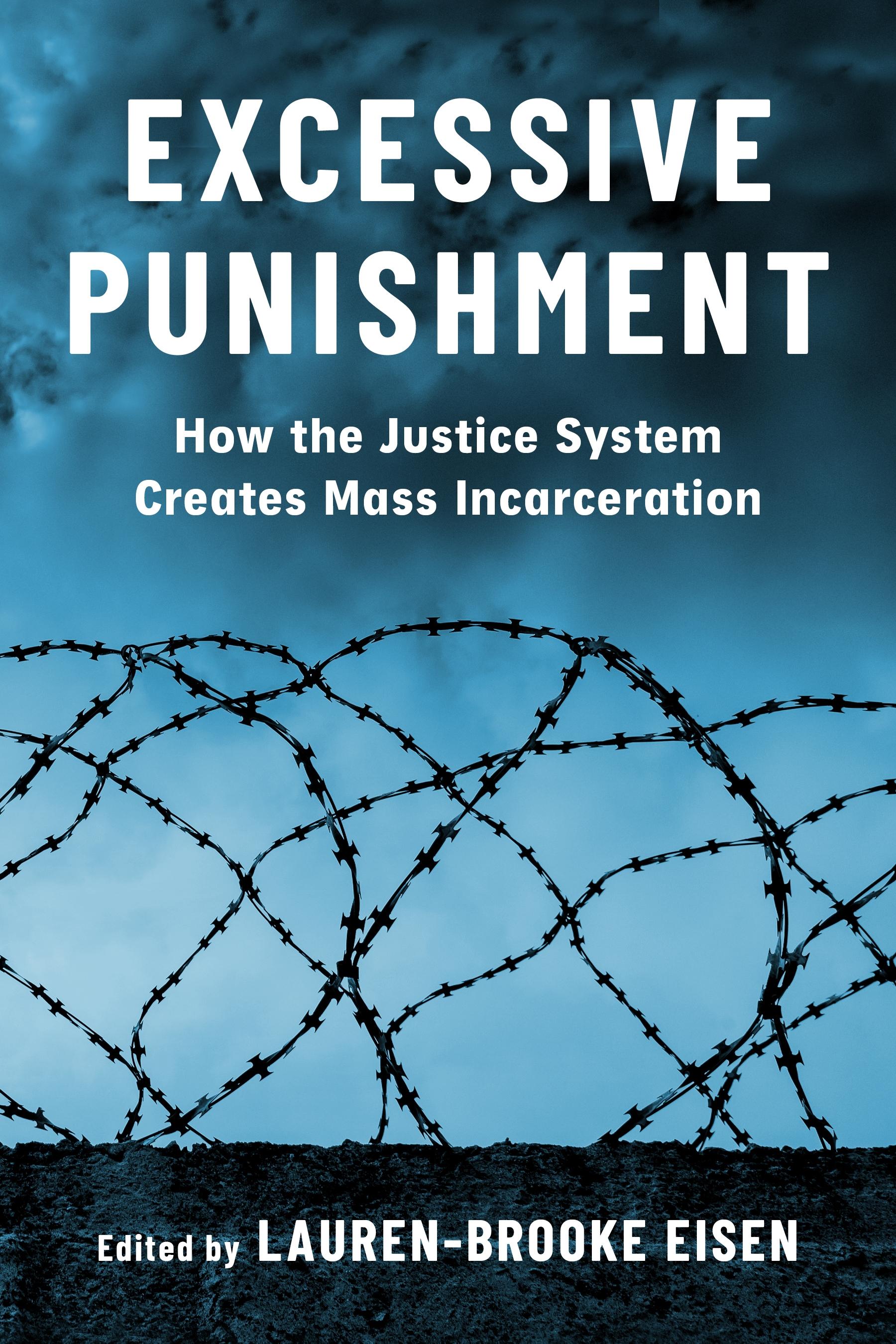
The United States has by far the world’s largest population of incarcerated people. More than a million Americans are imprisoned; hundreds of thousands more are held in jails. This vast system has doled out punishment—particularly to people from marginalized groups—on an unfathomable scale. At the same time, it has manifestly failed to secure public safety, instead perpetuating inequalities and recidivism. Why does the United States see punishment as the main response to social harm, and what are the alternatives?
This book brings together essays by scholars, practitioners, activists, and writers, including incarcerated and formerly incarcerated people, to explore the harms of this punitive approach. The chapters address a range of issues, from policing to prosecution, and from how people are treated in prison to the consequences of a criminal conviction. Together, they consider a common theme: We cannot reduce our dependence on mass incarceration until we confront our impulse to punish in ways that are excessive, often wildly disproportionate to the harm caused. Essays trace how a maze of local, state, and federal agencies have contributed to mass incarceration and deterred attempts at reform. They shed light on how the excesses of America’s criminal legal system are entwined with poverty, racism, and the legacy of slavery. A wide-ranging and powerful look at the failures of the status quo, Excessive Punishment also considers how to reimagine the justice system to support restoration instead of retribution.
Betala smidigt med kort, Klarna, Apple Pay eller Google Pay. Är du inte nöjd har du alltid 14 dagars ångerrätt. Läs mer i våra villkor. Har du några frågor, mejla oss på hello@memmo.org.
Memmo gör det enklare att plugga – var du än är i världen. Hos oss samlar du kursböcker och smarta studieverktyg på ett och samma ställe: sammanfattningar, quiz, poddar och flashcards. Och så Ted, din studiekompis som svarar på allt du undrar. Över 50 000 studenter pluggar redan här – byggt för att du ska lära dig snabbare och stressa mindre.