
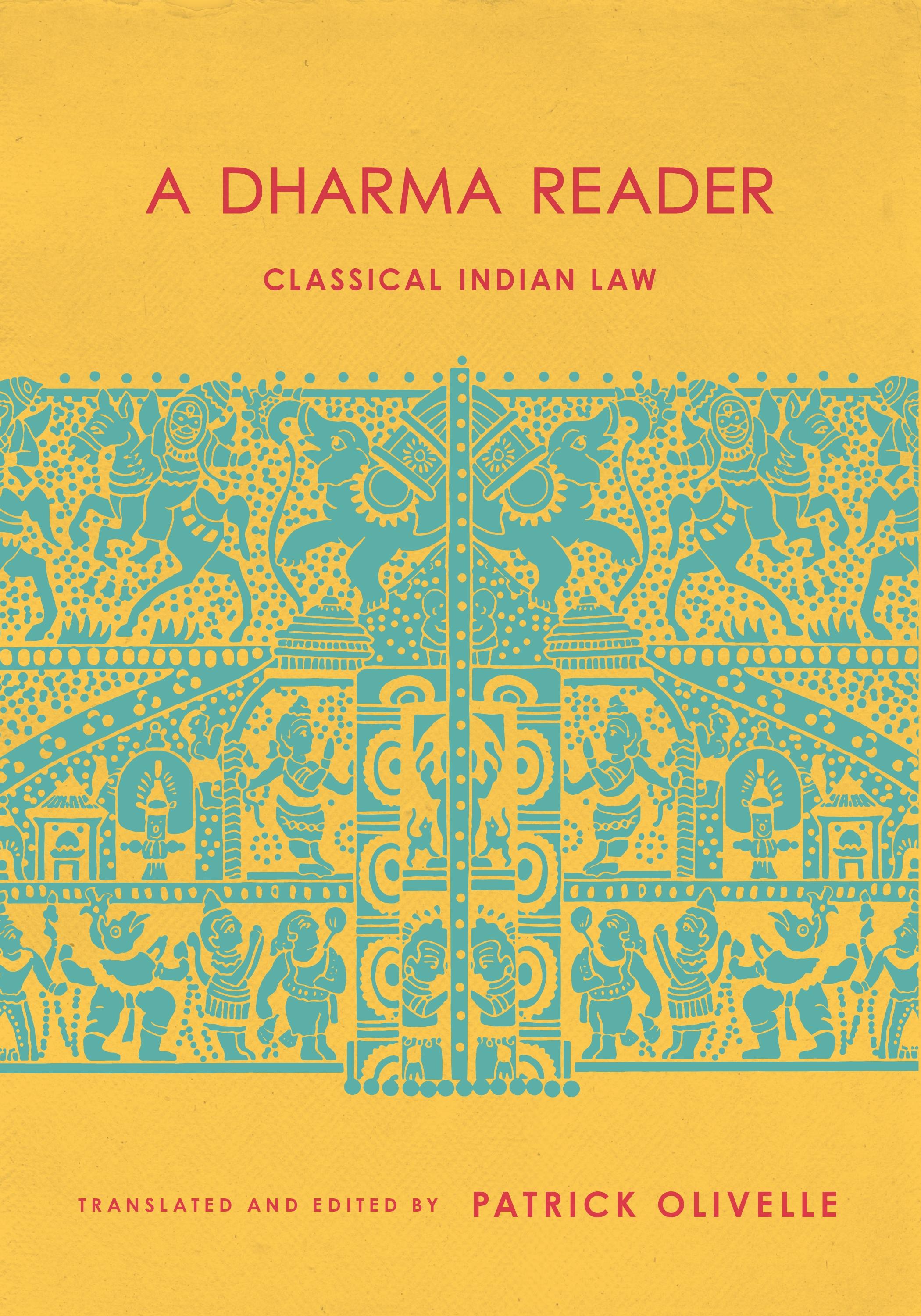
Whether defined by family, lineage, caste, professional or religious association, village, or region, India's diverse groups did settle on a concept of law in classical times. How did they reach this consensus? Was it based on religious grounds or a transcendent source of knowledge? Did it depend on time and place? And what apparatus did communities develop to ensure justice was done, verdicts were fair, and the guilty were punished?
Addressing these questions and more, A Dharma Reader traces the definition, epistemology, procedure, and process of Indian law from the third century B.C.E. to the middle ages. Its breadth captures the centuries-long struggle by Indian thinkers to theorize law in a multiethnic and pluralist society. The volume includes new and accessible translations of key texts, notes that explain the significance and chronology of selections, and a comprehensive introduction that summarizes the development of various disciplines in intellectual-historical terms. It reconstructs the principal disputes of a given discipline, which not only clarifies the arguments but also relays the dynamism of the fight. For those seeking a richer understanding of the political and intellectual origins of a major twenty-first-century power, along with unique insight into the legal interactions among its many groups, this book offers exceptional detail, historical precision, and expository illumination.
Betala smidigt med kort, Klarna, Apple Pay eller Google Pay. Är du inte nöjd har du alltid 14 dagars ångerrätt. Läs mer i våra villkor. Har du några frågor, mejla oss på hello@memmo.org.
Memmo gör det enklare att plugga – var du än är i världen. Hos oss samlar du kursböcker och smarta studieverktyg på ett och samma ställe: sammanfattningar, quiz, poddar och flashcards. Och så Ted, din studiekompis som svarar på allt du undrar. Över 50 000 studenter pluggar redan här – byggt för att du ska lära dig snabbare och stressa mindre.