
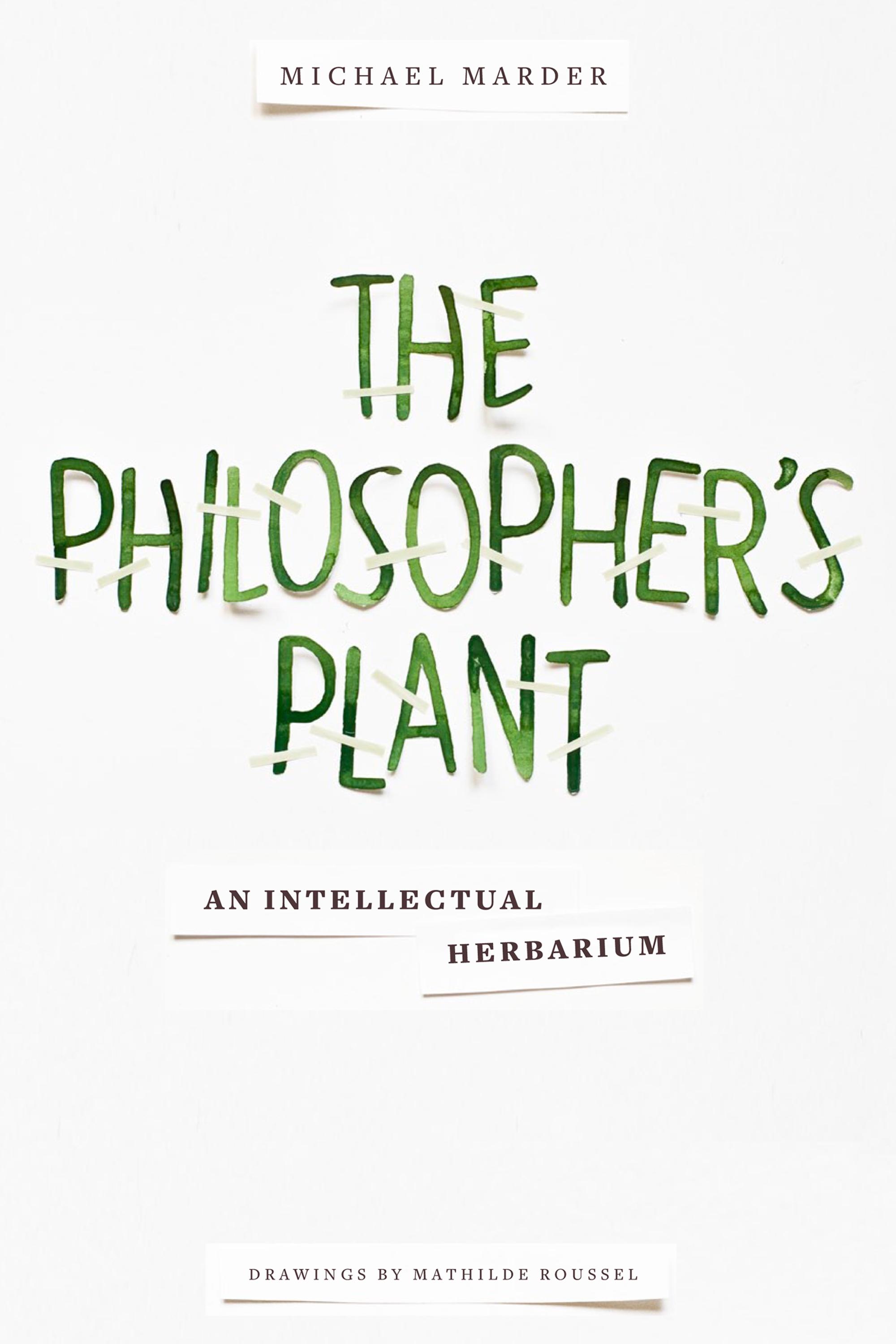
Despite their conceptual allergy to vegetal life, philosophers have used germination, growth, blossoming, fruition, reproduction, and decay as illustrations of abstract concepts; mentioned plants in passing as the natural backdrops for dialogues, letters, and other compositions; spun elaborate allegories out of flowers, trees, and even grass; and recommended appropriate medicinal, dietary, and aesthetic approaches to select species of plants.
In this book, Michael Marder illuminates the vegetal centerpieces and hidden kernels that have powered theoretical discourse for centuries. Choosing twelve botanical specimens that correspond to twelve significant philosophers, he recasts the development of philosophy through the evolution of human and plant relations. A philosophical history for the postmetaphysical age, The Philosopher's Plant reclaims the organic heritage of human thought. With the help of vegetal images, examples, and metaphors, the book clears a path through philosophy's tangled roots and dense undergrowth, opening up the discipline to all readers.
Betala smidigt med kort, Klarna, Apple Pay eller Google Pay. Är du inte nöjd har du alltid 14 dagars ångerrätt. Läs mer i våra villkor. Har du några frågor, mejla oss på hello@memmo.org.
Memmo gör det enklare att plugga – var du än är i världen. Hos oss samlar du kursböcker och smarta studieverktyg på ett och samma ställe: sammanfattningar, quiz, poddar och flashcards. Och så Ted, din studiekompis som svarar på allt du undrar. Över 50 000 studenter pluggar redan här – byggt för att du ska lära dig snabbare och stressa mindre.