
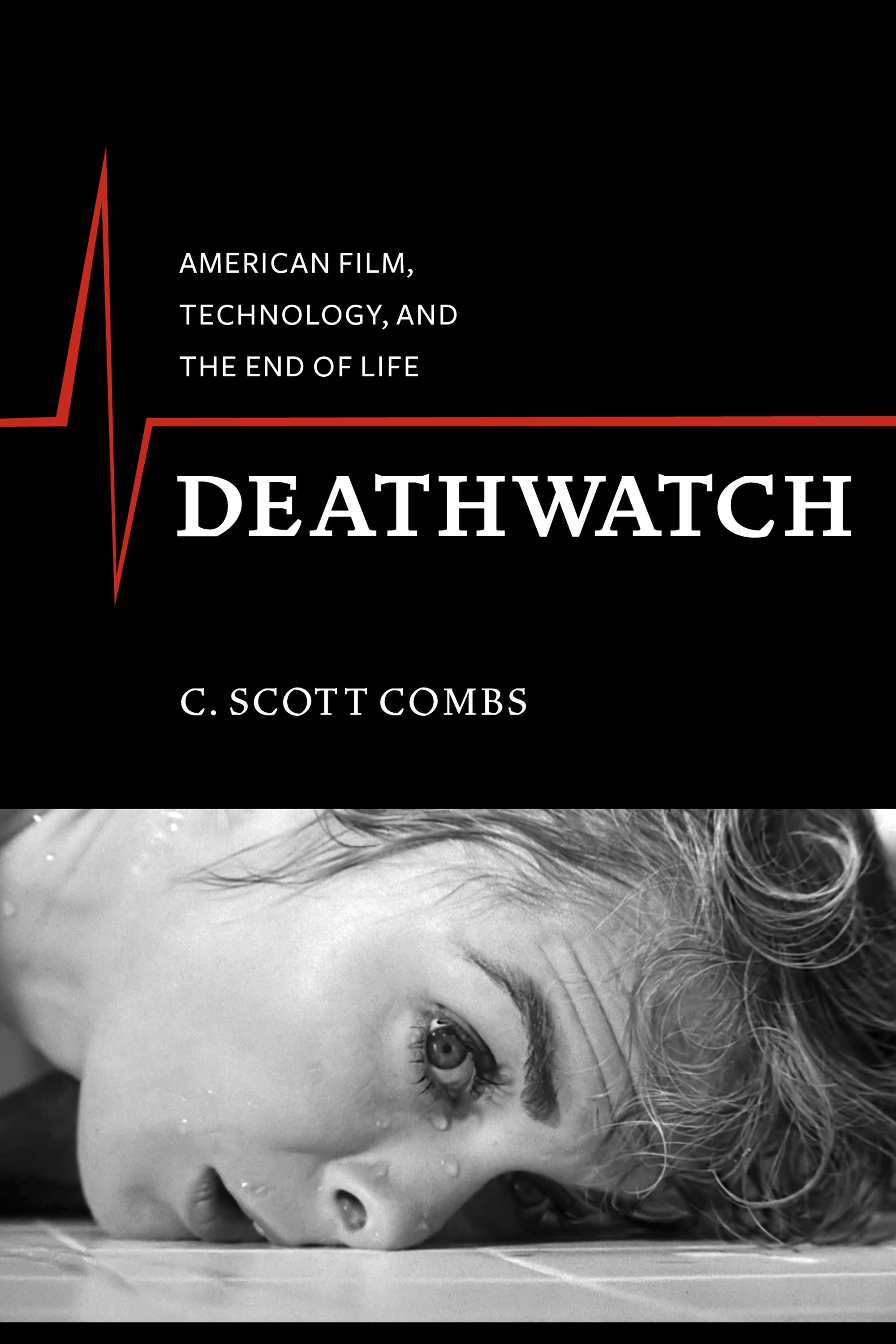
The first book to unpack American cinema's long history of representing death, this work considers movie sequences in which the process of dying becomes an exercise in legibility and exploration for the camera. Reading attractions-based cinema, narrative films, early sound cinema, and films using voiceover or images of medical technology, C. Scott Combs connects the slow or static process of dying to formal film innovation throughout the twentieth century. He looks at Thomas Edison's Electrocuting an Elephant (1903), D. W. Griffith's The Country Doctor (1909), John Ford's How Green Was My Valley (1941), Billy Wilder's Sunset Boulevard (1950), Stanley Kubrick's 2001: A Space Odyssey (1968), and Clint Eastwood's Million Dollar Baby (2004), among other films, to argue against the notion that film cannot capture the end of life because it cannot stop moving forward. Instead, he shows how the end of dying occurs more than once and in more than one place, understanding death in cinema as constantly in flux, wedged between technological precision and embodied perception.
Betala smidigt med kort, Klarna, Apple Pay eller Google Pay. Är du inte nöjd har du alltid 14 dagars ångerrätt. Läs mer i våra villkor. Har du några frågor, mejla oss på hello@memmo.org.
Memmo gör det enklare att plugga – var du än är i världen. Hos oss samlar du kursböcker och smarta studieverktyg på ett och samma ställe: sammanfattningar, quiz, poddar och flashcards. Och så Ted, din studiekompis som svarar på allt du undrar. Över 50 000 studenter pluggar redan här – byggt för att du ska lära dig snabbare och stressa mindre.
Du kanske också gillar
Köp boken0