
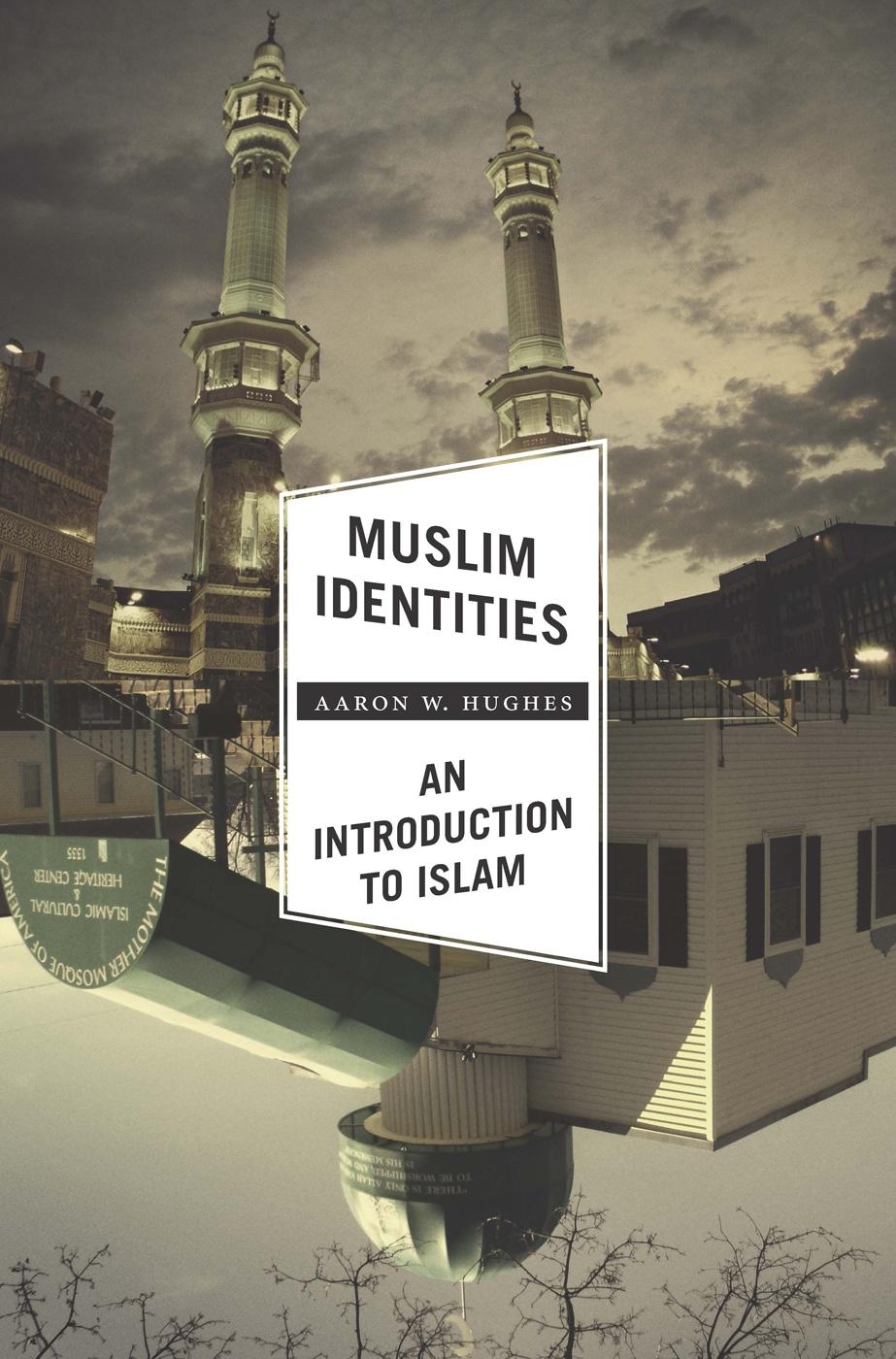
Rather than focus solely on theological concerns, this well-rounded introduction takes an expansive view of Islamic ideology, culture, and tradition, sourcing a range of historical, sociological, and literary perspectives. Neither overly critical nor apologetic, this book reflects the rich diversity of Muslim identities across the centuries and counters the unflattering, superficial portrayals of Islam that are shaping public discourse today.
Aaron W. Hughes uniquely traces the development of Islam in relation to historical, intellectual, and cultural influences, enriching his narrative with the findings, debates, and methodologies of related disciplines, such as archaeology, history, and Near Eastern studies. Hughes's work challenges the dominance of traditional terms and concepts in religious studies, recasting religion as a set of social and cultural facts imagined, manipulated, and contested by various actors and groups over time. Making extensive use of contemporary identity theory, Hughes rethinks the teaching of Islam and religions in general and helps facilitate a more critical approach to Muslim sources. For readers seeking a non-theological, unbiased, and richly human portrait of Islam, as well as a strong grasp of Islamic study's major issues and debates, this textbook is a productive, progressive alternative to more classic surveys.
Betala smidigt med kort, Klarna, Apple Pay eller Google Pay. Är du inte nöjd har du alltid 14 dagars ångerrätt. Läs mer i våra villkor. Har du några frågor, mejla oss på hello@memmo.org.
Memmo gör det enklare att plugga – var du än är i världen. Hos oss samlar du kursböcker och smarta studieverktyg på ett och samma ställe: sammanfattningar, quiz, poddar och flashcards. Och så Ted, din studiekompis som svarar på allt du undrar. Över 50 000 studenter pluggar redan här – byggt för att du ska lära dig snabbare och stressa mindre.