
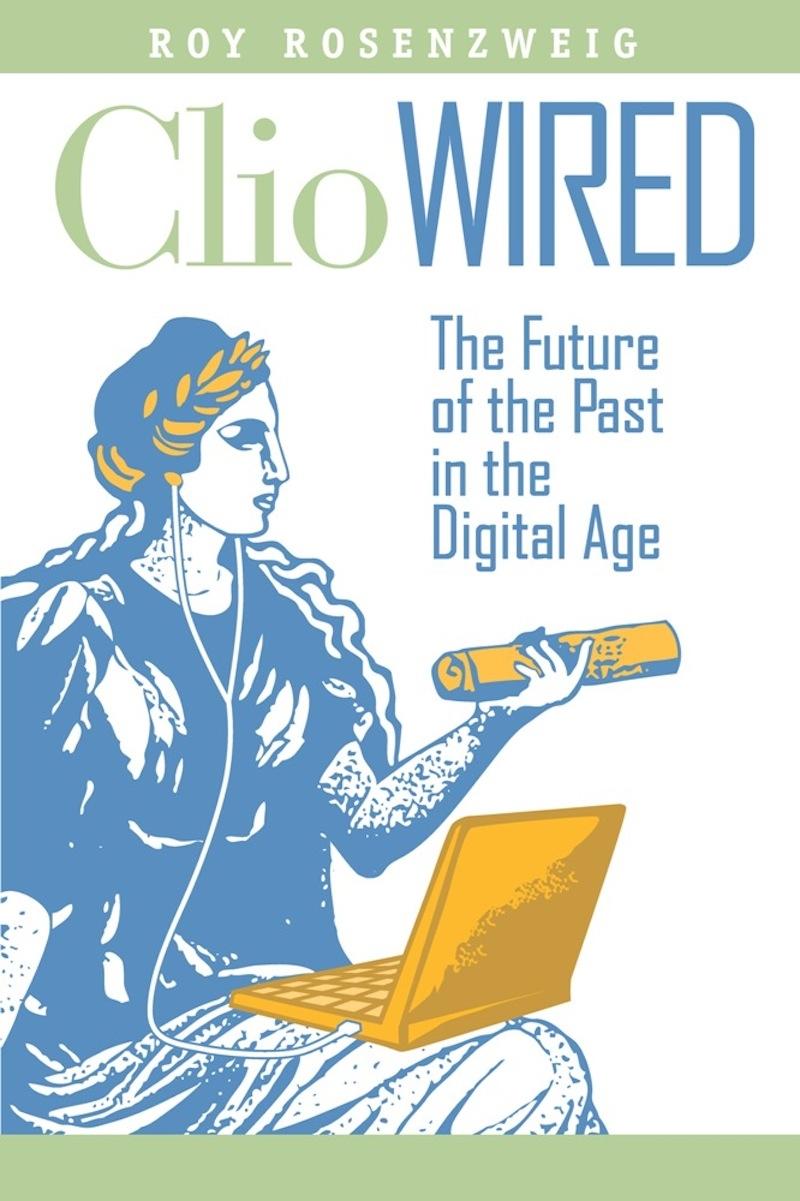
In these pathbreaking essays, Roy Rosenzweig charts the impact of new media on teaching, researching, preserving, presenting, and understanding history. Negotiating between the "cyberenthusiasts" who champion technological breakthroughs and the "digital skeptics" who fear the end of traditional humanistic scholarship, Rosenzweig re-envisions the practices and professional rites of academic historians while analyzing and advocating for the achievements of amateur historians.
While he addresses the perils of "doing history" online, Rosenzweig eloquently identifies the promises of digital work, detailing innovative strategies for powerful searches in primary and secondary sources, the increased opportunities for dialogue and debate, and, most of all, the unprecedented access afforded by the Internet. Rosenzweig draws attention to the opening up of the historical record to new voices, the availability of documents and narratives to new audiences, and the attractions of digital technologies for new and diverse practitioners. Though he celebrates digital history's democratizing influences, Rosenzweig also argues that the future of the past in this digital age can only be ensured through the active resistance to efforts by corporations to control access and profit from the Web.
Betala smidigt med kort, Klarna, Apple Pay eller Google Pay. Är du inte nöjd har du alltid 14 dagars ångerrätt. Läs mer i våra villkor. Har du några frågor, mejla oss på hello@memmo.org.
Memmo gör det enklare att plugga – var du än är i världen. Hos oss samlar du kursböcker och smarta studieverktyg på ett och samma ställe: sammanfattningar, quiz, poddar och flashcards. Och så Ted, din studiekompis som svarar på allt du undrar. Över 50 000 studenter pluggar redan här – byggt för att du ska lära dig snabbare och stressa mindre.