
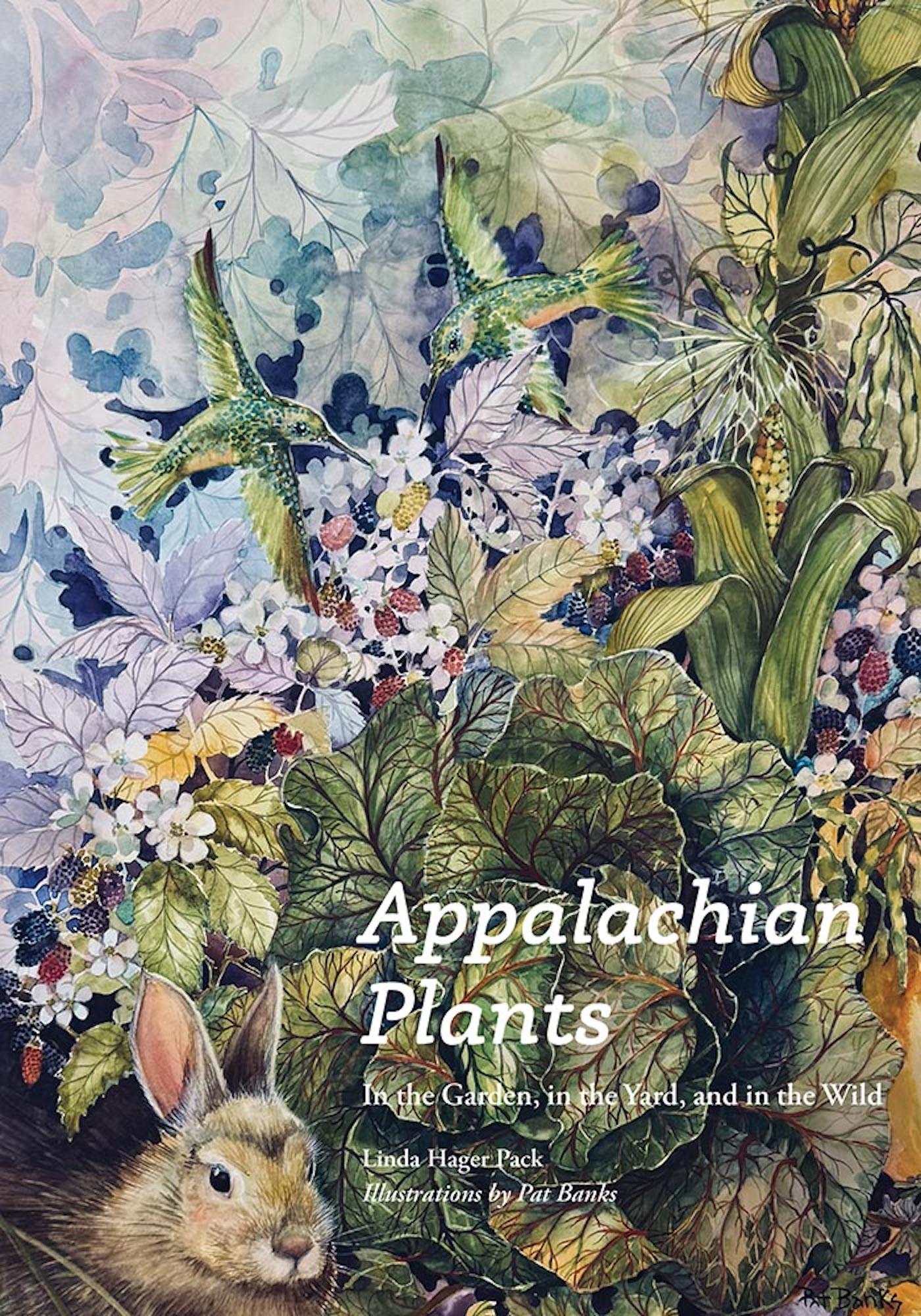
A wonderfully illustrated and accessible guide to the native plants of Appalachia.
Richly illustrated and easily accessible, Appalachian Plants draws on centuries of botanical, cultural, and spiritual connections to the land as it invites readers of all ages into the vibrant world of southern Appalachia. Featuring regional staples such as ramps, tobacco, pawpaw, mountain mint, and white pine alongside more recent horticultural additions like rhubarb, persimmons, and sugar maples, the book presents a layered portrait of Appalachian flora. While author Linda Hager Pack provides scientific names and physical characteristics of each plant, her work goes beyond botany as each entry is enlivened with Native American legends, traditional folk remedies, historic recipes, and Appalachian lore that reveal the deeply rooted significance of plants in this storied region.
The book honors the long history of plant use among the Cherokee and other indigenous peoples of Appalachia, who developed sophisticated systems of herbal medicine, seasonal harvesting, and spiritual practices. From white pine salves to pawpaw fruit tonics, their knowledge shaped generations of land stewardship and ecological understanding. Additionally, European settlers brought seeds, farming practices, and folk beliefs from their home countries as well, adapting Old World crops and customs to mountain life. Meanwhile, enslaved people, servants, and free Black men and women also contributed a wealth of agricultural knowledge and medicinal plant traditions, immeasurably influencing the evolution of Appalachian foodways and herbal practices.
This blending of traditions created a rich ethnobotanical legacy, one rooted in survival, community, and respect for the natural world. Featuring beautiful watercolor illustrations by Pat Banks and supported by instructional resources, this book serves as both a unique field guide and a cultural history of Appalachia. It invites readers to explore not just the uses of plants, but the stories they carry—across generations, geographies, and peoples—within the living landscape of Appalachia.
Płać wygodnie kartą, Klarną, Apple Pay lub Google Pay. Nie jesteś zadowolony? Zawsze masz 14-dniową gwarancję zwrotu pieniędzy. Więcej przeczytasz w naszych warunkach. Masz pytania? Napisz do nas na hello@memmo.org.
Memmo ułatwia naukę – gdziekolwiek jesteś na świecie. U nas znajdziesz podręczniki i sprytne narzędzia do nauki w jednym miejscu: streszczenia, quizy, podcasty i fiszki. A do tego Ted, Twój kumpel do nauki, który odpowie na wszystko, co Cię nurtuje. Ponad 50 000 studentów już tu się uczy – stworzone, byś uczył się szybciej i mniej stresował.