
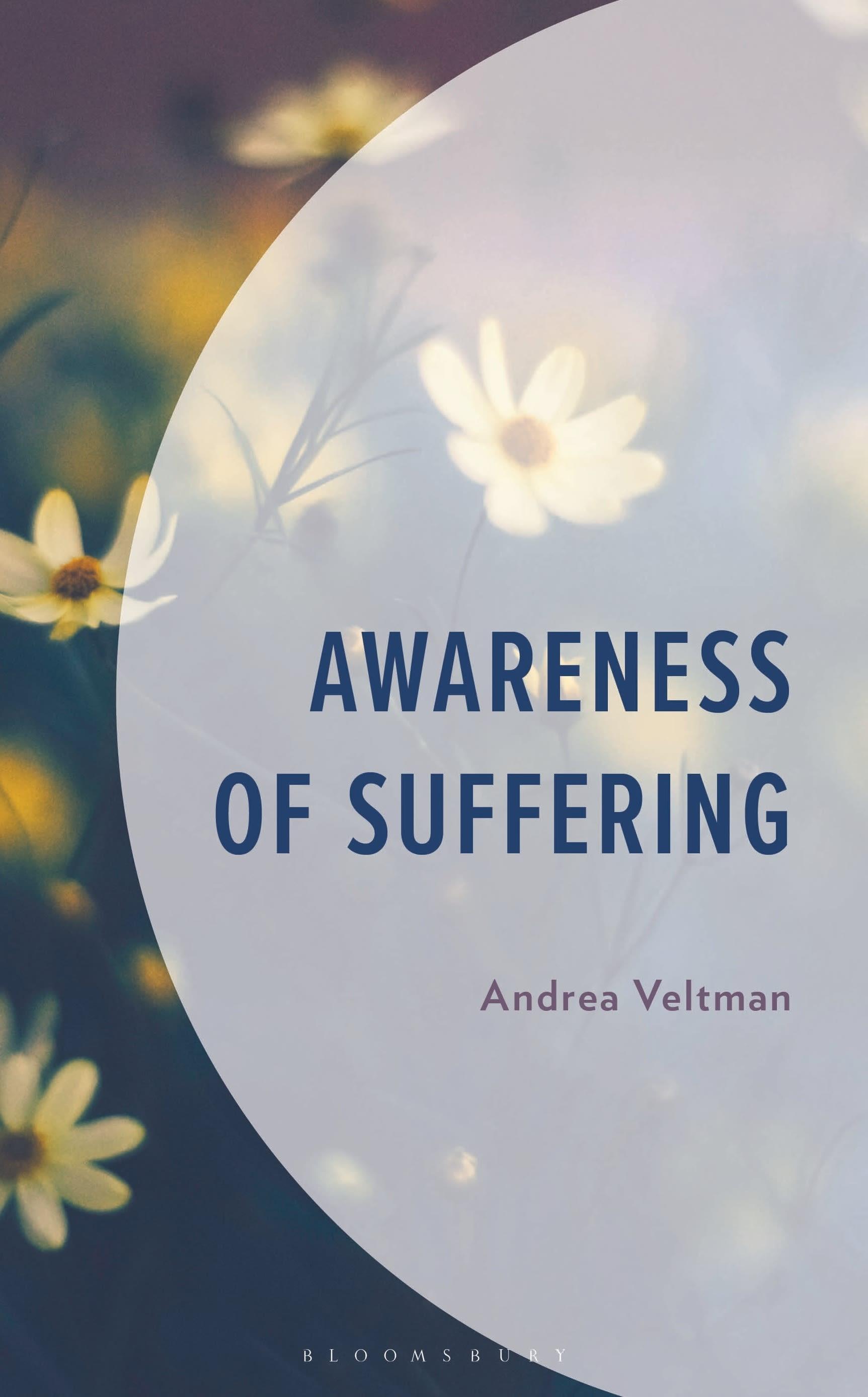
Do we have responsibilities to inform ourselves of suffering and injustice? If so, what kinds of suffering and injustice are we responsible for perceiving? What are the foundations of these responsibilities, and what does it mean to fulfill them?
This book examines these questions and argues that awareness of suffering is an essential but indeterminate moral responsibility of the mind. It is not merely an epistemic excellence or a professional activity to be left to experts, academics, journalists, or activists working to address systemic suffering; it is a moral, civic and epistemic responsibility of all people with mature, functioning minds. Cultivating awareness of suffering means exposing ourselves to a range of documentaries, news programs, narratives, and photography that bring suffering into public view. This practice of gaining awareness is foundational in a caring ethical life and in movements for social justice. It is a catalyst for moral progress, a part of responsible citizenship, and a source of knowledge that is valuable in itself. Yet awareness of suffering can be difficult, uncomfortable, saddening, and perplexing, and this book wrestles with difficulties.
It also engages with the politics of sight in arguing for a social transformation in moral perception of human and animal suffering. Awareness of suffering represents an act of epistemic resistance and a rejection of widespread willful ignorance of systemic suffering. Awareness of suffering in systems of production and consumption also encourages virtues associated with ethical consumerism, such as frugality, simplicity, and conscientiousness in consumption. It offers original comparisons between responsibilities of awareness and other moral and epistemic responsibilities, and it advances our thinking about what we owe others by highlighting how moral and civic responsibilities pertain not only to our actions but also to our own minds.
This book examines these questions and argues that awareness of suffering is an essential but indeterminate moral responsibility of the mind. It is not merely an epistemic excellence or a professional activity to be left to experts, academics, journalists, or activists working to address systemic suffering; it is a moral, civic and epistemic responsibility of all people with mature, functioning minds. Cultivating awareness of suffering means exposing ourselves to a range of documentaries, news programs, narratives, and photography that bring suffering into public view. This practice of gaining awareness is foundational in a caring ethical life and in movements for social justice. It is a catalyst for moral progress, a part of responsible citizenship, and a source of knowledge that is valuable in itself. Yet awareness of suffering can be difficult, uncomfortable, saddening, and perplexing, and this book wrestles with difficulties.
It also engages with the politics of sight in arguing for a social transformation in moral perception of human and animal suffering. Awareness of suffering represents an act of epistemic resistance and a rejection of widespread willful ignorance of systemic suffering. Awareness of suffering in systems of production and consumption also encourages virtues associated with ethical consumerism, such as frugality, simplicity, and conscientiousness in consumption. It offers original comparisons between responsibilities of awareness and other moral and epistemic responsibilities, and it advances our thinking about what we owe others by highlighting how moral and civic responsibilities pertain not only to our actions but also to our own minds.
Płać wygodnie kartą, Klarną, Apple Pay lub Google Pay. Nie jesteś zadowolony? Zawsze masz 14-dniową gwarancję zwrotu pieniędzy. Więcej przeczytasz w naszych warunkach. Masz pytania? Napisz do nas na hello@memmo.org.
Memmo ułatwia naukę – gdziekolwiek jesteś na świecie. U nas znajdziesz podręczniki i sprytne narzędzia do nauki w jednym miejscu: streszczenia, quizy, podcasty i fiszki. A do tego Ted, Twój kumpel do nauki, który odpowie na wszystko, co Cię nurtuje. Ponad 50 000 studentów już tu się uczy – stworzone, byś uczył się szybciej i mniej stresował.