
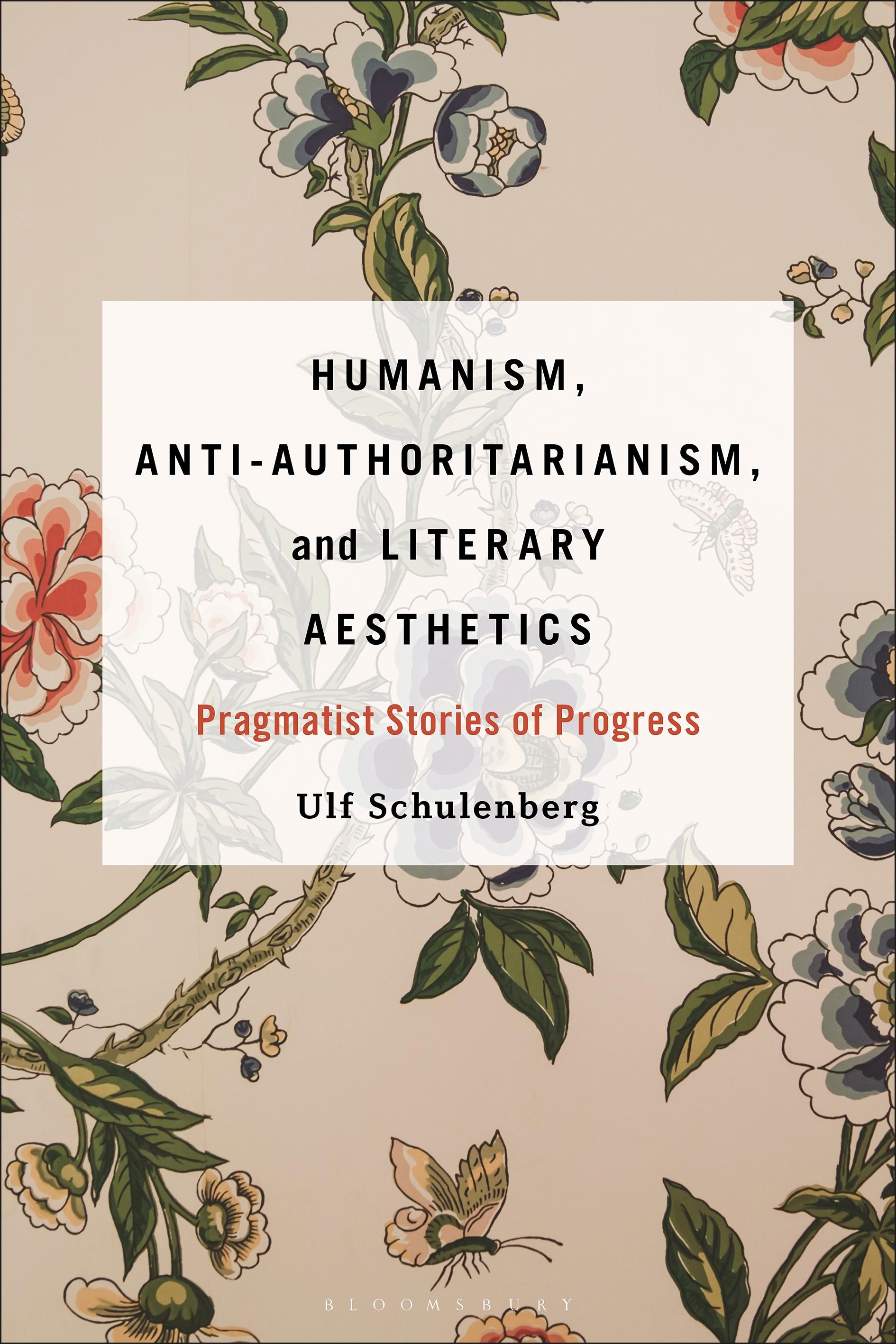
Presenting pragmatist humanism as a form of anti-authoritarianism, this book sheds light on the contemporary significance of pragmatist aesthetics and the revival of humanism.
This interdisciplinary study shows that a mediation between pragmatist aesthetics – which emphasizes the significance of creating, making, and inventing – and Marxist materialist aesthetics – which values form – promises interesting results and that the former can learn from the latter.
In doing so, Ulf Schulenberg discusses 3 layers of the multi-layered phenomenon that is the revival of humanism: He first explains the potential of a pragmatist humanism, clarifying the contemporary significance of humanism. He then argues that pragmatist humanism is a form of anti-authoritarianism. Finally, he shows the possibility of bringing together the resurgence of humanism and a renewed interest in the work of aesthetic form by arguing that pragmatist aesthetics needs a more complex conception of form.
Establishing a transatlantic theoretical dialogue, Humanism, Anti-Authoritarianism, and Literary Aesthetics brings together literary and aesthetic theory, philosophy, and intellectual history. It discusses a broad range of authors – from Emerson, Whitman, James, Nietzsche, Proust, and Dewey to Wittgenstein, Lukács, Adorno, Jameson, Latour, and Rorty – to illuminate how humanism, pragmatism, and anti-authoritarianism are interlinked.
This interdisciplinary study shows that a mediation between pragmatist aesthetics – which emphasizes the significance of creating, making, and inventing – and Marxist materialist aesthetics – which values form – promises interesting results and that the former can learn from the latter.
In doing so, Ulf Schulenberg discusses 3 layers of the multi-layered phenomenon that is the revival of humanism: He first explains the potential of a pragmatist humanism, clarifying the contemporary significance of humanism. He then argues that pragmatist humanism is a form of anti-authoritarianism. Finally, he shows the possibility of bringing together the resurgence of humanism and a renewed interest in the work of aesthetic form by arguing that pragmatist aesthetics needs a more complex conception of form.
Establishing a transatlantic theoretical dialogue, Humanism, Anti-Authoritarianism, and Literary Aesthetics brings together literary and aesthetic theory, philosophy, and intellectual history. It discusses a broad range of authors – from Emerson, Whitman, James, Nietzsche, Proust, and Dewey to Wittgenstein, Lukács, Adorno, Jameson, Latour, and Rorty – to illuminate how humanism, pragmatism, and anti-authoritarianism are interlinked.
Płać wygodnie kartą, Klarną, Apple Pay lub Google Pay. Nie jesteś zadowolony? Zawsze masz 14-dniową gwarancję zwrotu pieniędzy. Więcej przeczytasz w naszych warunkach. Masz pytania? Napisz do nas na hello@memmo.org.
Memmo ułatwia naukę – gdziekolwiek jesteś na świecie. U nas znajdziesz podręczniki i sprytne narzędzia do nauki w jednym miejscu: streszczenia, quizy, podcasty i fiszki. A do tego Ted, Twój kumpel do nauki, który odpowie na wszystko, co Cię nurtuje. Ponad 50 000 studentów już tu się uczy – stworzone, byś uczył się szybciej i mniej stresował.