
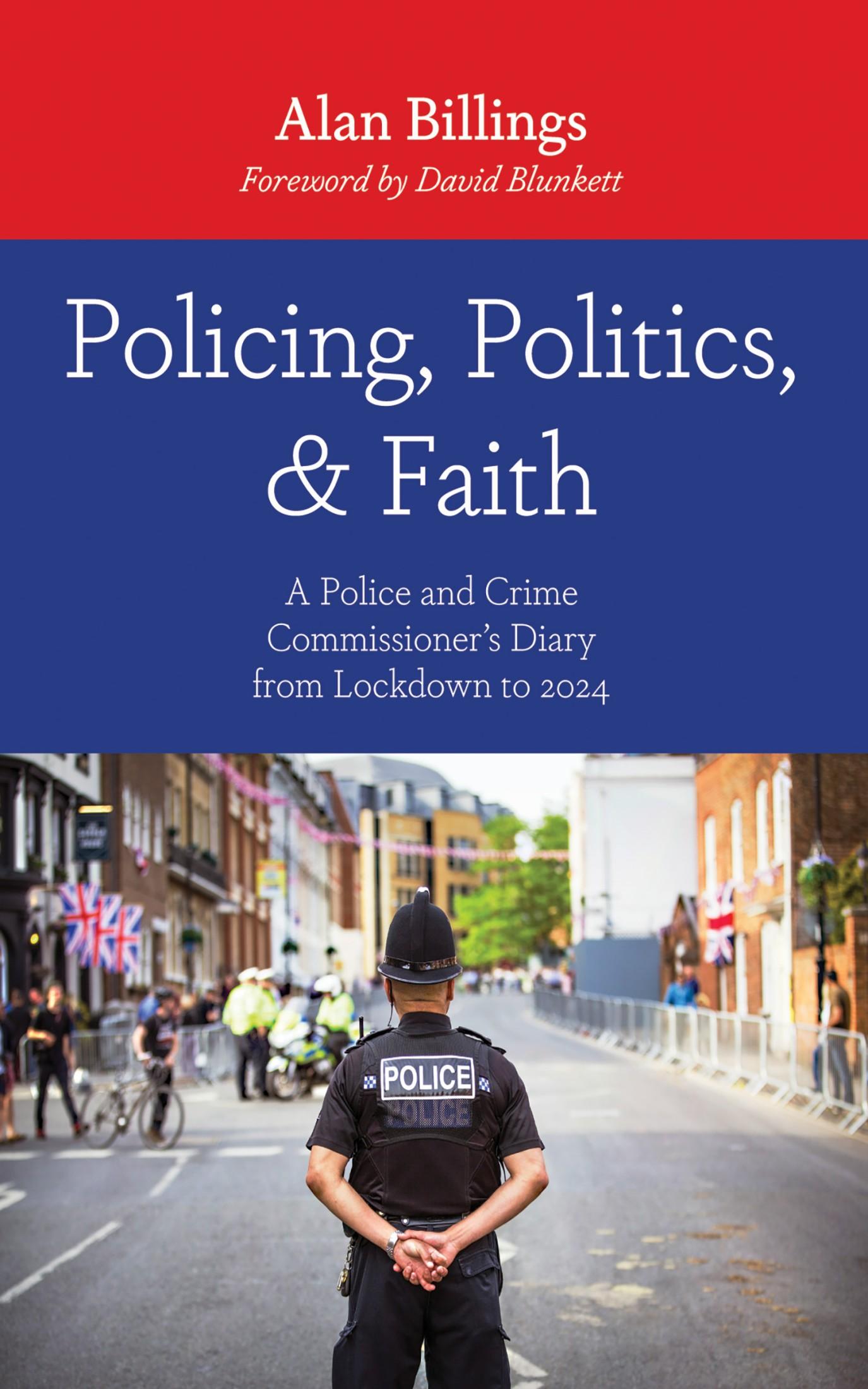
As the elected police and crime commissioner for South Yorkshire, Alan Billings was in a unique position to witness how the criminal justice system worked for victims of crime.
When Covid struck and the country went into lockdown, he began to publish a weekly diary chronicling how the police struggled to understand fast-changing government instructions and enforce the law without losing public trust. He saw the impact of the pandemic on crime and its victims and all criminal justice agencies.
As a new normality emerged, he reflected on a range of contemporary issues: the murder by a serving police officer of Sarah Everard, why police cannot admit to institutional failings, the persistence of knife crime, why stop and search matters, the growing understanding of domestic abuse, what the street protests for Palestine signify, the Orgreave Truth and Justice Campaign, the proliferation of shoplifting and antisocial behavior, and the role of chaplaincy. He took an interest in “what works” and why the public often persists in wanting “what doesn’t work.”
These diary entries will be of interest to all who are curious to know about the way police and politicians interact and to have their thinking on crime, policing, and justice challenged.
When Covid struck and the country went into lockdown, he began to publish a weekly diary chronicling how the police struggled to understand fast-changing government instructions and enforce the law without losing public trust. He saw the impact of the pandemic on crime and its victims and all criminal justice agencies.
As a new normality emerged, he reflected on a range of contemporary issues: the murder by a serving police officer of Sarah Everard, why police cannot admit to institutional failings, the persistence of knife crime, why stop and search matters, the growing understanding of domestic abuse, what the street protests for Palestine signify, the Orgreave Truth and Justice Campaign, the proliferation of shoplifting and antisocial behavior, and the role of chaplaincy. He took an interest in “what works” and why the public often persists in wanting “what doesn’t work.”
These diary entries will be of interest to all who are curious to know about the way police and politicians interact and to have their thinking on crime, policing, and justice challenged.
Płać wygodnie kartą, Klarną, Apple Pay lub Google Pay. Nie jesteś zadowolony? Zawsze masz 14-dniową gwarancję zwrotu pieniędzy. Więcej przeczytasz w naszych warunkach. Masz pytania? Napisz do nas na hello@memmo.org.
Memmo ułatwia naukę – gdziekolwiek jesteś na świecie. U nas znajdziesz podręczniki i sprytne narzędzia do nauki w jednym miejscu: streszczenia, quizy, podcasty i fiszki. A do tego Ted, Twój kumpel do nauki, który odpowie na wszystko, co Cię nurtuje. Ponad 50 000 studentów już tu się uczy – stworzone, byś uczył się szybciej i mniej stresował.
Może Ci się spodobać
Kup książkę0