
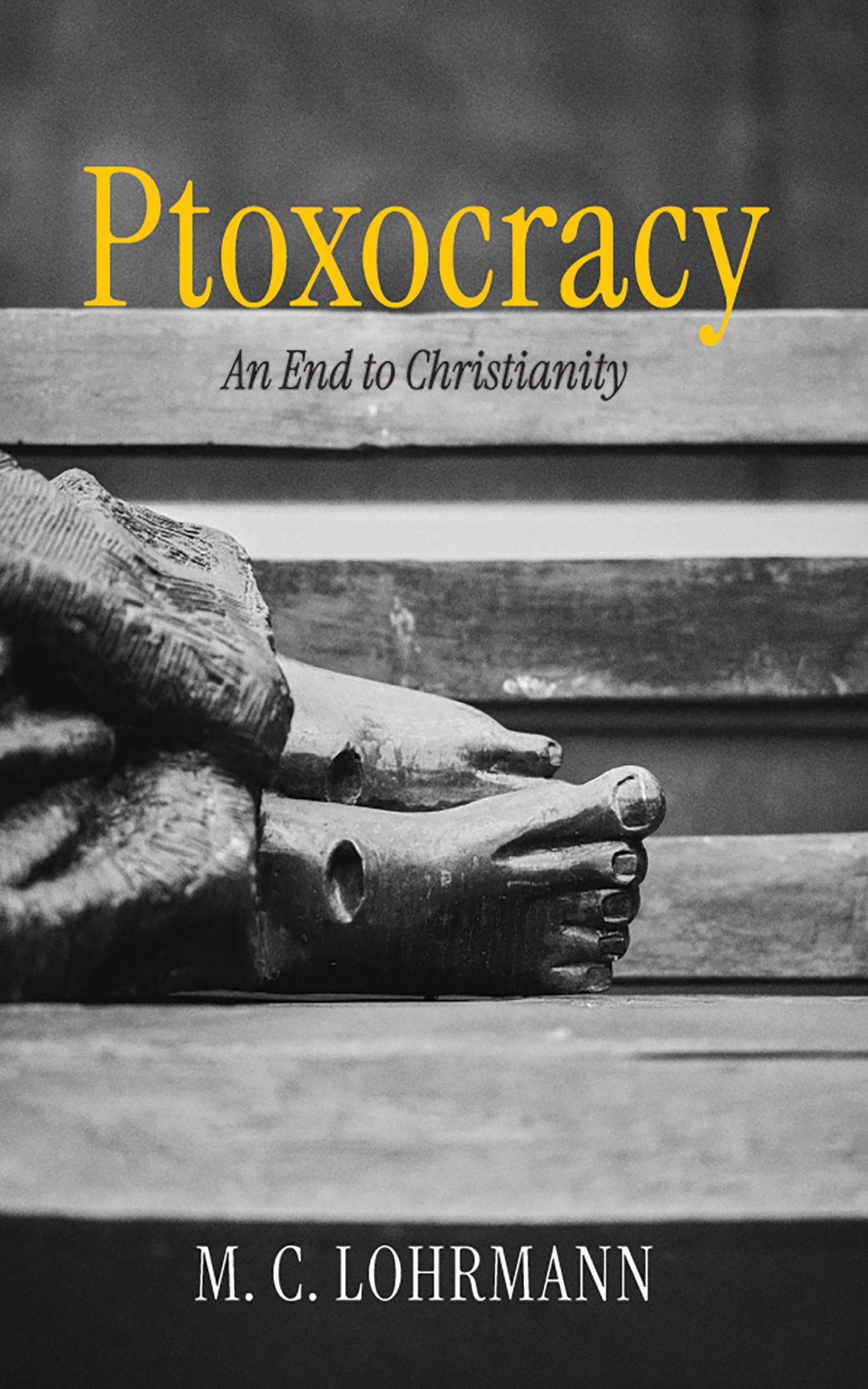
"The call of the church is ptoxocracy, either as a witness and practitioner or as its ideal standard-bearer in the world."
To have a meaningful stake in the lives of the poor, argues M. C. Lohrmann, would change the ways in which governance of all types--national or local municipalities, denominations, religious judicatories, and non-profit boards--determines its focus.
Lohrmann defines ptoxocracy (derived from the Greek ptoxoi, the poorest of the poor) as "governance by the materially poor; a hybrid form of representative democracy whereby only persons of the lowest economic status are eligible for elected public office." This model, he contends, allows us to step back from the coupling of wealth and power created by myths of meritocracy and a rich ruling class to envision a system that works for the good of the whole.
Looking to Scripture, Lohrmann follows the through-line of God's blessing of the poor in both the Hebrew and Christian canons. How might the kingdom of God appear if God's preferential option for the poor became the lens through which we organized our lives together?
Płać wygodnie kartą, Klarną, Apple Pay lub Google Pay. Nie jesteś zadowolony? Zawsze masz 14-dniową gwarancję zwrotu pieniędzy. Więcej przeczytasz w naszych warunkach. Masz pytania? Napisz do nas na hello@memmo.org.
Memmo ułatwia naukę – gdziekolwiek jesteś na świecie. U nas znajdziesz podręczniki i sprytne narzędzia do nauki w jednym miejscu: streszczenia, quizy, podcasty i fiszki. A do tego Ted, Twój kumpel do nauki, który odpowie na wszystko, co Cię nurtuje. Ponad 50 000 studentów już tu się uczy – stworzone, byś uczył się szybciej i mniej stresował.
Może Ci się spodobać
Kup książkę0