
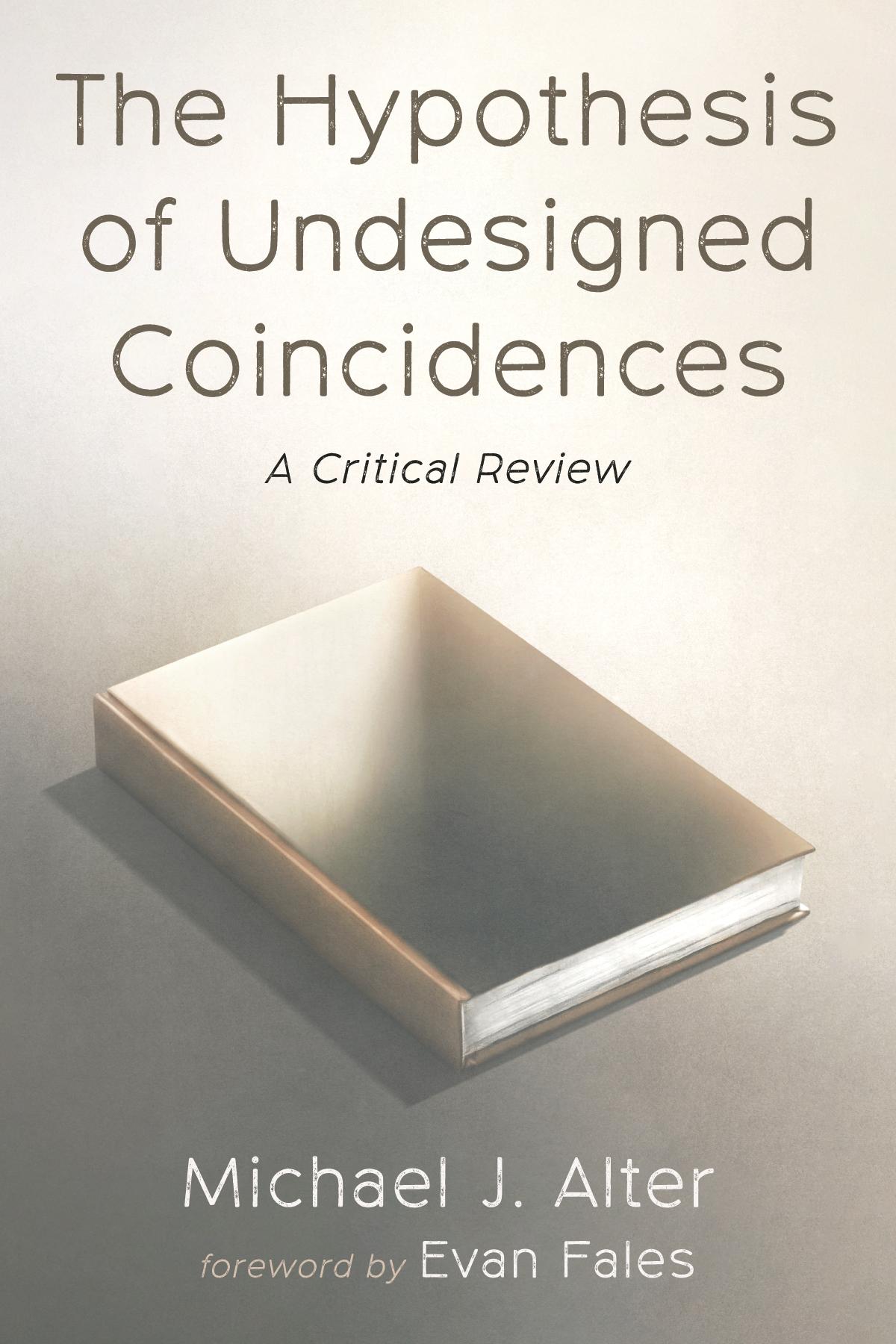
The hypothesis of Undesigned Coincidences was first proposed by William Paley (1743-1805) and later popularized by J. J. Blunt (1794-1855). More recently, Lydia and Timothy McGrew have revived this hypothesis. McGrew defines an undesigned coincidence as "a significant connection between two or more accounts or texts that does not appear to have been planned by the individuals providing the accounts. Despite their apparent independence, the elements fit together like pieces of a puzzle." Advocates use undesigned coincidences to argue that the Gospels are a compilation of independent and reliable sources. However, these advocates do not engage with biblical criticism and overlook relevant research on coincidences and casualness. The feeding of the five thousand is a prominent example discussed by proponents, who point to details such as the green grass, the location of Bethsaida, and the question posed by Jesus to Philip. These episodes are thoroughly reviewed and analyzed in The Hypothesis of Undesigned Coincidences.
Płać wygodnie kartą, Klarną, Apple Pay lub Google Pay. Nie jesteś zadowolony? Zawsze masz 14-dniową gwarancję zwrotu pieniędzy. Więcej przeczytasz w naszych warunkach. Masz pytania? Napisz do nas na hello@memmo.org.
Memmo ułatwia naukę – gdziekolwiek jesteś na świecie. U nas znajdziesz podręczniki i sprytne narzędzia do nauki w jednym miejscu: streszczenia, quizy, podcasty i fiszki. A do tego Ted, Twój kumpel do nauki, który odpowie na wszystko, co Cię nurtuje. Ponad 50 000 studentów już tu się uczy – stworzone, byś uczył się szybciej i mniej stresował.
Może Ci się spodobać
Kup książkę0