
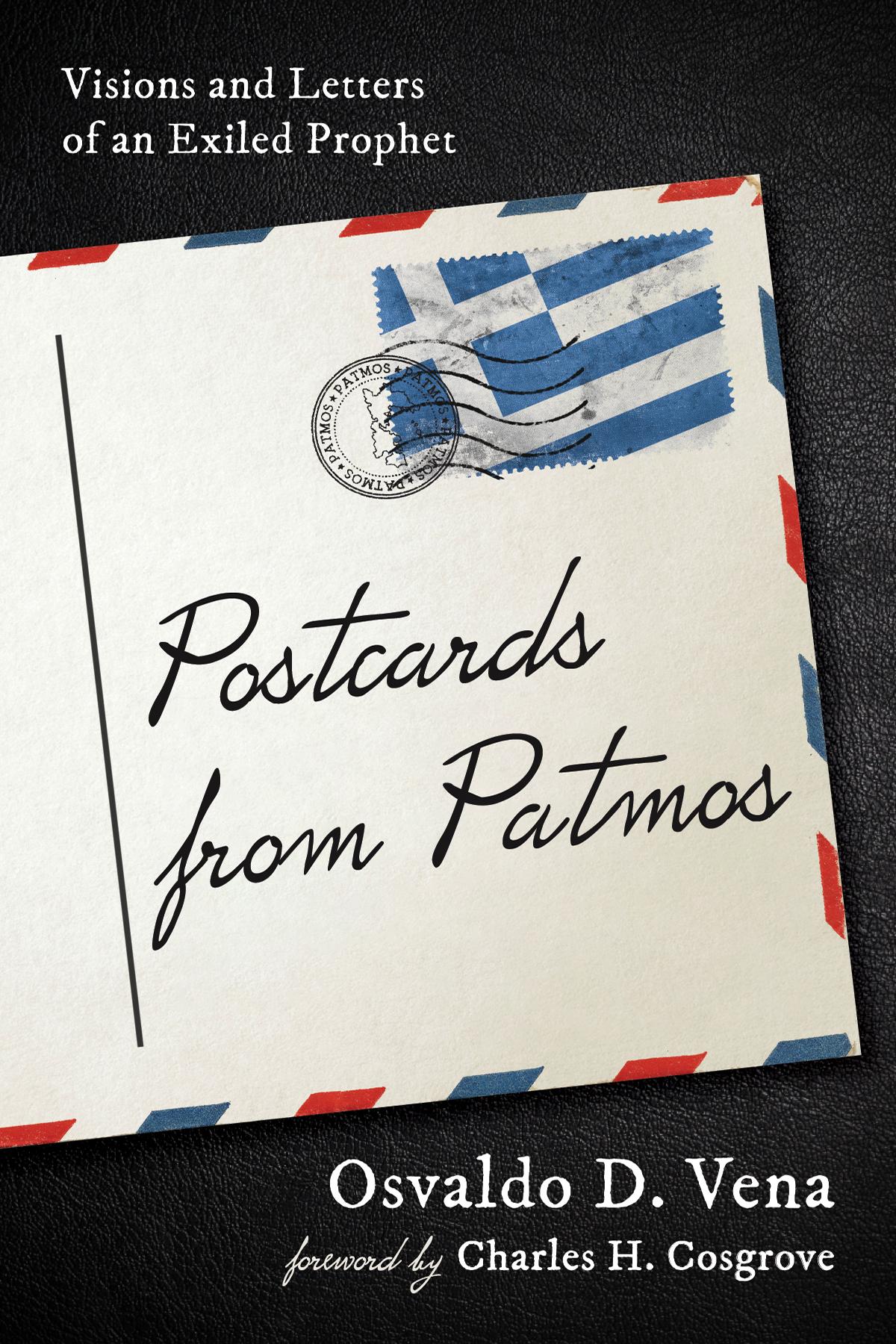
In this work, a fictionalized John is addressing a contemporary audience directly, as if they were the original recipients of the book. Unlike the author's two previous books, which were historical fictions, this one does not include fictional elements. It does not dwell on possible scenarios advanced by information found in the text, like the trip to Spain in the case of Paul. Rather, it aims at providing the audience with some additional historical information so they can have a better understanding of the place and time in which John wrote. The reader will notice, for example, that instead of using inclusive language, which would be anachronistic, John uses male language to address God. The author also explores, fictionally, John's feelings, to allow the readers to imagine how he might have felt in the troubled times he lived in.
Płać wygodnie kartą, Klarną, Apple Pay lub Google Pay. Nie jesteś zadowolony? Zawsze masz 14-dniową gwarancję zwrotu pieniędzy. Więcej przeczytasz w naszych warunkach. Masz pytania? Napisz do nas na hello@memmo.org.
Memmo ułatwia naukę – gdziekolwiek jesteś na świecie. U nas znajdziesz podręczniki i sprytne narzędzia do nauki w jednym miejscu: streszczenia, quizy, podcasty i fiszki. A do tego Ted, Twój kumpel do nauki, który odpowie na wszystko, co Cię nurtuje. Ponad 50 000 studentów już tu się uczy – stworzone, byś uczył się szybciej i mniej stresował.
Może Ci się spodobać
Kup książkę0