
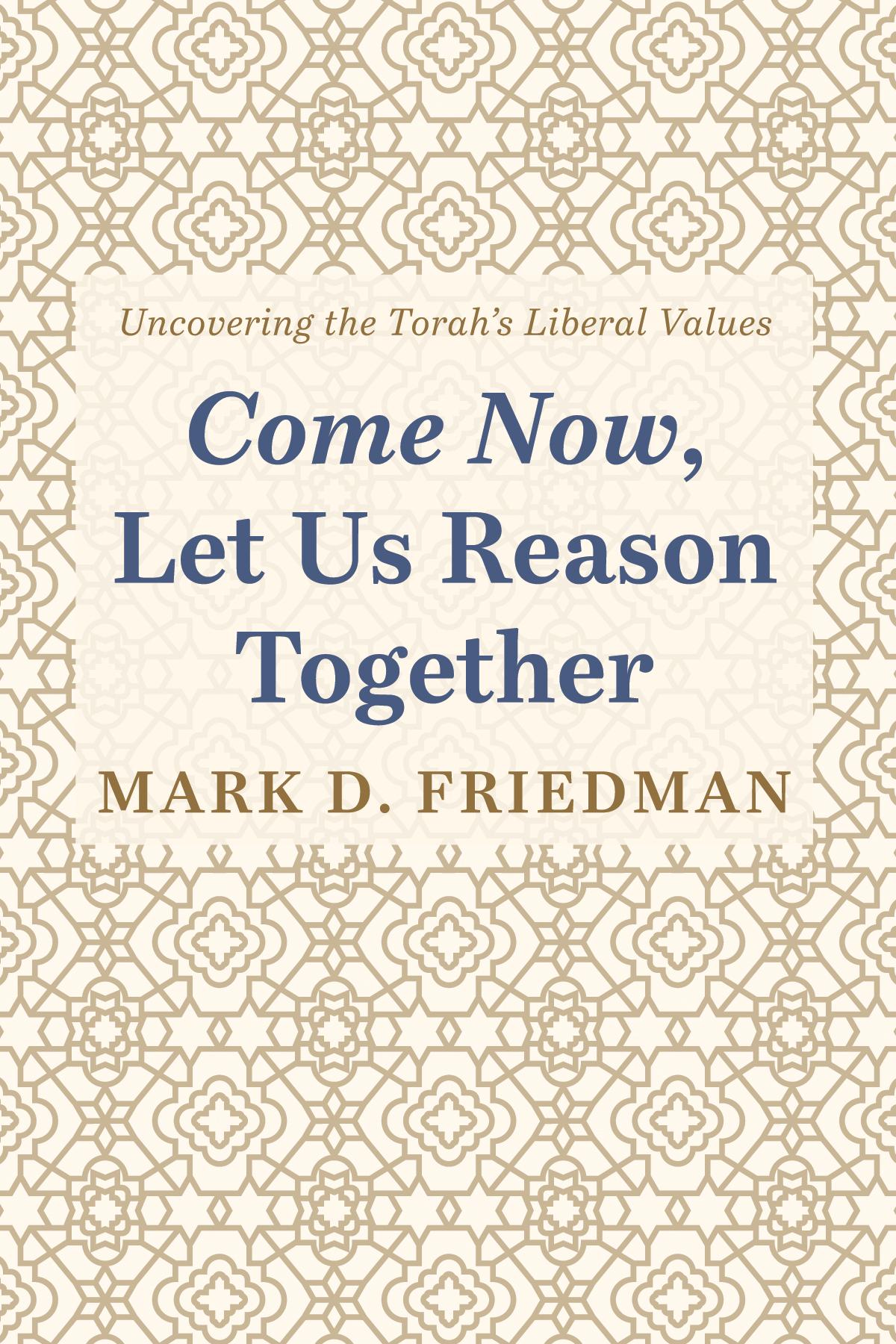
This volume seeks to correct a widespread fundamental misconception about Judaism. Because the ultra-Orthodox follow ancient Jewish traditions and strictly adhere to halakhah (Jewish law), it is commonly believed that the repressive, rigidly hierarchical norms and social institutions that characterize their communities represent authentic Judaism. This view is profoundly mistaken. Judaism's true values are only ascertainable from its canonical books and in the discourse of the rabbis who "reinvented" Judaism after the destruction of the Second Temple in 70 CE, substituting prayer and textual study for temple sacrifice.
The rabbis' legal debates, biblical interpretations, and fanciful stories are recorded in the Talmud and other classic sources, and show that these religious leaders firmly reject dogmatism, and embrace controversy, dissent, pluralism, moral autonomy, tolerance and, when required by changing social conditions, radical innovation. The Hebrew Bible is itself rife with intertextual disputes regarding crucial theological questions that preclude pat answers regarding what Judaism "says" or "means." It seems that God has given us wide latitude to think for ourselves. As argued in this study, the Torah does not provide us with the ultimate truth, but gives us the best and surest means of obtaining it.
Płać wygodnie kartą, Klarną, Apple Pay lub Google Pay. Nie jesteś zadowolony? Zawsze masz 14-dniową gwarancję zwrotu pieniędzy. Więcej przeczytasz w naszych warunkach. Masz pytania? Napisz do nas na hello@memmo.org.
Memmo ułatwia naukę – gdziekolwiek jesteś na świecie. U nas znajdziesz podręczniki i sprytne narzędzia do nauki w jednym miejscu: streszczenia, quizy, podcasty i fiszki. A do tego Ted, Twój kumpel do nauki, który odpowie na wszystko, co Cię nurtuje. Ponad 50 000 studentów już tu się uczy – stworzone, byś uczył się szybciej i mniej stresował.
Może Ci się spodobać
Kup książkę0