
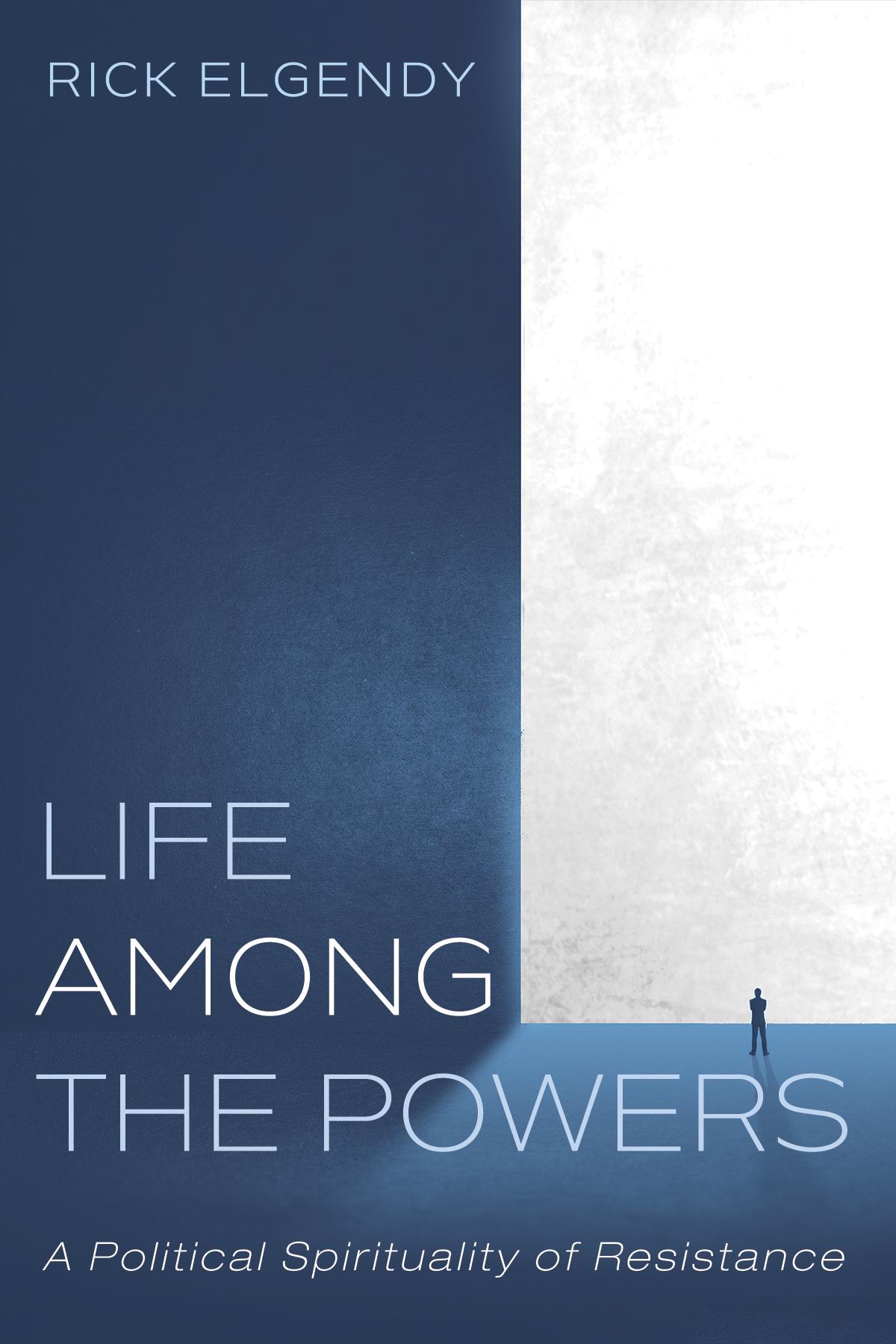
Many Christians have come to see that they live in a world marked by structural problems--legacies of racial injustice, climate change, constraining forms of gender and sexuality, to name just a few. A faithful response to these problems calls for ethical and political witness, and theologians have used the New Testament language describing the "principalities and powers" to provide just that: a picture of faith in which Christ redeems humanity from structures of power. This tradition, though, sometimes offers the hope of an "outside," ways of living in which we can be no longer complicit with the powers. This book pushes this conversation further, seeking a theological understanding--and the spirituality that lives within it--of how we are implicated in such structures, what we are called to do to resist their harms, and who we might still become. Along the way, it reads together unlikely fellow-travelers Karl Barth and Michel Foucault to argue that while our complicity with the powers is inescapable, we can still live meaningfully different, movingly faithful lives that challenge the forms of the world that we believe are passing away.
Płać wygodnie kartą, Klarną, Apple Pay lub Google Pay. Nie jesteś zadowolony? Zawsze masz 14-dniową gwarancję zwrotu pieniędzy. Więcej przeczytasz w naszych warunkach. Masz pytania? Napisz do nas na hello@memmo.org.
Memmo ułatwia naukę – gdziekolwiek jesteś na świecie. U nas znajdziesz podręczniki i sprytne narzędzia do nauki w jednym miejscu: streszczenia, quizy, podcasty i fiszki. A do tego Ted, Twój kumpel do nauki, który odpowie na wszystko, co Cię nurtuje. Ponad 50 000 studentów już tu się uczy – stworzone, byś uczył się szybciej i mniej stresował.
Może Ci się spodobać
Kup książkę0