
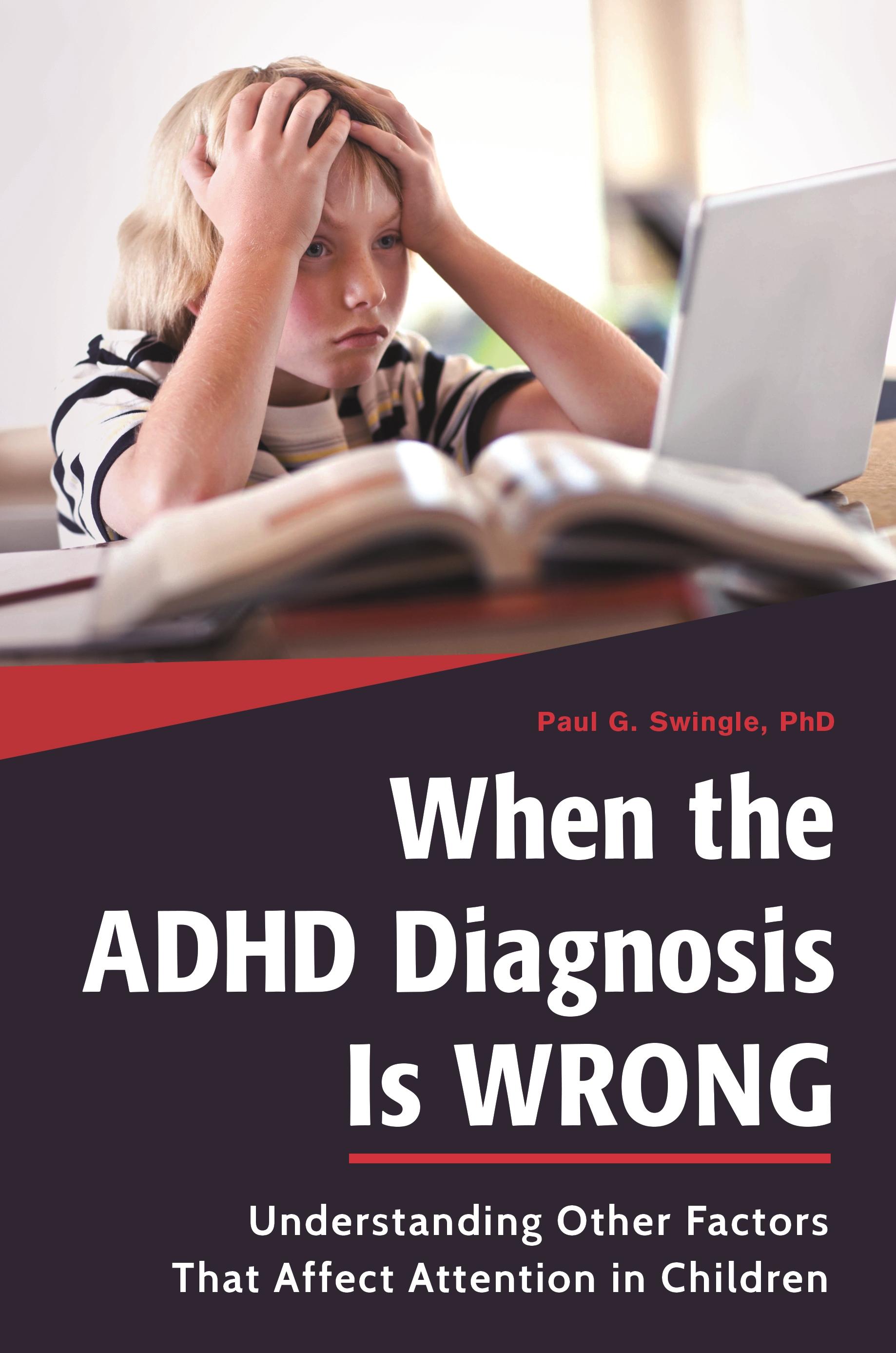
A game-changing resource for parents caught in the labyrinth of the promoted treatments heralding help for troubled children and their families, this book provides readers invaluable guidance in seeking accurate diagnosis and scientifically verified treatment options.
Attention Deficit Hyperactivity Disorder (ADHD) in children is real and can be severely disabling. However, most causes of children's attention problems are unrelated to ADHD and are not resolvable by drugging the child. Treating symptoms is simply not adequate; a completely different approach to the diagnoses and treatment of attention problems in children is necessary. This book identifies the many neurological patterns associated with children's attention challenges, explains the many psychological and physical factors that can affect attention, and describes how to determine if your child needs not medication but other approaches—such as psychological guidance, diet changes, or simply time to develop past childhood—to solve the problem.
Paul G. Swingle, PhD, RPsych, provides millions of parents who are desperate for scientifically sound information about how to help their children with conditions that are negatively impacting their learning, development, and happiness with a resource that is precise, definitive, and easy to read. Illustrated with examples from across his 30 years of practice, Swingle's book informs readers about the many factors that can affect children's attention and can often be treated with drugless approaches and therapy for success. Parents will understand how intolerance of what constitutes normal children's behavior and the failure to recognize the emotional challenges that many children have in our culture today constitute causative factors in the misdiagnosis of attention deficit disorders.
Attention Deficit Hyperactivity Disorder (ADHD) in children is real and can be severely disabling. However, most causes of children's attention problems are unrelated to ADHD and are not resolvable by drugging the child. Treating symptoms is simply not adequate; a completely different approach to the diagnoses and treatment of attention problems in children is necessary. This book identifies the many neurological patterns associated with children's attention challenges, explains the many psychological and physical factors that can affect attention, and describes how to determine if your child needs not medication but other approaches—such as psychological guidance, diet changes, or simply time to develop past childhood—to solve the problem.
Paul G. Swingle, PhD, RPsych, provides millions of parents who are desperate for scientifically sound information about how to help their children with conditions that are negatively impacting their learning, development, and happiness with a resource that is precise, definitive, and easy to read. Illustrated with examples from across his 30 years of practice, Swingle's book informs readers about the many factors that can affect children's attention and can often be treated with drugless approaches and therapy for success. Parents will understand how intolerance of what constitutes normal children's behavior and the failure to recognize the emotional challenges that many children have in our culture today constitute causative factors in the misdiagnosis of attention deficit disorders.
Płać wygodnie kartą, Klarną, Apple Pay lub Google Pay. Nie jesteś zadowolony? Zawsze masz 14-dniową gwarancję zwrotu pieniędzy. Więcej przeczytasz w naszych warunkach. Masz pytania? Napisz do nas na hello@memmo.org.
Memmo ułatwia naukę – gdziekolwiek jesteś na świecie. U nas znajdziesz podręczniki i sprytne narzędzia do nauki w jednym miejscu: streszczenia, quizy, podcasty i fiszki. A do tego Ted, Twój kumpel do nauki, który odpowie na wszystko, co Cię nurtuje. Ponad 50 000 studentów już tu się uczy – stworzone, byś uczył się szybciej i mniej stresował.