
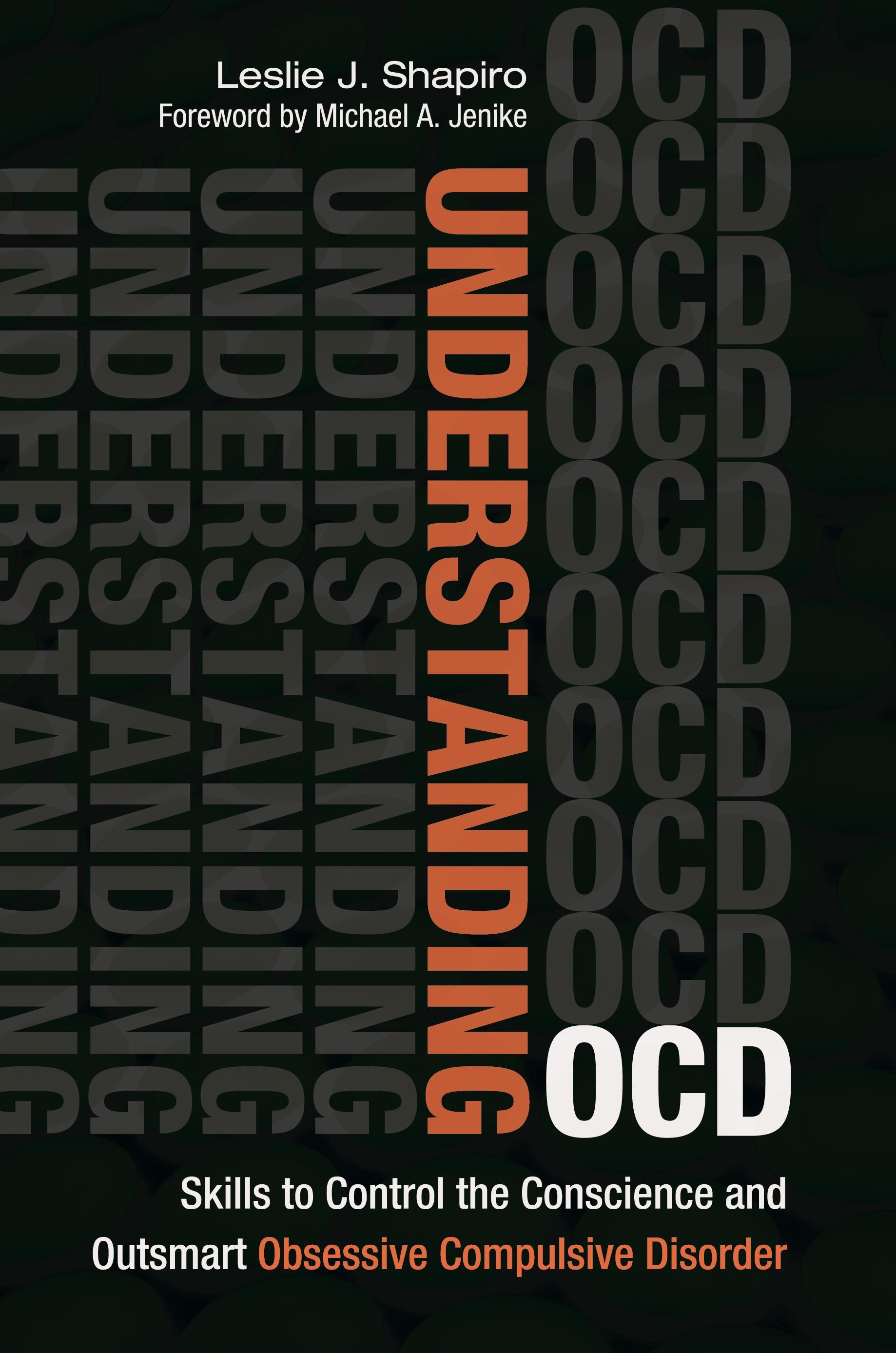
One of the most experienced therapists in the world for treatment-resistant obsessive compulsive disorder (OCD) explains the disorder, the treatments available, and the skills needed to overcome and outsmart OCD.
This is an eye-opening study of one of the most common psychiatric ailments diagnosed today—obsessive compulsive disorder (OCD). Written by Leslie J. Shapiro, a renowned therapist at one of the most well known OCD facilities in the world, this reference shares effective treatment strategies and clinical factors for helping therapists, mental health professionals, psychology students, clergy, and others deal with patients coping with this illness. The author offers case examples from her 15 years of residential work with patients, demonstrating how sufferers—even the most treatment resistant—can get control of the condition.
Organized into three sections, this guidebook first reveals how OCD and guilt are intertwined and explores survival instincts, cultural factors, and the nature of thoughts. The second section covers aspects of the obsessive conscience such as scrupulosity, moralosity, and obsessive guilt. The book's conclusion describes effective exposure and response prevention strategies for these symptoms and examines methods of treatment that augment and help maintain recovery. An in-depth discussion on the differences between compulsive and impulsive behaviors—as well as other treatment impediments—is included.
This is an eye-opening study of one of the most common psychiatric ailments diagnosed today—obsessive compulsive disorder (OCD). Written by Leslie J. Shapiro, a renowned therapist at one of the most well known OCD facilities in the world, this reference shares effective treatment strategies and clinical factors for helping therapists, mental health professionals, psychology students, clergy, and others deal with patients coping with this illness. The author offers case examples from her 15 years of residential work with patients, demonstrating how sufferers—even the most treatment resistant—can get control of the condition.
Organized into three sections, this guidebook first reveals how OCD and guilt are intertwined and explores survival instincts, cultural factors, and the nature of thoughts. The second section covers aspects of the obsessive conscience such as scrupulosity, moralosity, and obsessive guilt. The book's conclusion describes effective exposure and response prevention strategies for these symptoms and examines methods of treatment that augment and help maintain recovery. An in-depth discussion on the differences between compulsive and impulsive behaviors—as well as other treatment impediments—is included.
Płać wygodnie kartą, Klarną, Apple Pay lub Google Pay. Nie jesteś zadowolony? Zawsze masz 14-dniową gwarancję zwrotu pieniędzy. Więcej przeczytasz w naszych warunkach. Masz pytania? Napisz do nas na hello@memmo.org.
Memmo ułatwia naukę – gdziekolwiek jesteś na świecie. U nas znajdziesz podręczniki i sprytne narzędzia do nauki w jednym miejscu: streszczenia, quizy, podcasty i fiszki. A do tego Ted, Twój kumpel do nauki, który odpowie na wszystko, co Cię nurtuje. Ponad 50 000 studentów już tu się uczy – stworzone, byś uczył się szybciej i mniej stresował.