
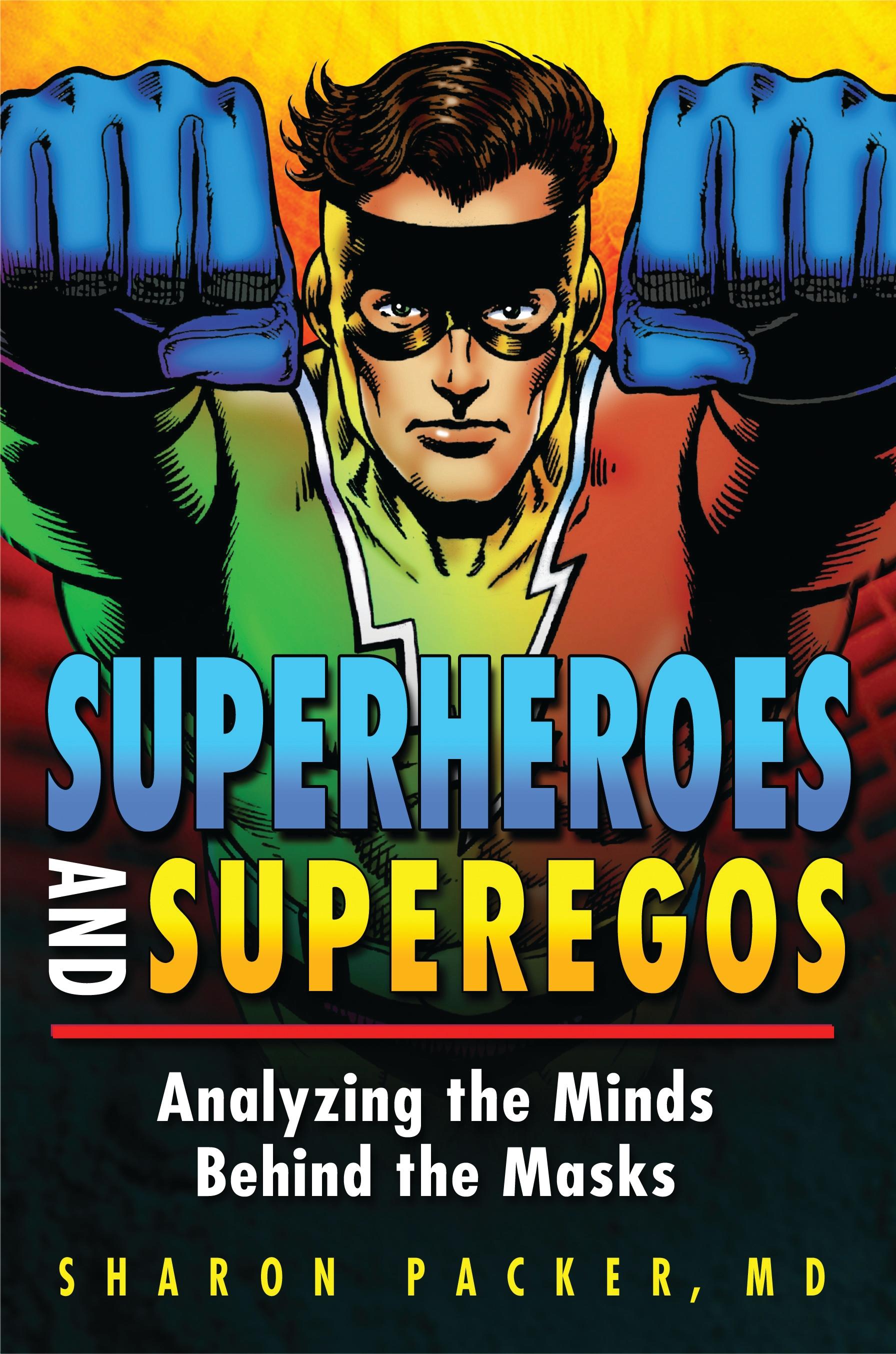
This comprehensive collection of essays written by a practicing psychiatrist shows that superheroes are more about superegos than about bodies and brawn, even though they contain subversive sexual subtexts that paved the path for major social shifts of the late 20th century.
Superheroes have provided entertainment for generations, but there is much more to these fictional characters than what first meets the eye. Superheros and Superegos: Analyzing the Minds Behind the Masks begins its exploration in 1938 with the creation of Superman and continues to the present, with a nod to the forerunners of superhero stories in the Bible and Greek, Roman, Norse, and Hindu myth. The first book about superheroes written by a psychiatrist in over 50 years, it invokes biological psychiatry to discuss such concepts as "body dysmorphic disorder," as well as Jungian concepts of the shadow self that explain the appeal of the masked hero and the secret identity.
Readers will discover that the earliest superheroes represent fantasies about stopping Hitler, while more sophisticated and socially-oriented publishers used superheroes to encourage American participation in World War II. The book also explores themes such as how the feminist movement and the dramatic shift in women's roles and rights were predicted by Wonder Woman and Sheena nearly 30 years before the dawn of the feminist era.
Superheroes have provided entertainment for generations, but there is much more to these fictional characters than what first meets the eye. Superheros and Superegos: Analyzing the Minds Behind the Masks begins its exploration in 1938 with the creation of Superman and continues to the present, with a nod to the forerunners of superhero stories in the Bible and Greek, Roman, Norse, and Hindu myth. The first book about superheroes written by a psychiatrist in over 50 years, it invokes biological psychiatry to discuss such concepts as "body dysmorphic disorder," as well as Jungian concepts of the shadow self that explain the appeal of the masked hero and the secret identity.
Readers will discover that the earliest superheroes represent fantasies about stopping Hitler, while more sophisticated and socially-oriented publishers used superheroes to encourage American participation in World War II. The book also explores themes such as how the feminist movement and the dramatic shift in women's roles and rights were predicted by Wonder Woman and Sheena nearly 30 years before the dawn of the feminist era.
Płać wygodnie kartą, Klarną, Apple Pay lub Google Pay. Nie jesteś zadowolony? Zawsze masz 14-dniową gwarancję zwrotu pieniędzy. Więcej przeczytasz w naszych warunkach. Masz pytania? Napisz do nas na hello@memmo.org.
Memmo ułatwia naukę – gdziekolwiek jesteś na świecie. U nas znajdziesz podręczniki i sprytne narzędzia do nauki w jednym miejscu: streszczenia, quizy, podcasty i fiszki. A do tego Ted, Twój kumpel do nauki, który odpowie na wszystko, co Cię nurtuje. Ponad 50 000 studentów już tu się uczy – stworzone, byś uczył się szybciej i mniej stresował.