
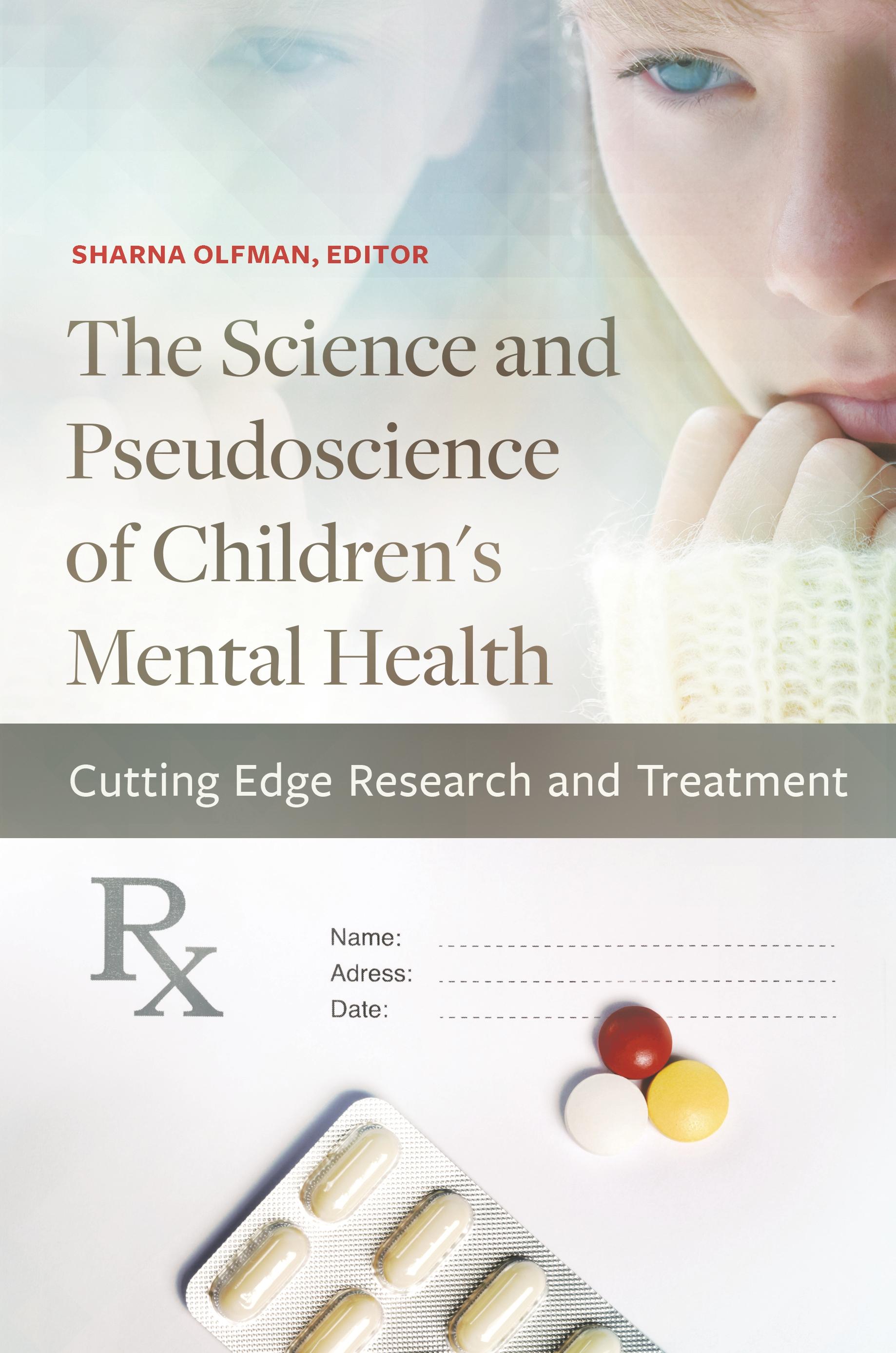
This book explains how studies in brain development and epigenetics—the inextricable interplay of genes and environments—have led to breakthroughs in the understanding of children's psychological disturbances and serve to discredit the scientifically unsupported "chemical imbalance theory" of mental illness.
Intended for mental health practitioners, concerned parents, and child advocates alike, this book presents a powerful new paradigm for understanding the causes of children's psychological disturbances—and as a result, the proper treatment of these symptoms. Based in cutting-edge research on the developing brain and epigenetics, this important volume serves to inform readers about the latest scientific conclusions and clinical practices that need to supplant pervasive and often dangerous drug prescriptions to millions of children.
Sharna Olfman, PhD, and contributors including leading researchers, clinicians, and childhood advocates present their research findings and explain the implications for treatment of a range of symptoms, including autism spectrum disorders, attention deficit hyperactivity disorder (ADHD), concussion syndromes, and mood disorders. The book definitively lays to rest the "chemical imbalance theory" of mental illness, a theory that has been roundly discredited by the scientific community but kept alive by the pharmaceutical industry. Chapters focus on the real science of epigenetics and the sensitivity of the developing brain to environmental influences such as trauma and chemical toxins—legitimate research findings that are largely ignored by mental health practitioners and rarely influence practice.
Intended for mental health practitioners, concerned parents, and child advocates alike, this book presents a powerful new paradigm for understanding the causes of children's psychological disturbances—and as a result, the proper treatment of these symptoms. Based in cutting-edge research on the developing brain and epigenetics, this important volume serves to inform readers about the latest scientific conclusions and clinical practices that need to supplant pervasive and often dangerous drug prescriptions to millions of children.
Sharna Olfman, PhD, and contributors including leading researchers, clinicians, and childhood advocates present their research findings and explain the implications for treatment of a range of symptoms, including autism spectrum disorders, attention deficit hyperactivity disorder (ADHD), concussion syndromes, and mood disorders. The book definitively lays to rest the "chemical imbalance theory" of mental illness, a theory that has been roundly discredited by the scientific community but kept alive by the pharmaceutical industry. Chapters focus on the real science of epigenetics and the sensitivity of the developing brain to environmental influences such as trauma and chemical toxins—legitimate research findings that are largely ignored by mental health practitioners and rarely influence practice.
Płać wygodnie kartą, Klarną, Apple Pay lub Google Pay. Nie jesteś zadowolony? Zawsze masz 14-dniową gwarancję zwrotu pieniędzy. Więcej przeczytasz w naszych warunkach. Masz pytania? Napisz do nas na hello@memmo.org.
Memmo ułatwia naukę – gdziekolwiek jesteś na świecie. U nas znajdziesz podręczniki i sprytne narzędzia do nauki w jednym miejscu: streszczenia, quizy, podcasty i fiszki. A do tego Ted, Twój kumpel do nauki, który odpowie na wszystko, co Cię nurtuje. Ponad 50 000 studentów już tu się uczy – stworzone, byś uczył się szybciej i mniej stresował.