
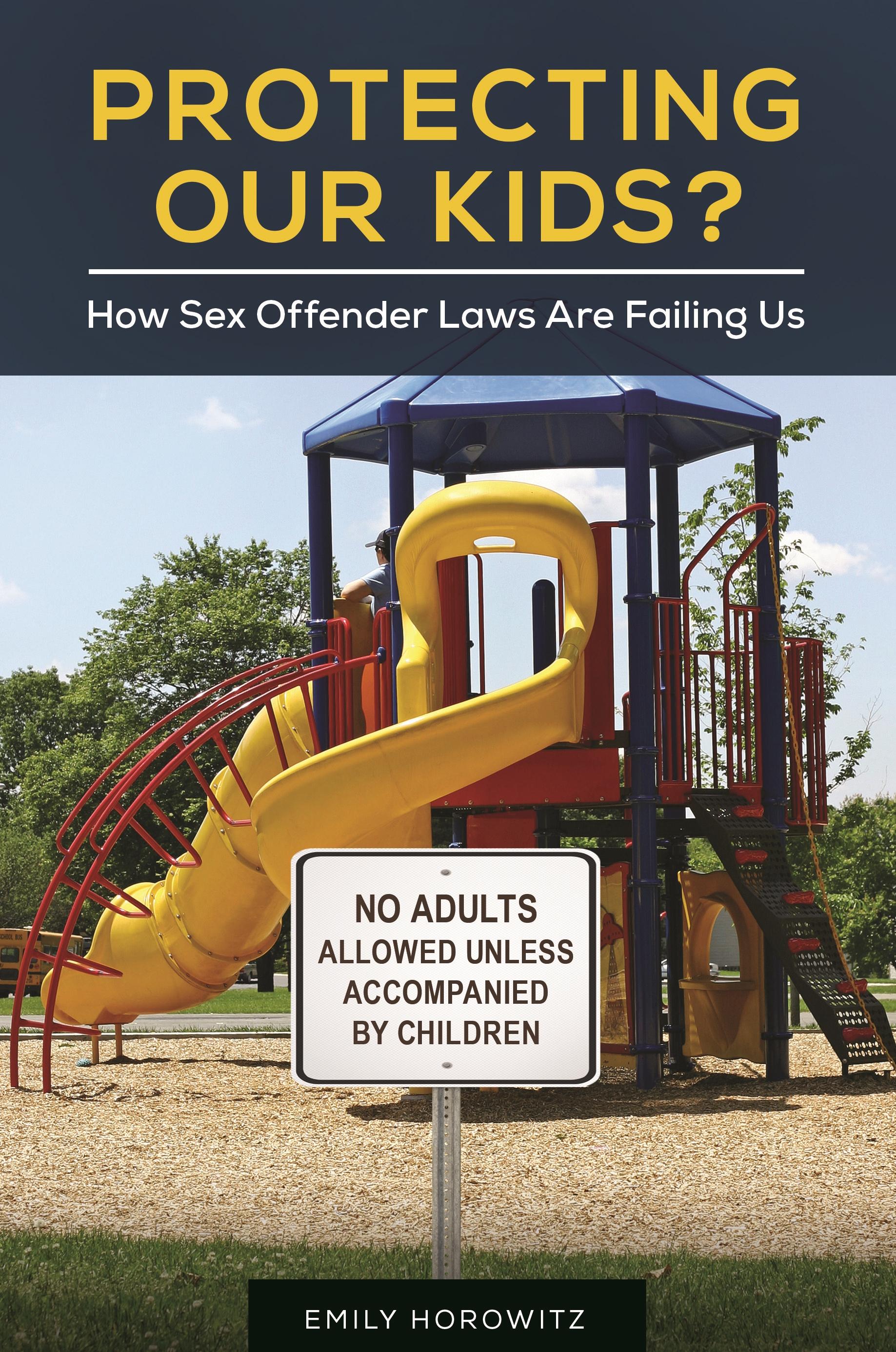
This thought-provoking work raises important questions about sex offender laws, drawing from personal stories, research, and data to prove the policies promote fear, destroy lives, and fail to protect children.
Do sex offender laws protect children, or are they inherently unfair practices that, at their worst, promote vigilante justice? The latter, this book argues. By analyzing the social, political, historical, and cultural context surrounding the emergence of current sex offender policies and laws, the work shows how sex offenders have come to loom as greater-than-life monsters when, in many cases, that is not true at all. Looking at its subject from a fresh viewpoint, the book shares research and new analyses of data and qualitative evidence to show how sex-offender laws are not only ineffective, but engender destructive fear and anxiety.
To help readers understand the impact of these laws, the author presents interviews with sex offenders and their families as they describe the day-to-day reality of living on the sex offender registry. Citing research and statistics, the book challenges the idea that sex offenders must be continually monitored and publicly identified because they are incurably predatory. Most important, the study shows that undue sex offender panic is preventing policymakers from addressing the true threats to children—poverty and growing inequality.
Do sex offender laws protect children, or are they inherently unfair practices that, at their worst, promote vigilante justice? The latter, this book argues. By analyzing the social, political, historical, and cultural context surrounding the emergence of current sex offender policies and laws, the work shows how sex offenders have come to loom as greater-than-life monsters when, in many cases, that is not true at all. Looking at its subject from a fresh viewpoint, the book shares research and new analyses of data and qualitative evidence to show how sex-offender laws are not only ineffective, but engender destructive fear and anxiety.
To help readers understand the impact of these laws, the author presents interviews with sex offenders and their families as they describe the day-to-day reality of living on the sex offender registry. Citing research and statistics, the book challenges the idea that sex offenders must be continually monitored and publicly identified because they are incurably predatory. Most important, the study shows that undue sex offender panic is preventing policymakers from addressing the true threats to children—poverty and growing inequality.
Płać wygodnie kartą, Klarną, Apple Pay lub Google Pay. Nie jesteś zadowolony? Zawsze masz 14-dniową gwarancję zwrotu pieniędzy. Więcej przeczytasz w naszych warunkach. Masz pytania? Napisz do nas na hello@memmo.org.
Memmo ułatwia naukę – gdziekolwiek jesteś na świecie. U nas znajdziesz podręczniki i sprytne narzędzia do nauki w jednym miejscu: streszczenia, quizy, podcasty i fiszki. A do tego Ted, Twój kumpel do nauki, który odpowie na wszystko, co Cię nurtuje. Ponad 50 000 studentów już tu się uczy – stworzone, byś uczył się szybciej i mniej stresował.