
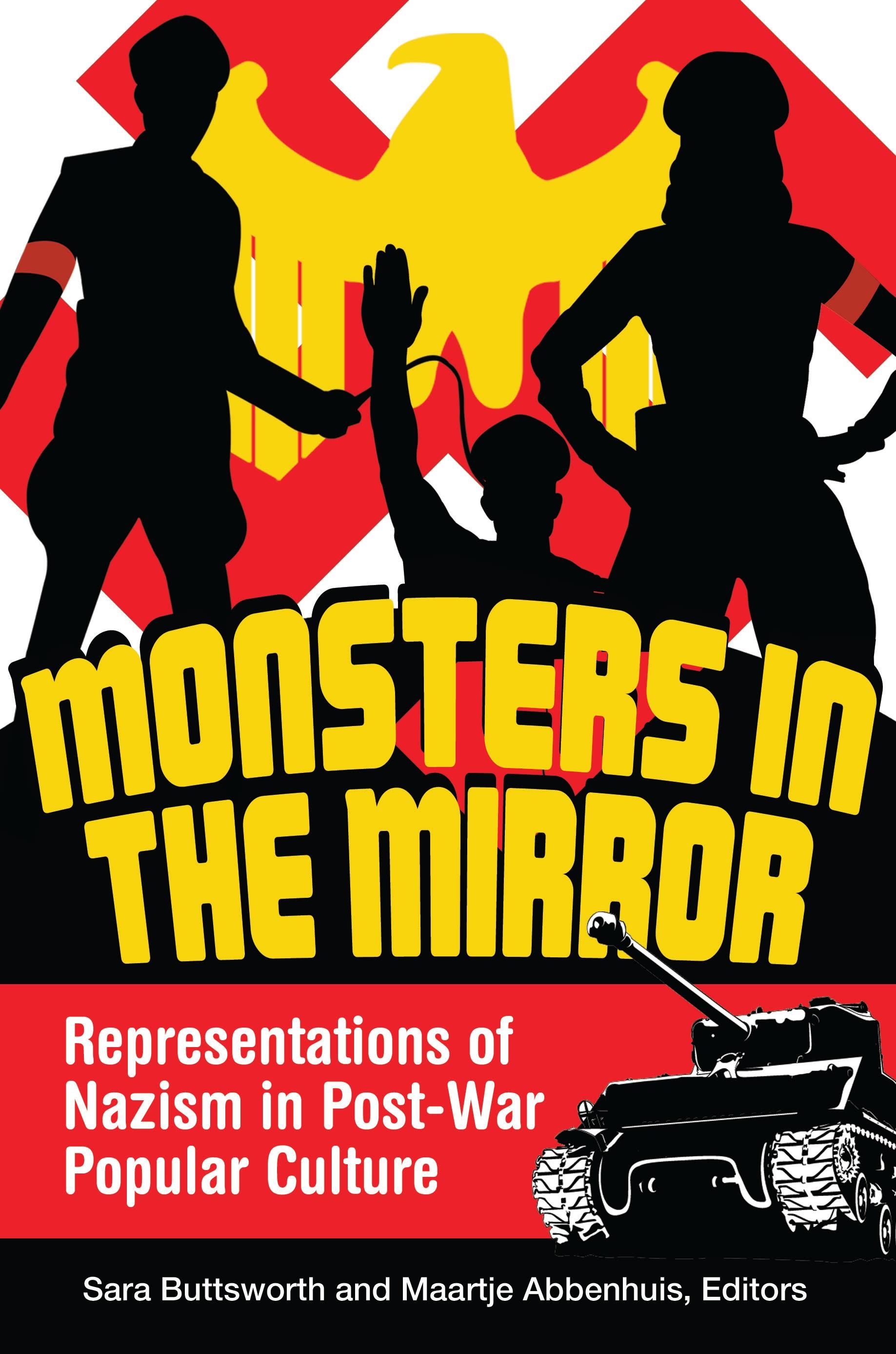
This collection provides readers with a comprehensive overview of postwar representations of Nazism in popular culture, documenting and critiquing their enormous impact and importance.
From Charlie Chaplin's The Great Dictator to the depiction of Nazis in the Raiders of the Lost Ark to other various literature, comic books, video games, television programs, and pop music, Nazism has maintained a constant presence in popular culture after World War II. Why are representations of Nazism—which are often used to depict the ultimate expression of human evil—so entrenched in our culture?
Each chapter in this book examines this multifaceted topic from different angles, highlighting the different incidences of Nazistic representations in the post-1945 period. The diverse subject matter in this text ranges from analysis of recent allo-historical novels, to the music of the "neo-folk" movement, to fetishes and pornography. Readers will gain insight on how the imagery and symbology of Nazism in popular culture has changed over time and understand how the disconnect between representations of Nazism and the historical record have developed, particularly with regard to the genocide that resulted from Nazi politics.
From Charlie Chaplin's The Great Dictator to the depiction of Nazis in the Raiders of the Lost Ark to other various literature, comic books, video games, television programs, and pop music, Nazism has maintained a constant presence in popular culture after World War II. Why are representations of Nazism—which are often used to depict the ultimate expression of human evil—so entrenched in our culture?
Each chapter in this book examines this multifaceted topic from different angles, highlighting the different incidences of Nazistic representations in the post-1945 period. The diverse subject matter in this text ranges from analysis of recent allo-historical novels, to the music of the "neo-folk" movement, to fetishes and pornography. Readers will gain insight on how the imagery and symbology of Nazism in popular culture has changed over time and understand how the disconnect between representations of Nazism and the historical record have developed, particularly with regard to the genocide that resulted from Nazi politics.
Płać wygodnie kartą, Klarną, Apple Pay lub Google Pay. Nie jesteś zadowolony? Zawsze masz 14-dniową gwarancję zwrotu pieniędzy. Więcej przeczytasz w naszych warunkach. Masz pytania? Napisz do nas na hello@memmo.org.
Memmo ułatwia naukę – gdziekolwiek jesteś na świecie. U nas znajdziesz podręczniki i sprytne narzędzia do nauki w jednym miejscu: streszczenia, quizy, podcasty i fiszki. A do tego Ted, Twój kumpel do nauki, który odpowie na wszystko, co Cię nurtuje. Ponad 50 000 studentów już tu się uczy – stworzone, byś uczył się szybciej i mniej stresował.