
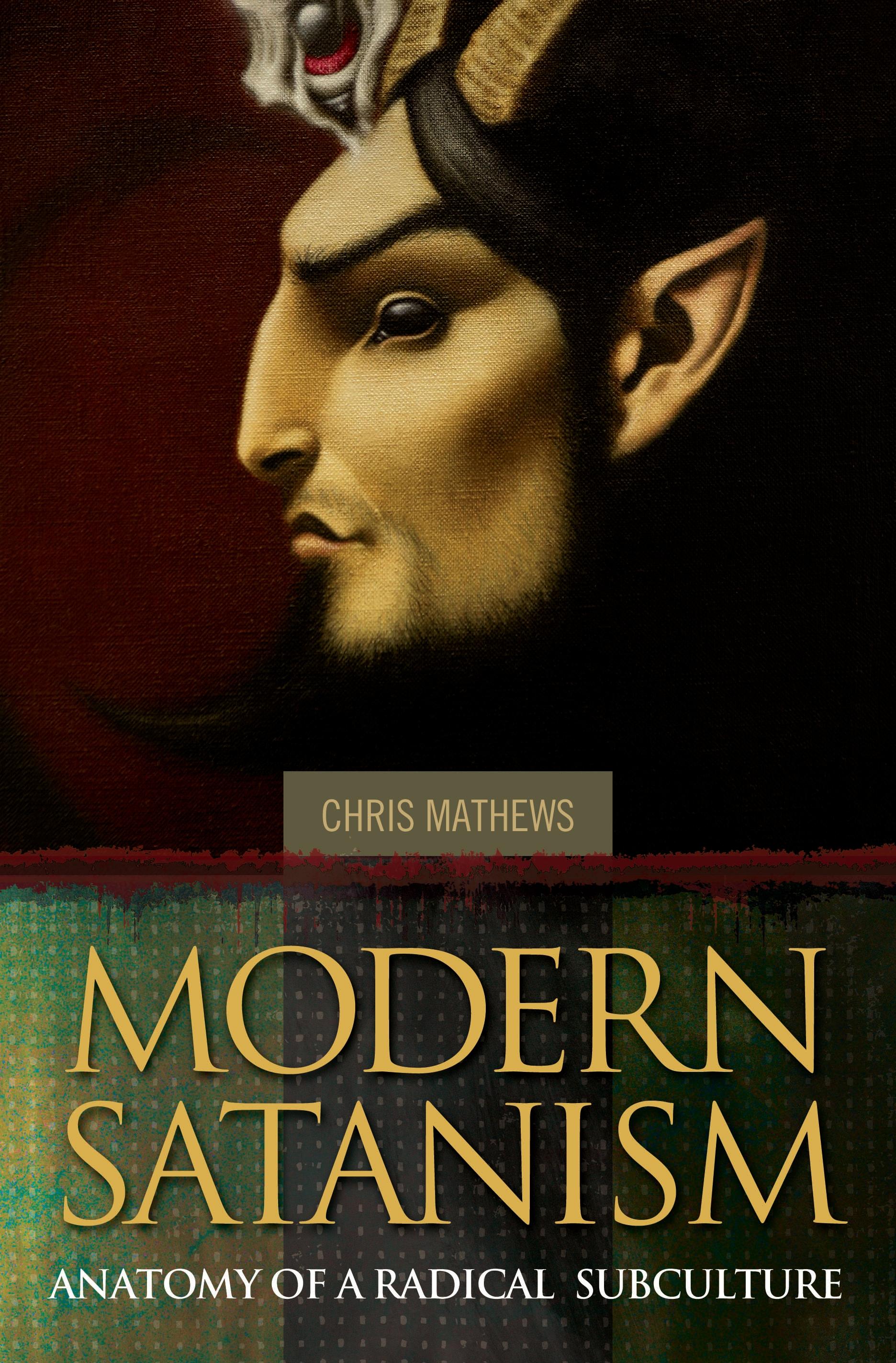
In 1966, Anton LaVey introduced to the world the Church of Satan, an atheistic religion devoted to the philosophy of individualism and pitilessness often associated with Satan. Modern Satanism offers a comprehensive survey and analysis of the church that LaVey built. Satanism has been an open religion for forty years now and operates successfully in its self-created countercultural niche. Given the provocative nature of its name, contemporary Satanism is only superficially understood as an alternative religion/ideology, and all-too-frequently seen as a medieval superstition and associated with rumors of obscure rituals, perverse hedonism, cult-like behavior, and tales of ritual abuse and murder. These may be misconceptions, but the truth behind the unenviable reputation is no less dramatic. Satanism generally eschews supernatural beliefs and embodies a staunchly individualistic, pitiless, anti-egalitarian creed. If there is anything fundamentally diabolical about modern Satanism, it stems more from the echoes of Nazism in its theories than from its horror-comic trappings.
Modern Satanism covers the history, ideology, personalities, and practices of the decentralized international movement that contemporary Satanism has become. The work addresses the various beliefs and practices espoused by those who follow it: the ideal of Satan as a rebellious emblem; Satanism's occult, literary, and philosophical influences; the history of the Church of Satan and other Satanic organizations; the ideology of Satanism; Satanism's frequent flirtations and strong parallels with neo-Nazism and other forms of extremism; Satanism in the media and popular culture; and the reasons for Satanism's continuing attractiveness to new converts. Though the tone of the work attempts to remain neutral when discussing historical matters, it is by necessity critical of the subculture's extremist rhetoric and recurring associations with the far right and racialist extremism.
Modern Satanism covers the history, ideology, personalities, and practices of the decentralized international movement that contemporary Satanism has become. The work addresses the various beliefs and practices espoused by those who follow it: the ideal of Satan as a rebellious emblem; Satanism's occult, literary, and philosophical influences; the history of the Church of Satan and other Satanic organizations; the ideology of Satanism; Satanism's frequent flirtations and strong parallels with neo-Nazism and other forms of extremism; Satanism in the media and popular culture; and the reasons for Satanism's continuing attractiveness to new converts. Though the tone of the work attempts to remain neutral when discussing historical matters, it is by necessity critical of the subculture's extremist rhetoric and recurring associations with the far right and racialist extremism.
Płać wygodnie kartą, Klarną, Apple Pay lub Google Pay. Nie jesteś zadowolony? Zawsze masz 14-dniową gwarancję zwrotu pieniędzy. Więcej przeczytasz w naszych warunkach. Masz pytania? Napisz do nas na hello@memmo.org.
Memmo ułatwia naukę – gdziekolwiek jesteś na świecie. U nas znajdziesz podręczniki i sprytne narzędzia do nauki w jednym miejscu: streszczenia, quizy, podcasty i fiszki. A do tego Ted, Twój kumpel do nauki, który odpowie na wszystko, co Cię nurtuje. Ponad 50 000 studentów już tu się uczy – stworzone, byś uczył się szybciej i mniej stresował.