
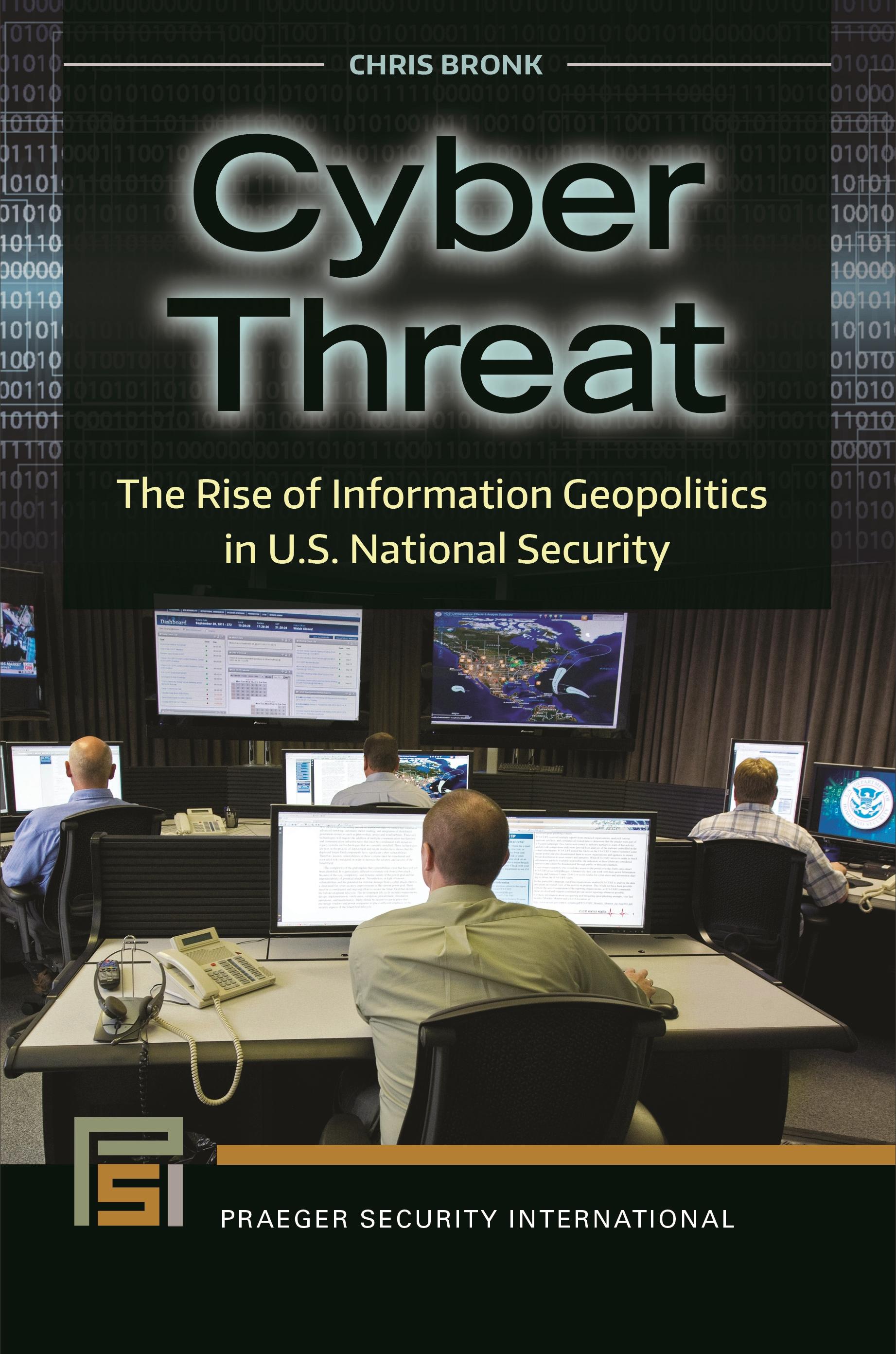
This book presents a holistic view of the geopolitics of cyberspace that have arisen over the past decade, utilizing recent events to explain the international security dimension of cyber threat and vulnerability, and to document the challenges of controlling information resources and protecting computer systems.
How are the evolving cases of cyber attack and breach as well as the actions of government and corporations shaping how cyberspace is governed? What object lessons are there in security cases such as those involving Wikileaks and the Snowden affair? An essential read for practitioners, scholars, and students of international affairs and security, this book examines the widely pervasive and enormously effective nature of cyber threats today, explaining why cyber attacks happen, how they matter, and how they may be managed.
The book addresses a chronology of events starting in 2005 to comprehensively explain the international security dimension of cyber threat and vulnerability. It begins with an explanation of contemporary information technology, including the economics of contemporary cloud, mobile, and control systems software as well as how computing and networking—principally the Internet—are interwoven in the concept of cyberspace. Author Chris Bronk, PhD, then documents the national struggles with controlling information resources and protecting computer systems. The book considers major security cases such as Wikileaks, Stuxnet, the cyber attack on Estonia, Shamoon, and the recent exploits of the Syrian Electronic Army. Readers will understand how cyber security in the 21st century is far more than a military or defense issue, but is a critical matter of international law, diplomacy, commerce, and civil society as well.
How are the evolving cases of cyber attack and breach as well as the actions of government and corporations shaping how cyberspace is governed? What object lessons are there in security cases such as those involving Wikileaks and the Snowden affair? An essential read for practitioners, scholars, and students of international affairs and security, this book examines the widely pervasive and enormously effective nature of cyber threats today, explaining why cyber attacks happen, how they matter, and how they may be managed.
The book addresses a chronology of events starting in 2005 to comprehensively explain the international security dimension of cyber threat and vulnerability. It begins with an explanation of contemporary information technology, including the economics of contemporary cloud, mobile, and control systems software as well as how computing and networking—principally the Internet—are interwoven in the concept of cyberspace. Author Chris Bronk, PhD, then documents the national struggles with controlling information resources and protecting computer systems. The book considers major security cases such as Wikileaks, Stuxnet, the cyber attack on Estonia, Shamoon, and the recent exploits of the Syrian Electronic Army. Readers will understand how cyber security in the 21st century is far more than a military or defense issue, but is a critical matter of international law, diplomacy, commerce, and civil society as well.
Płać wygodnie kartą, Klarną, Apple Pay lub Google Pay. Nie jesteś zadowolony? Zawsze masz 14-dniową gwarancję zwrotu pieniędzy. Więcej przeczytasz w naszych warunkach. Masz pytania? Napisz do nas na hello@memmo.org.
Memmo ułatwia naukę – gdziekolwiek jesteś na świecie. U nas znajdziesz podręczniki i sprytne narzędzia do nauki w jednym miejscu: streszczenia, quizy, podcasty i fiszki. A do tego Ted, Twój kumpel do nauki, który odpowie na wszystko, co Cię nurtuje. Ponad 50 000 studentów już tu się uczy – stworzone, byś uczył się szybciej i mniej stresował.