
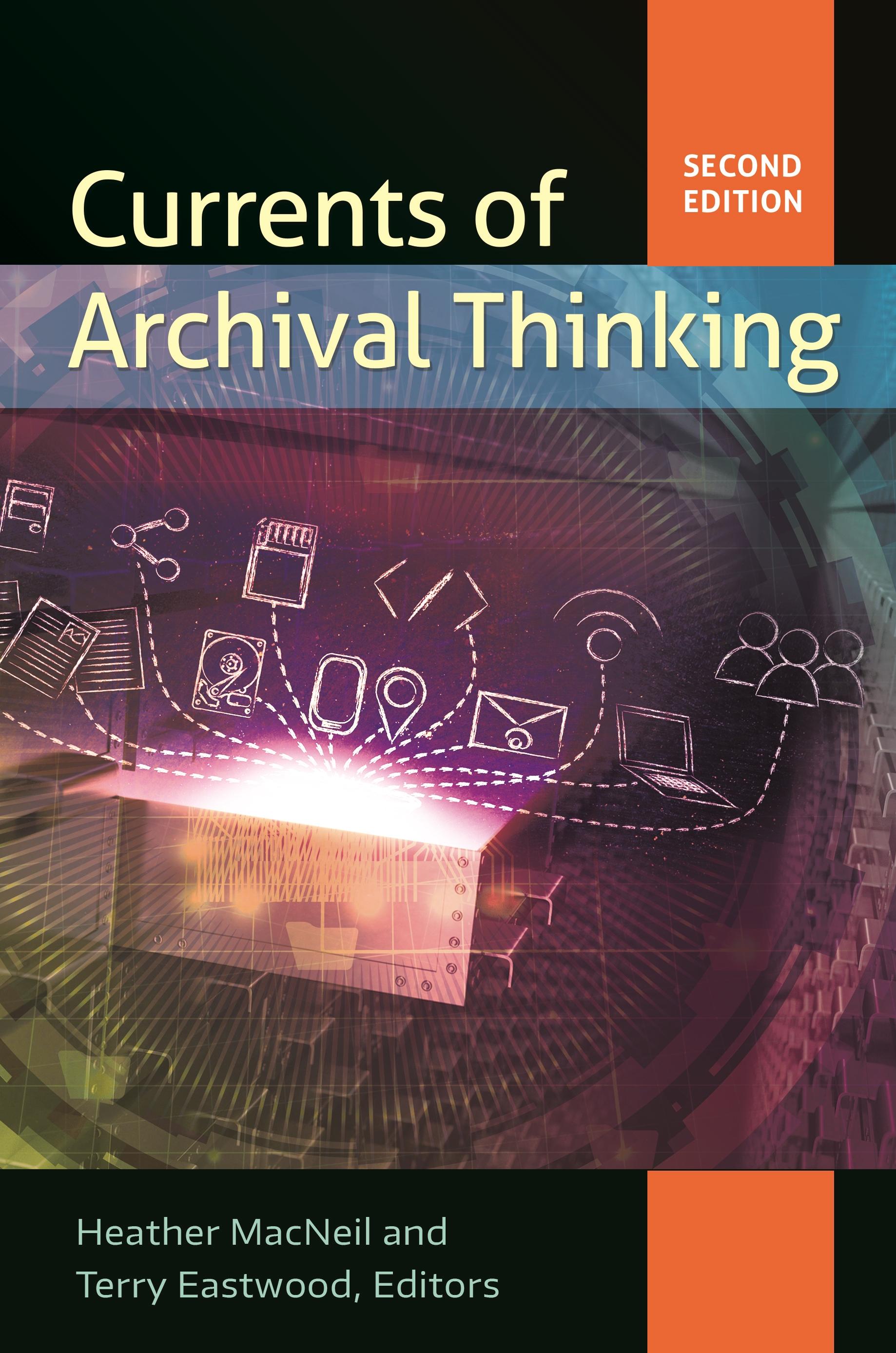
With new technologies and additional goals driving their institutions, archives are changing drastically. This book shows how the foundations of archival practice can be brought forward to adapt to new environments—while adhering to the key principles of preservation and access.
Archives of all types are experiencing a resurgence, evolving to meet new environments (digital and physical) and new priorities. To meet those changes, professional archivist education programs—now one of the more active segments of LIS schools—are proliferating as well. This book identifies core archival theories and approaches and how those interact with major issues and trends in the field. The essays explore the progression of archival thinking today, discussing the nature of archives in light of present-day roles for archivists and archival institutions in the preservation of documentary heritage.
Examining new conceptualizations and emerging frameworks through the lenses of core archival practice and theory, the book covers core foundational topics, such as the nature of archives, the ruling concept of provenance, and the principal functions of archivists, discussing each in the context of current and future environments and priorities. Several new essays on topics of central importance not treated in the first edition are included, such as digital preservation and the influence of new technologies on institutional programs that facilitate archival access, advocacy, and outreach; the changing legal context of archives and archival work; and the archival collections of private persons and organizations. Readers will also learn how communities of various kinds intersect with the archival mission and how other disciplines' perspectives on archives can open new avenues.
Archives of all types are experiencing a resurgence, evolving to meet new environments (digital and physical) and new priorities. To meet those changes, professional archivist education programs—now one of the more active segments of LIS schools—are proliferating as well. This book identifies core archival theories and approaches and how those interact with major issues and trends in the field. The essays explore the progression of archival thinking today, discussing the nature of archives in light of present-day roles for archivists and archival institutions in the preservation of documentary heritage.
Examining new conceptualizations and emerging frameworks through the lenses of core archival practice and theory, the book covers core foundational topics, such as the nature of archives, the ruling concept of provenance, and the principal functions of archivists, discussing each in the context of current and future environments and priorities. Several new essays on topics of central importance not treated in the first edition are included, such as digital preservation and the influence of new technologies on institutional programs that facilitate archival access, advocacy, and outreach; the changing legal context of archives and archival work; and the archival collections of private persons and organizations. Readers will also learn how communities of various kinds intersect with the archival mission and how other disciplines' perspectives on archives can open new avenues.
Płać wygodnie kartą, Klarną, Apple Pay lub Google Pay. Nie jesteś zadowolony? Zawsze masz 14-dniową gwarancję zwrotu pieniędzy. Więcej przeczytasz w naszych warunkach. Masz pytania? Napisz do nas na hello@memmo.org.
Memmo ułatwia naukę – gdziekolwiek jesteś na świecie. U nas znajdziesz podręczniki i sprytne narzędzia do nauki w jednym miejscu: streszczenia, quizy, podcasty i fiszki. A do tego Ted, Twój kumpel do nauki, który odpowie na wszystko, co Cię nurtuje. Ponad 50 000 studentów już tu się uczy – stworzone, byś uczył się szybciej i mniej stresował.