
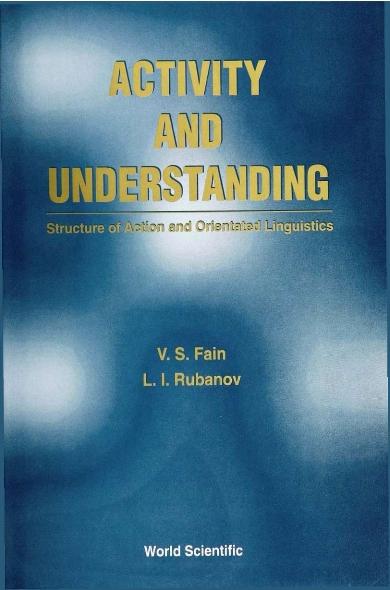
Computer understanding of natural language (NL) is commonly considered as extracting “sense” from NL texts. This deprives the problem of determinity, since the notion of “sense” lacks a formal definition. However, with a man-to-computer NL dialogue involved in some working process, any address by humans is nothing but a task for the computer to fulfil. Then it is immaterial whether the computer understands the address text sense and even the very notion of “sense”. Only the address task is to be accomplished. This means not revealing morphologic, syntactic and other text structures, but only extracting data on the task. As a result, a new theory of NL dialogue understanding has been created, called “orientated linguistics”. This theory has been brought to life as several practical systems, which have demonstrated an extremely reliable and correct understanding of a quite free and easy NL, a tiny resource consumption and simple readjustment between various subject areas and, what is more, national languages.
Płać wygodnie kartą, Klarną, Apple Pay lub Google Pay. Nie jesteś zadowolony? Zawsze masz 14-dniową gwarancję zwrotu pieniędzy. Więcej przeczytasz w naszych warunkach. Masz pytania? Napisz do nas na hello@memmo.org.
Memmo ułatwia naukę – gdziekolwiek jesteś na świecie. U nas znajdziesz podręczniki i sprytne narzędzia do nauki w jednym miejscu: streszczenia, quizy, podcasty i fiszki. A do tego Ted, Twój kumpel do nauki, który odpowie na wszystko, co Cię nurtuje. Ponad 50 000 studentów już tu się uczy – stworzone, byś uczył się szybciej i mniej stresował.
Może Ci się spodobać
Kup książkę0