
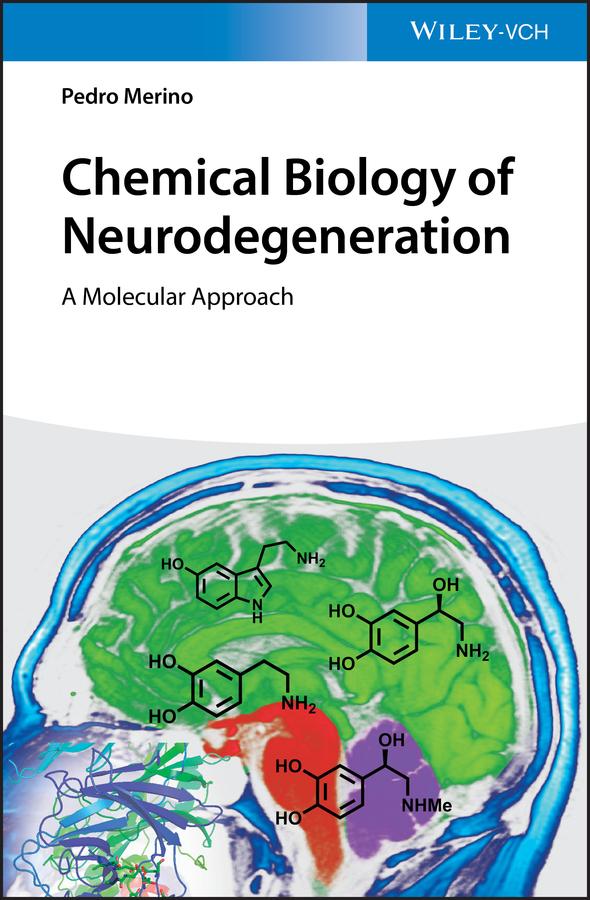
Bridges the gap between the chemistry of small molecule neuromodulators and the complex pattern of neurodegenerative disorders
Written by an experienced neurochemist, this book focuses on the main actors involved in neurodegenerative disorders at a molecular level, and places special emphasis on structural aspects and modes of action. Drawing on recent data on enzyme structure, mode of action, and inhibitor design, it describes?from a biochemical point of view?the six most important neurotransmitter systems and their constituent enzymes and receptors. Misfolding and aggregation of proteins within the brain is also covered. In addition, the book surveys a wide range of proven and prospective therapeutic agents that modulate key processes in the brain, from their chemical synthesis to their mode of action in model systems as well as in the patient.
Chemical Biology of Neurodegeneration: A Molecular Approach is presented in two parts. The first introduces the neurotransmitter systems and provides a general explanation of the synapse and a description of the main structures involved in neurotransmission that can be considered therapeutic targets for disorders of the central nervous system. The second part presents molecular and chemical aspects directly involved or affected in neurodegeneration, including the metabolism of neurotransmitters, enzymes processing neurotransmitters, protein misfolding, and therapeutic agents.
-Uses an interdisciplinary approach to bridge the gap between the basic biochemical events in a nerve cell and their neurological effects on the brain
-Places emphasis on the chemistry of small molecule modulators that are potential lead molecules for new drugs
-Covers six key neurotransmitter systems and their enzymes and receptors?dopaminergic, noradrenergic, serotonergic, cholinergic, GABAergic, and glutamatergic
Chemical Biology of Neurodegeneration: A Molecular Approach is a key resource for medicinal chemists, neurobiologists, neurochemists, biochemists, molecular biologists, and neurophysiologists.
Written by an experienced neurochemist, this book focuses on the main actors involved in neurodegenerative disorders at a molecular level, and places special emphasis on structural aspects and modes of action. Drawing on recent data on enzyme structure, mode of action, and inhibitor design, it describes?from a biochemical point of view?the six most important neurotransmitter systems and their constituent enzymes and receptors. Misfolding and aggregation of proteins within the brain is also covered. In addition, the book surveys a wide range of proven and prospective therapeutic agents that modulate key processes in the brain, from their chemical synthesis to their mode of action in model systems as well as in the patient.
Chemical Biology of Neurodegeneration: A Molecular Approach is presented in two parts. The first introduces the neurotransmitter systems and provides a general explanation of the synapse and a description of the main structures involved in neurotransmission that can be considered therapeutic targets for disorders of the central nervous system. The second part presents molecular and chemical aspects directly involved or affected in neurodegeneration, including the metabolism of neurotransmitters, enzymes processing neurotransmitters, protein misfolding, and therapeutic agents.
-Uses an interdisciplinary approach to bridge the gap between the basic biochemical events in a nerve cell and their neurological effects on the brain
-Places emphasis on the chemistry of small molecule modulators that are potential lead molecules for new drugs
-Covers six key neurotransmitter systems and their enzymes and receptors?dopaminergic, noradrenergic, serotonergic, cholinergic, GABAergic, and glutamatergic
Chemical Biology of Neurodegeneration: A Molecular Approach is a key resource for medicinal chemists, neurobiologists, neurochemists, biochemists, molecular biologists, and neurophysiologists.
Płać wygodnie kartą, Klarną, Apple Pay lub Google Pay. Nie jesteś zadowolony? Zawsze masz 14-dniową gwarancję zwrotu pieniędzy. Więcej przeczytasz w naszych warunkach. Masz pytania? Napisz do nas na hello@memmo.org.
Memmo ułatwia naukę – gdziekolwiek jesteś na świecie. U nas znajdziesz podręczniki i sprytne narzędzia do nauki w jednym miejscu: streszczenia, quizy, podcasty i fiszki. A do tego Ted, Twój kumpel do nauki, który odpowie na wszystko, co Cię nurtuje. Ponad 50 000 studentów już tu się uczy – stworzone, byś uczył się szybciej i mniej stresował.