
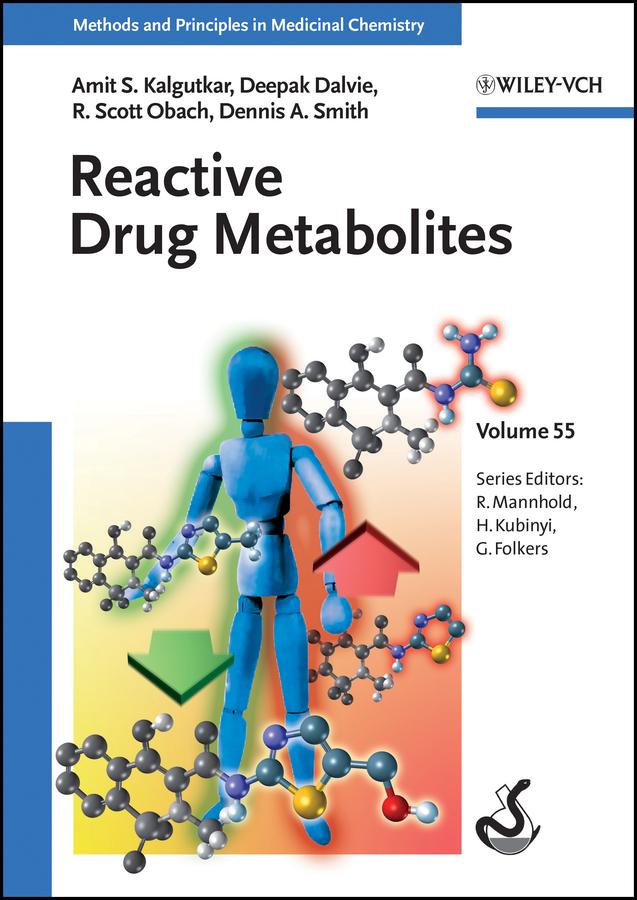
Closing a gap in the scientifi c literature, this first comprehensive introduction to the topic is based on current best practice in one of the largest
pharmaceutical companies worldwide. The first chapters trace the development of our understanding of drug metabolite toxicity, covering basic concepts and techniques in the process, while the second part details chemical toxicophores that are prone to reactive metabolite formation. This section also reviews the various drug-metabolizing enzymes that can participate in catalyzing reactive metabolite formation, including a discussion of the structure-toxicity relationships for drugs. Two chapters are dedicated to the currently hot topics of herbal constituents and IADRs.
The next part covers current strategies and approaches to evaluate the reactive metabolite potential of new drug candidates, both by predictive
and by bioanalytical methods. There then follows an in-depth analysis of the toxicological potential of the top 200 prescription drugs, illustrating
the power and the limits of the toxicophore concept, backed by numerous case studies. Finally, a risk-benefi t approach to managing the toxicity risk of reactive metabolite-prone drugs is presented.
Since the authors carefully develop the knowledge needed, from fundamental considerations to current industry standards, no degree in pharmacology is required to read this book, making it perfect for medicinal chemists without in-depth pharmacology training.
pharmaceutical companies worldwide. The first chapters trace the development of our understanding of drug metabolite toxicity, covering basic concepts and techniques in the process, while the second part details chemical toxicophores that are prone to reactive metabolite formation. This section also reviews the various drug-metabolizing enzymes that can participate in catalyzing reactive metabolite formation, including a discussion of the structure-toxicity relationships for drugs. Two chapters are dedicated to the currently hot topics of herbal constituents and IADRs.
The next part covers current strategies and approaches to evaluate the reactive metabolite potential of new drug candidates, both by predictive
and by bioanalytical methods. There then follows an in-depth analysis of the toxicological potential of the top 200 prescription drugs, illustrating
the power and the limits of the toxicophore concept, backed by numerous case studies. Finally, a risk-benefi t approach to managing the toxicity risk of reactive metabolite-prone drugs is presented.
Since the authors carefully develop the knowledge needed, from fundamental considerations to current industry standards, no degree in pharmacology is required to read this book, making it perfect for medicinal chemists without in-depth pharmacology training.
Płać wygodnie kartą, Klarną, Apple Pay lub Google Pay. Nie jesteś zadowolony? Zawsze masz 14-dniową gwarancję zwrotu pieniędzy. Więcej przeczytasz w naszych warunkach. Masz pytania? Napisz do nas na hello@memmo.org.
Memmo ułatwia naukę – gdziekolwiek jesteś na świecie. U nas znajdziesz podręczniki i sprytne narzędzia do nauki w jednym miejscu: streszczenia, quizy, podcasty i fiszki. A do tego Ted, Twój kumpel do nauki, który odpowie na wszystko, co Cię nurtuje. Ponad 50 000 studentów już tu się uczy – stworzone, byś uczył się szybciej i mniej stresował.