
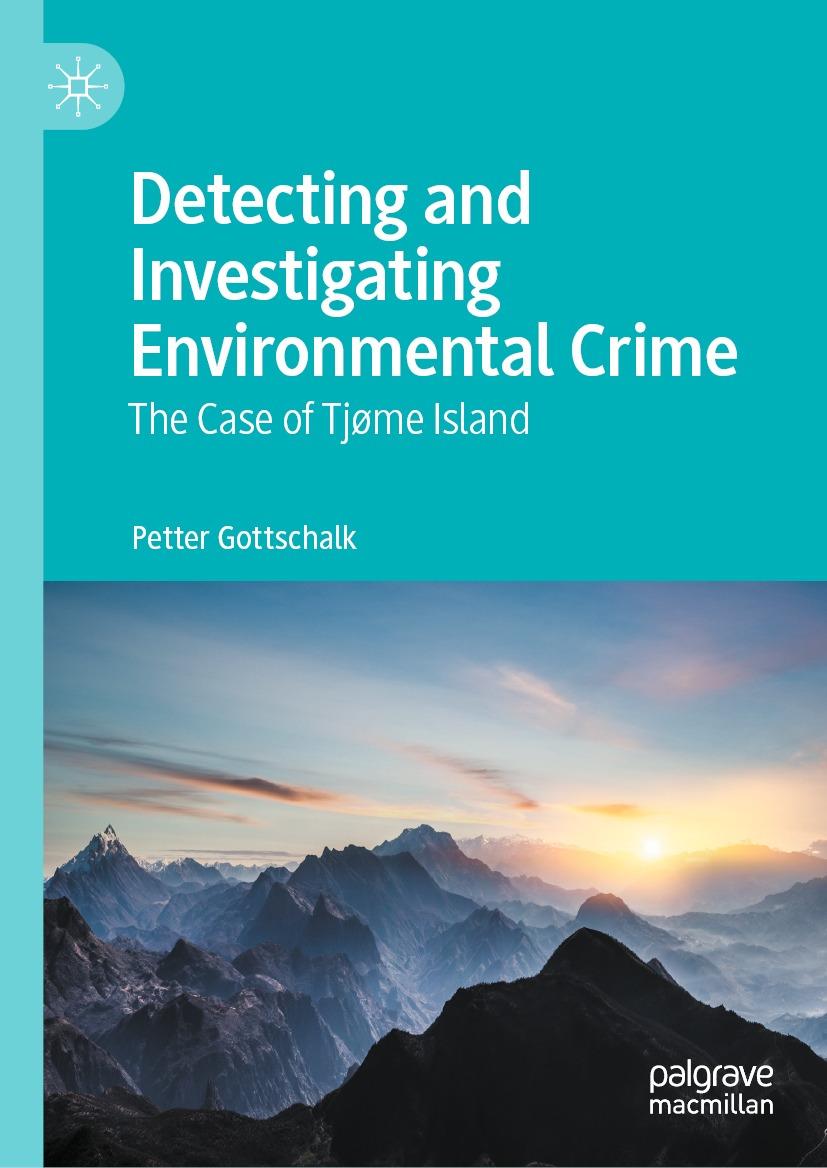
This book discusses environmental crime and individual wrongdoing. It uses the theory of convenience throughout to examine financial motives, attractive opportunities, and personal willingness to explain deviant behavior. This book focusses primarily on the case study of the Island of Tjøme in Norway, an attractive resort where building permits were repeatedly granted to rich people in a protected zone along the shoreline. This book investigates how these crimes were detected and investigated by police over a few years with the help of whistleblowers. It discusses the interplay between the potentially corrupt public officials, professionals like architects and attorneys, and rich individuals, as an interesting and challenging arena for law enforcement. It covers attorneys’ defense strategies, evaluates private internal policing, and provides insights for those investigating individuals involved in environmental crime. It also examines the Vest Tank toxic waste dumping case and the resulting explosion where unusually both the chairperson and the chief executive were successfully sentenced to prison because of environmental crime, unlike many other environmental crime cases where individuals avoid prison. The case studies are drawn from Norway to supplement more well-known casestudies from the USA.
Płać wygodnie kartą, Klarną, Apple Pay lub Google Pay. Nie jesteś zadowolony? Zawsze masz 14-dniową gwarancję zwrotu pieniędzy. Więcej przeczytasz w naszych warunkach. Masz pytania? Napisz do nas na hello@memmo.org.
Memmo ułatwia naukę – gdziekolwiek jesteś na świecie. U nas znajdziesz podręczniki i sprytne narzędzia do nauki w jednym miejscu: streszczenia, quizy, podcasty i fiszki. A do tego Ted, Twój kumpel do nauki, który odpowie na wszystko, co Cię nurtuje. Ponad 50 000 studentów już tu się uczy – stworzone, byś uczył się szybciej i mniej stresował.