
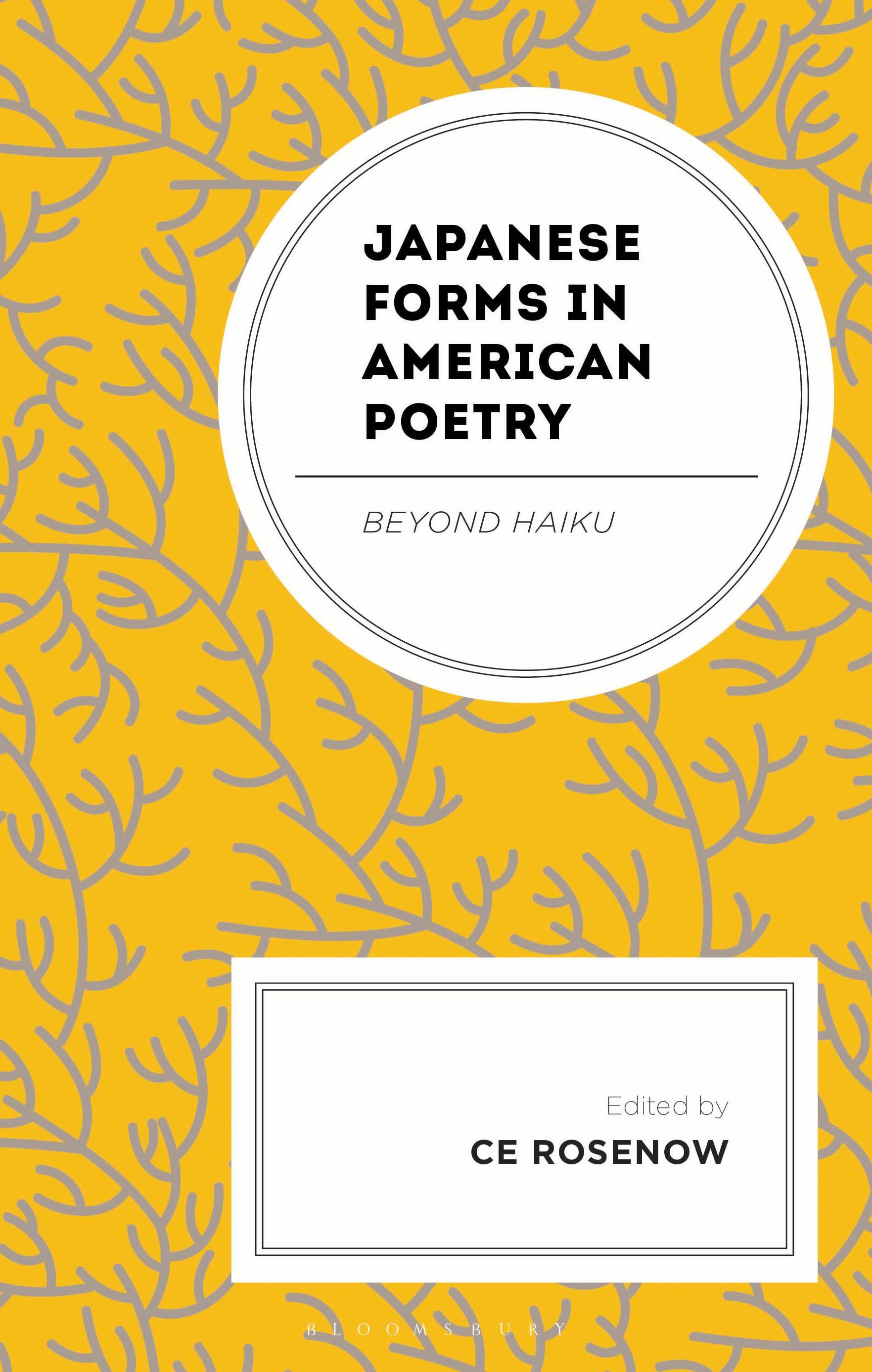
Analyzing the poetic forms of haibun, linked verse, senryu, and tanka, this collection argues that these traditional Japanese methods have established themselves in American poetry.
Beginning with its Japanese origins and continuing through its development in the United States, the contributors demonstrate how these poetic forms have existed alongside haiku for more than a century while drawing attention to their use within contemporary poetry. Over time, they have gained popularity among both haiku and non-haiku poets alike, leading to a wide variety of innovative approaches.
Beginning with its Japanese origins and continuing through its development in the United States, the contributors demonstrate how these poetic forms have existed alongside haiku for more than a century while drawing attention to their use within contemporary poetry. Over time, they have gained popularity among both haiku and non-haiku poets alike, leading to a wide variety of innovative approaches.
Płać wygodnie kartą, Klarną, Apple Pay lub Google Pay. Nie jesteś zadowolony? Zawsze masz 14-dniową gwarancję zwrotu pieniędzy. Więcej przeczytasz w naszych warunkach. Masz pytania? Napisz do nas na hello@memmo.org.
Memmo ułatwia naukę – gdziekolwiek jesteś na świecie. U nas znajdziesz podręczniki i sprytne narzędzia do nauki w jednym miejscu: streszczenia, quizy, podcasty i fiszki. A do tego Ted, Twój kumpel do nauki, który odpowie na wszystko, co Cię nurtuje. Ponad 50 000 studentów już tu się uczy – stworzone, byś uczył się szybciej i mniej stresował.