
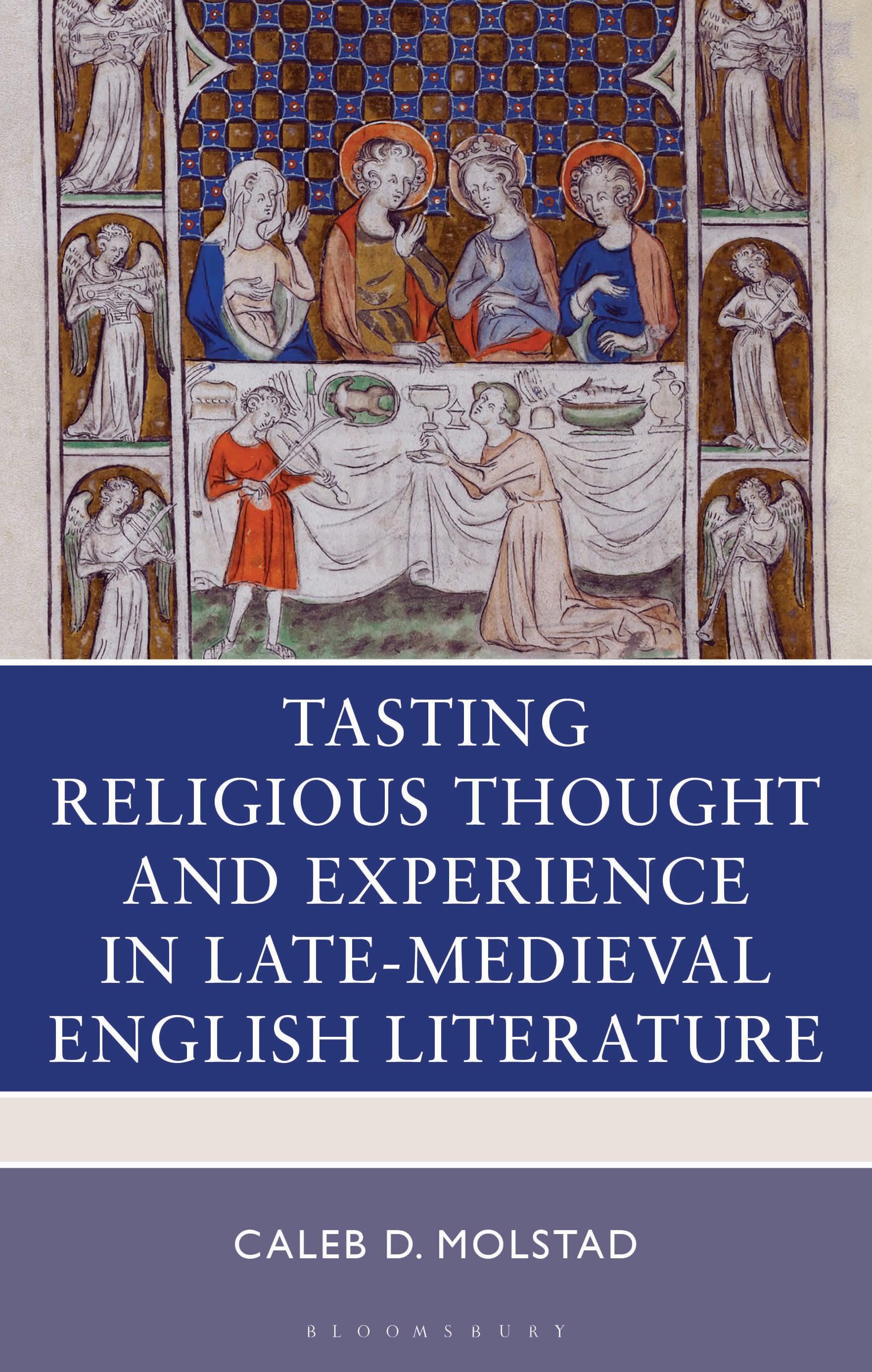
Through an analysis of vernacular metaphors of food and consumption for religious experience and theology in late-fourteenth and early fifteenth century England, Caleb D. Molstad explores what that language reveals about late-medieval religion during a time of swift religious and linguistic change.
In the move from Latin to Middle English, medieval authors gave vibrant expression to religious ideas through the emerging literary language, a phenomenon Nicholas Watson has termed “vernacular theology.” Molstad places focus on poetic and prose works including William Langland's Piers Plowman, Nicholas Love's A Mirror of the Blessed Life of Jesus Christ, and Walter Hilton's Scale of Perfection, Pearl-Poet's Cleanness, and A Ladder of Foure Ronges. Alimentary metaphors not only make religious concepts more accessible to a non-educated, lay audience, the language of food and consumption alters the shape of the religious content communicated through it. This book employs cognitive linguistics and food studies to explore the transcultural, sociological, anthropological, and historical significance of the food and foodways behind the metaphorical language and the theological transformations the metaphors produce.
In the move from Latin to Middle English, medieval authors gave vibrant expression to religious ideas through the emerging literary language, a phenomenon Nicholas Watson has termed “vernacular theology.” Molstad places focus on poetic and prose works including William Langland's Piers Plowman, Nicholas Love's A Mirror of the Blessed Life of Jesus Christ, and Walter Hilton's Scale of Perfection, Pearl-Poet's Cleanness, and A Ladder of Foure Ronges. Alimentary metaphors not only make religious concepts more accessible to a non-educated, lay audience, the language of food and consumption alters the shape of the religious content communicated through it. This book employs cognitive linguistics and food studies to explore the transcultural, sociological, anthropological, and historical significance of the food and foodways behind the metaphorical language and the theological transformations the metaphors produce.
Płać wygodnie kartą, Klarną, Apple Pay lub Google Pay. Nie jesteś zadowolony? Zawsze masz 14-dniową gwarancję zwrotu pieniędzy. Więcej przeczytasz w naszych warunkach. Masz pytania? Napisz do nas na hello@memmo.org.
Memmo ułatwia naukę – gdziekolwiek jesteś na świecie. U nas znajdziesz podręczniki i sprytne narzędzia do nauki w jednym miejscu: streszczenia, quizy, podcasty i fiszki. A do tego Ted, Twój kumpel do nauki, który odpowie na wszystko, co Cię nurtuje. Ponad 50 000 studentów już tu się uczy – stworzone, byś uczył się szybciej i mniej stresował.