
*Winner of the International Political Sociology book award for 2023*
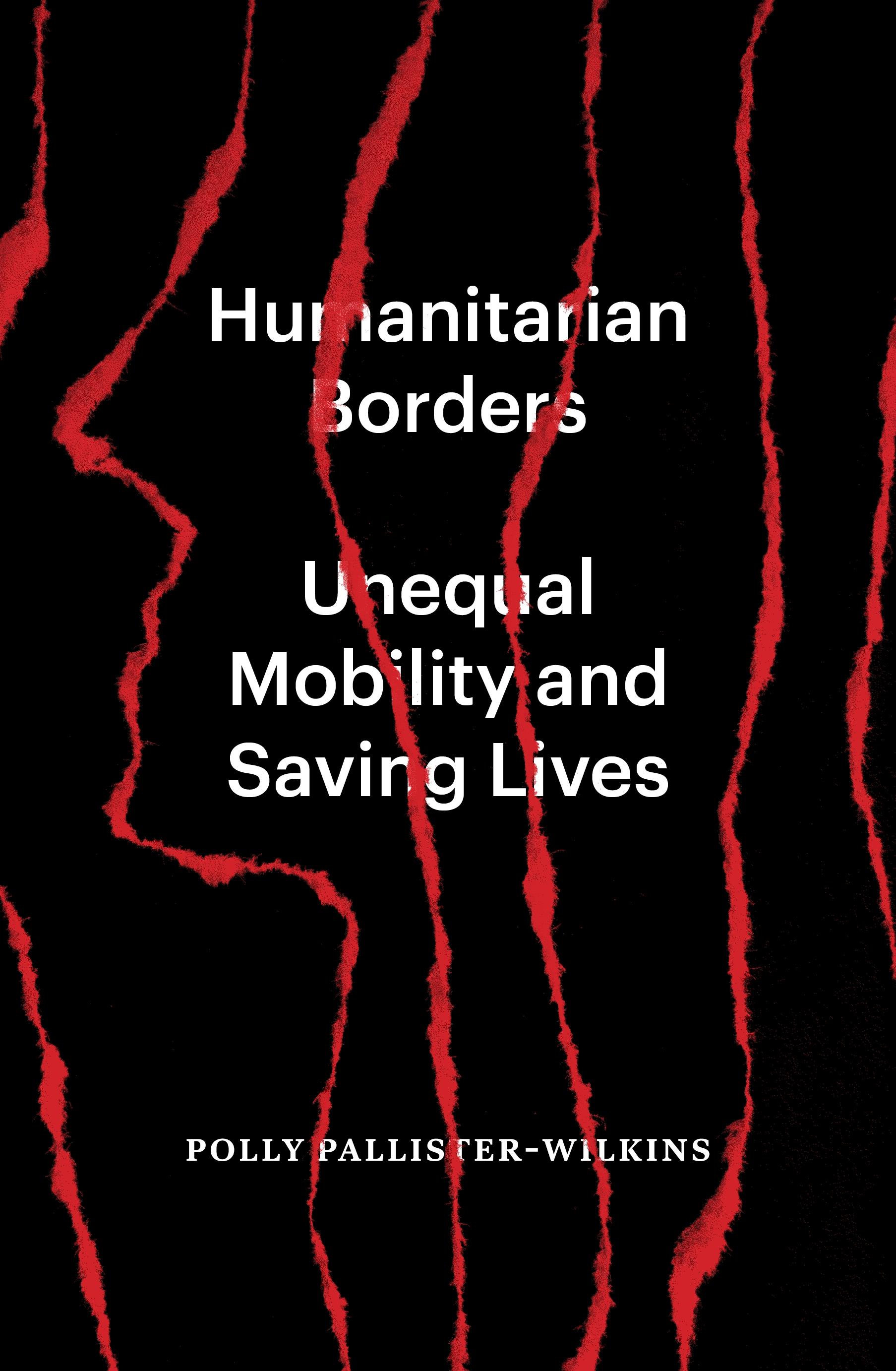
What does it mean when humanitarianism is the response to death, injury and suffering at the border? This book interrogates the politics of humanitarian responses to border violence and unequal mobility, arguing that such responses mask underlying injustices, depoliticise violent borders and bolster liberal and paternalist approaches to suffering. Focusing on the diversity of actors involved in humanitarian assistance alongside the times and spaces of action, the book draws a direct line between privileges of movement and global inequalities of race, class, gender and disability rooted in colonial histories and white supremacy and humanitarian efforts that save lives while entrenching such inequalities. Based on eight years of research with border police, European Union officials, professional humanitarians, and grassroots activists in Europe's borderlands, including Italy and Greece, the book argues that this kind of saving lives builds, expands and deepens already restrictive borders and exclusive and exceptional identities through what the book calls humanitarian borderwork.
What does it mean when humanitarianism is the response to death, injury and suffering at the border? This book interrogates the politics of humanitarian responses to border violence and unequal mobility, arguing that such responses mask underlying injustices, depoliticise violent borders and bolster liberal and paternalist approaches to suffering. Focusing on the diversity of actors involved in humanitarian assistance alongside the times and spaces of action, the book draws a direct line between privileges of movement and global inequalities of race, class, gender and disability rooted in colonial histories and white supremacy and humanitarian efforts that save lives while entrenching such inequalities. Based on eight years of research with border police, European Union officials, professional humanitarians, and grassroots activists in Europe's borderlands, including Italy and Greece, the book argues that this kind of saving lives builds, expands and deepens already restrictive borders and exclusive and exceptional identities through what the book calls humanitarian borderwork.
Płać wygodnie kartą, Klarną, Apple Pay lub Google Pay. Nie jesteś zadowolony? Zawsze masz 14-dniową gwarancję zwrotu pieniędzy. Więcej przeczytasz w naszych warunkach. Masz pytania? Napisz do nas na hello@memmo.org.
Memmo ułatwia naukę – gdziekolwiek jesteś na świecie. U nas znajdziesz podręczniki i sprytne narzędzia do nauki w jednym miejscu: streszczenia, quizy, podcasty i fiszki. A do tego Ted, Twój kumpel do nauki, który odpowie na wszystko, co Cię nurtuje. Ponad 50 000 studentów już tu się uczy – stworzone, byś uczył się szybciej i mniej stresował.
Może Ci się spodobać
Kup książkę0