
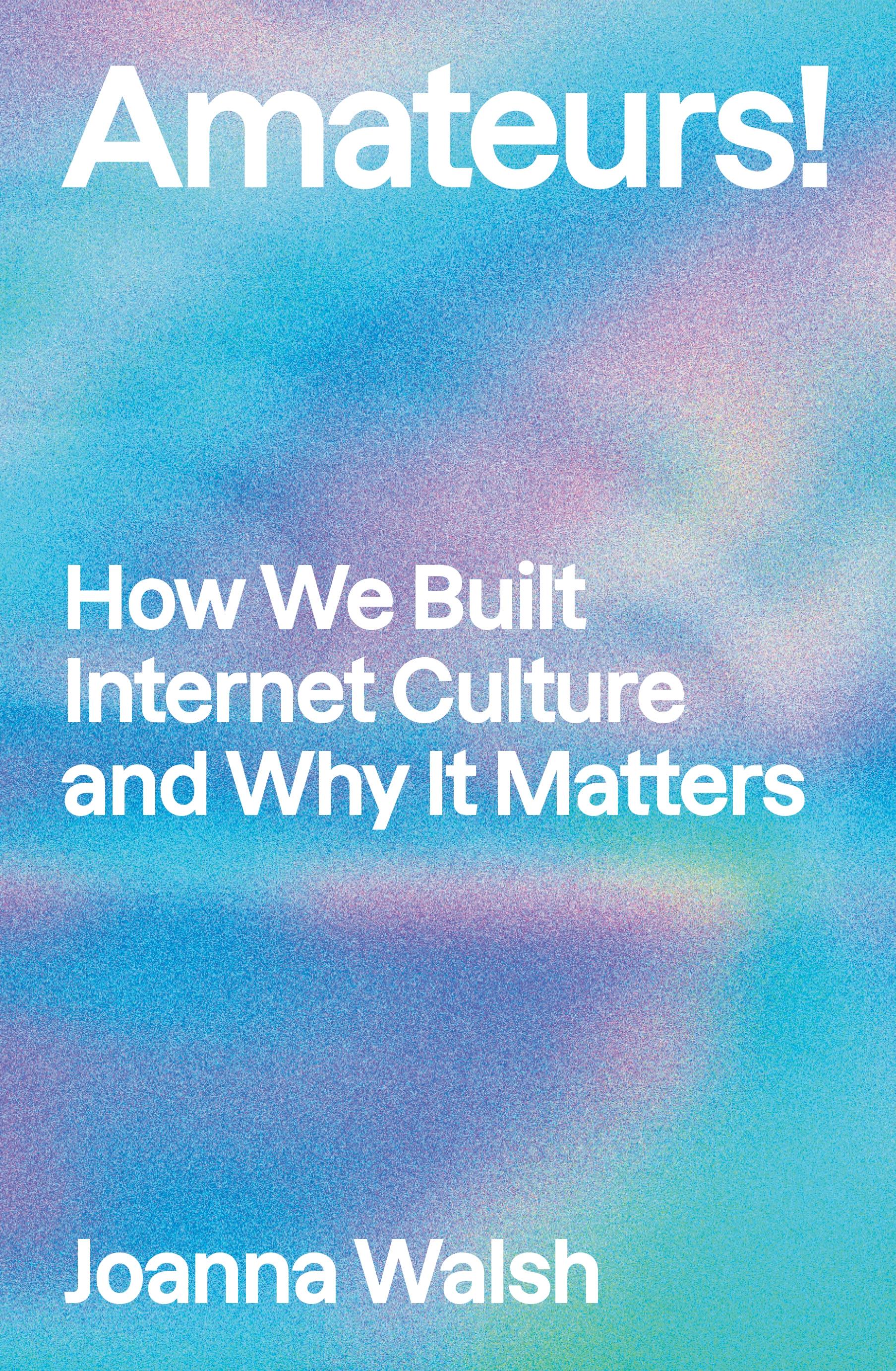
Since the nineties, platforms have invited users to create in return for connection. From blogs to vlogs, tweets to memes: for the first time in history, making art became the fundamental form of communication.
What started as fun soon became currency, something vital to finding friends, work, and love. Then, as 'meatspace' job security eroded, online creativity became work itself. Now an internet presence is no longer optional, platforms increasingly charge users. Whatever it is we're creating online, it isn't amateur anymore. But is it art?
In this scintillating philosophical history of the internet, Joanna Walsh, author of Girl Online, examines how and why creativity became the price of digital existence.
What started as fun soon became currency, something vital to finding friends, work, and love. Then, as 'meatspace' job security eroded, online creativity became work itself. Now an internet presence is no longer optional, platforms increasingly charge users. Whatever it is we're creating online, it isn't amateur anymore. But is it art?
In this scintillating philosophical history of the internet, Joanna Walsh, author of Girl Online, examines how and why creativity became the price of digital existence.
Płać wygodnie kartą, Klarną, Apple Pay lub Google Pay. Nie jesteś zadowolony? Zawsze masz 14-dniową gwarancję zwrotu pieniędzy. Więcej przeczytasz w naszych warunkach. Masz pytania? Napisz do nas na hello@memmo.org.
Memmo ułatwia naukę – gdziekolwiek jesteś na świecie. U nas znajdziesz podręczniki i sprytne narzędzia do nauki w jednym miejscu: streszczenia, quizy, podcasty i fiszki. A do tego Ted, Twój kumpel do nauki, który odpowie na wszystko, co Cię nurtuje. Ponad 50 000 studentów już tu się uczy – stworzone, byś uczył się szybciej i mniej stresował.
Może Ci się spodobać
Kup książkę0