
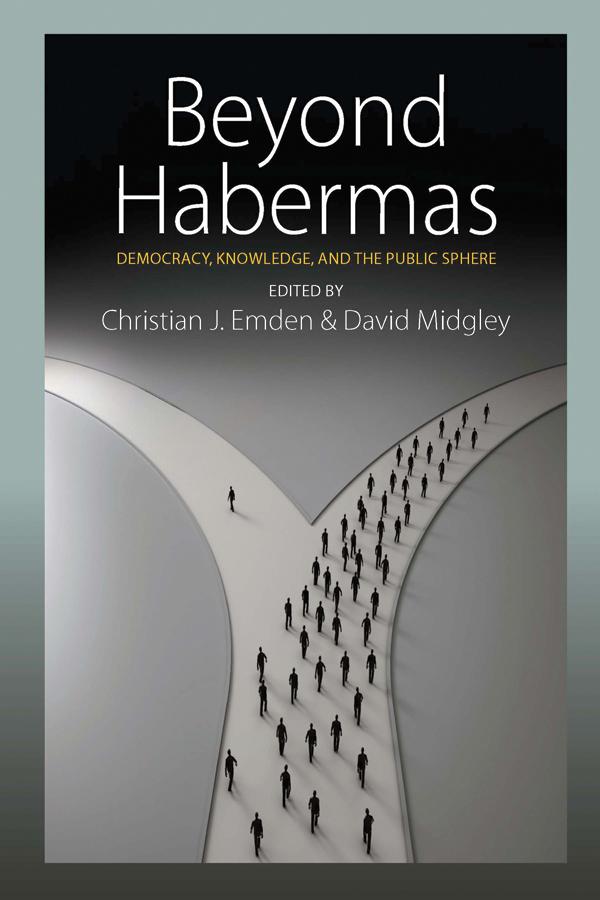
During the 1960s the German philosopher Jürgen Habermas introduced the notion of a “bourgeois public sphere” in order to describe the symbolic arena of political life and conversation that originated with the cultural institutions of the early eighteenth-century; since then the “public sphere” itself has become perhaps one of the most debated concepts at the very heart of modernity. For Habermas, the tension between the administrative power of the state, with its understanding of sovereignty, and the emerging institutions of the bourgeoisie—coffee houses, periodicals, encyclopedias, literary culture, etc.—was seen as being mediated by the public sphere, making it a symbolic site of public reasoning. This volume examines whether the “public sphere” remains a central explanatory model in the social sciences, political theory, and the humanities.
Płać wygodnie kartą, Klarną, Apple Pay lub Google Pay. Nie jesteś zadowolony? Zawsze masz 14-dniową gwarancję zwrotu pieniędzy. Więcej przeczytasz w naszych warunkach. Masz pytania? Napisz do nas na hello@memmo.org.
Memmo ułatwia naukę – gdziekolwiek jesteś na świecie. U nas znajdziesz podręczniki i sprytne narzędzia do nauki w jednym miejscu: streszczenia, quizy, podcasty i fiszki. A do tego Ted, Twój kumpel do nauki, który odpowie na wszystko, co Cię nurtuje. Ponad 50 000 studentów już tu się uczy – stworzone, byś uczył się szybciej i mniej stresował.