
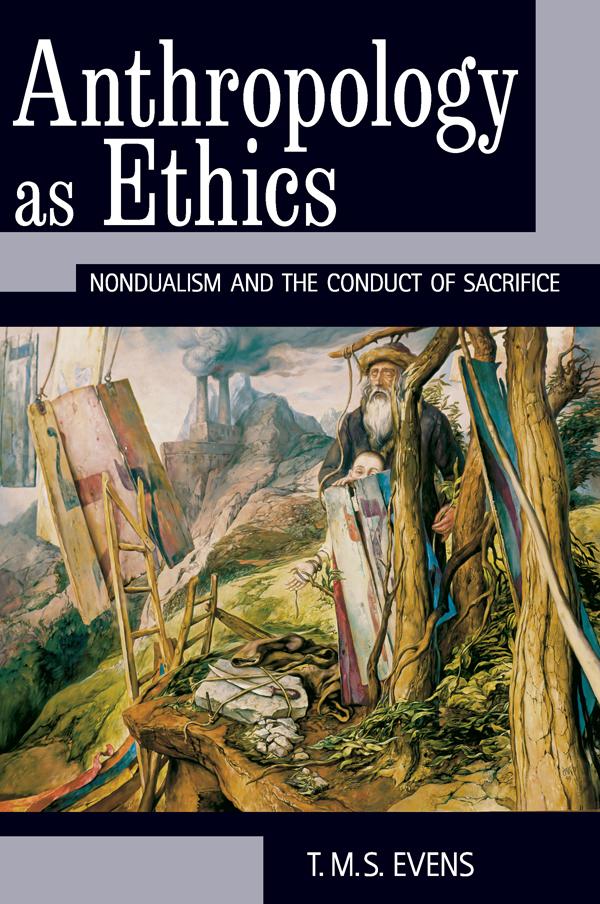
Anthropology as Ethics is concerned with rethinking anthropology by rethinking the nature of reality. It develops the ontological implications of a defining thesis of the Manchester School: that all social orders exhibit basically conflicting underlying principles. Drawing especially on Continental social thought, including Wittgenstein, Merleau-Ponty, Levinas, Dumont, Bourdieu and others, and on pre-modern sources such as the Hebrew bible, the Nuer, the Dinka, and the Azande, the book mounts a radical study of the ontology of self and other in relation to dualism and nondualism. It demonstrates how the self-other dichotomy disguises fundamental ambiguity or nondualism, thus obscuring the essentially ethical, dilemmatic, and sacrificial nature of all social life. It also proposes a reason other than dualist, nihilist, and instrumental, one in which logic is seen as both inimical to and continuous with value. Without embracing absolutism, the book makes ambiguity and paradox the foundation of an ethical response to the pervasive anti-foundationalism of much postmodern thought.
Płać wygodnie kartą, Klarną, Apple Pay lub Google Pay. Nie jesteś zadowolony? Zawsze masz 14-dniową gwarancję zwrotu pieniędzy. Więcej przeczytasz w naszych warunkach. Masz pytania? Napisz do nas na hello@memmo.org.
Memmo ułatwia naukę – gdziekolwiek jesteś na świecie. U nas znajdziesz podręczniki i sprytne narzędzia do nauki w jednym miejscu: streszczenia, quizy, podcasty i fiszki. A do tego Ted, Twój kumpel do nauki, który odpowie na wszystko, co Cię nurtuje. Ponad 50 000 studentów już tu się uczy – stworzone, byś uczył się szybciej i mniej stresował.