
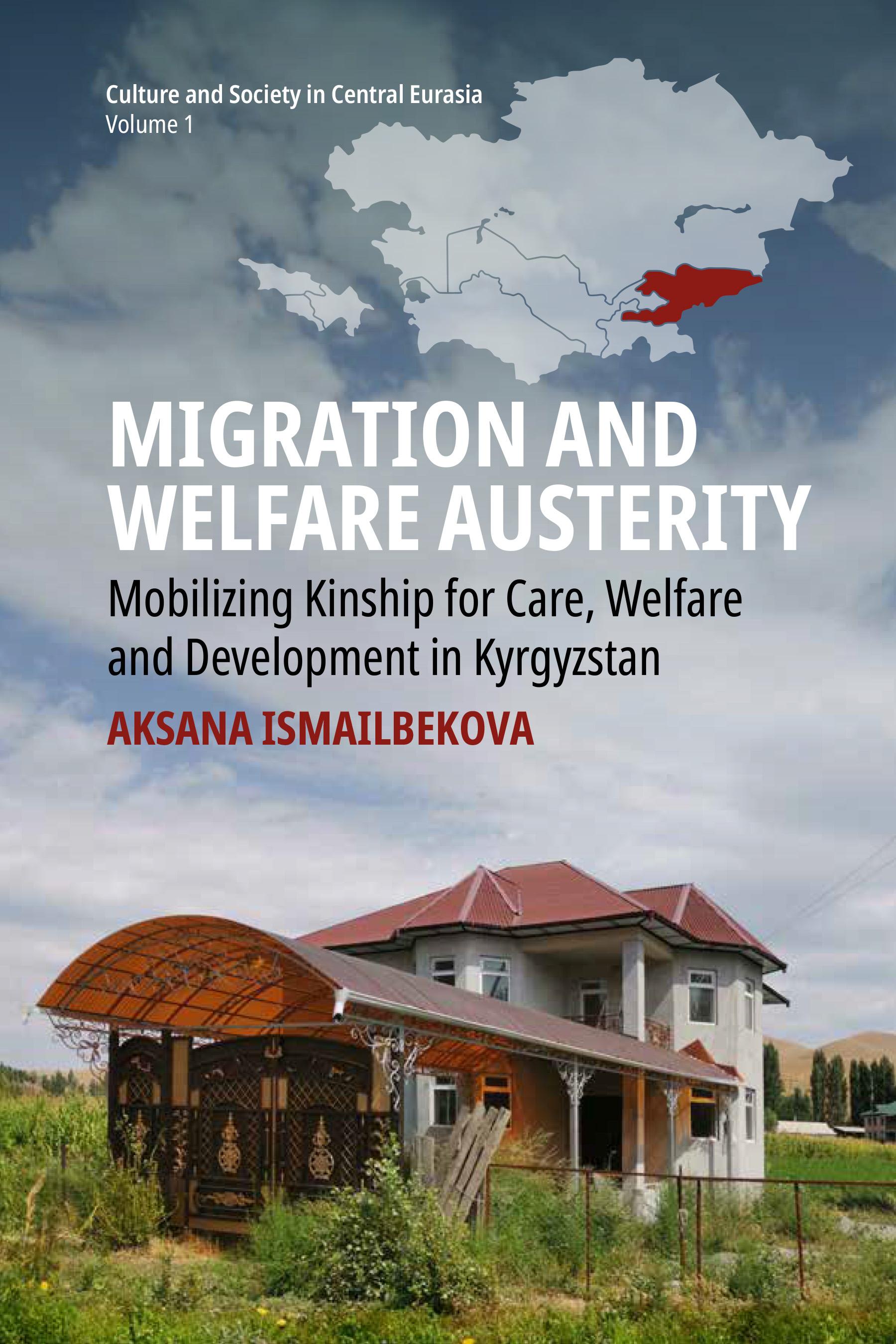
After the collapse of the Soviet Union, residents of Alma, a village in Kyrgyzstan, were faced with many challenges. Economic crisis and the elimination of welfare support forced an entire generation to become labour migrants in Russia. Those ‘left behind’ were sustained by migrants’ remittances and charitable activities, but at a cost. As villagers built upon existing kinship structures to create new practices of mutual aid on the lines of Islamic teaching, they suffered from the ‘dark side of kinship.’ This book shares experiences of people in Alma and its Moscow-based diaspora and how they created a ‘moral economy of migration’ that became territorialised as kindship was de-territorialised.
Płać wygodnie kartą, Klarną, Apple Pay lub Google Pay. Nie jesteś zadowolony? Zawsze masz 14-dniową gwarancję zwrotu pieniędzy. Więcej przeczytasz w naszych warunkach. Masz pytania? Napisz do nas na hello@memmo.org.
Memmo ułatwia naukę – gdziekolwiek jesteś na świecie. U nas znajdziesz podręczniki i sprytne narzędzia do nauki w jednym miejscu: streszczenia, quizy, podcasty i fiszki. A do tego Ted, Twój kumpel do nauki, który odpowie na wszystko, co Cię nurtuje. Ponad 50 000 studentów już tu się uczy – stworzone, byś uczył się szybciej i mniej stresował.