
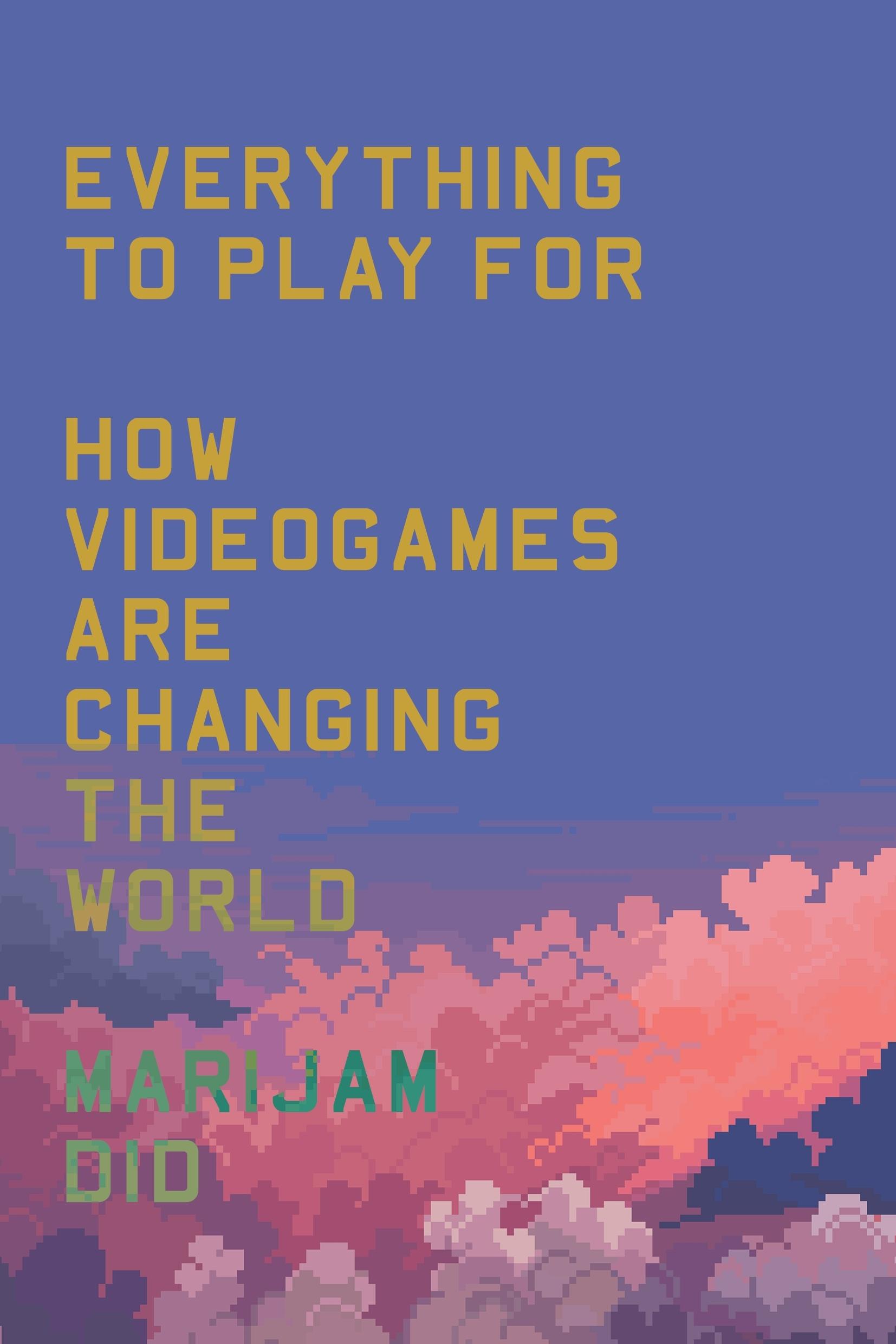
Everything To Play For asks if videogames can achieve egalitarian goals instead of fuelling hyper-materialist, reactionary agendas. Combining cultural theory and materialist critiques with accessible language and personal anecdotes, industry insider Marijam Did engages both novices and seasoned connoisseurs. From the innovations of Pong and Doom to the intricate multiplayer or narrative-driven games, the author highlights the multifaceted stories of the gaming communities and the political actors who organise among them. Crucially, the focus also includes the people who make the games, shedding light on the brutal processes necessary to bring titles to the public.
The videogame industry, now larger than the film and music industries combined, has a proven ability to challenge the status quo. With a rich array of examples, Did argues for a nuanced understanding of gaming's influence so that this extraordinary power can be harnessed for good.
The videogame industry, now larger than the film and music industries combined, has a proven ability to challenge the status quo. With a rich array of examples, Did argues for a nuanced understanding of gaming's influence so that this extraordinary power can be harnessed for good.
Płać wygodnie kartą, Klarną, Apple Pay lub Google Pay. Nie jesteś zadowolony? Zawsze masz 14-dniową gwarancję zwrotu pieniędzy. Więcej przeczytasz w naszych warunkach. Masz pytania? Napisz do nas na hello@memmo.org.
Memmo ułatwia naukę – gdziekolwiek jesteś na świecie. U nas znajdziesz podręczniki i sprytne narzędzia do nauki w jednym miejscu: streszczenia, quizy, podcasty i fiszki. A do tego Ted, Twój kumpel do nauki, który odpowie na wszystko, co Cię nurtuje. Ponad 50 000 studentów już tu się uczy – stworzone, byś uczył się szybciej i mniej stresował.
Może Ci się spodobać
Kup książkę0