
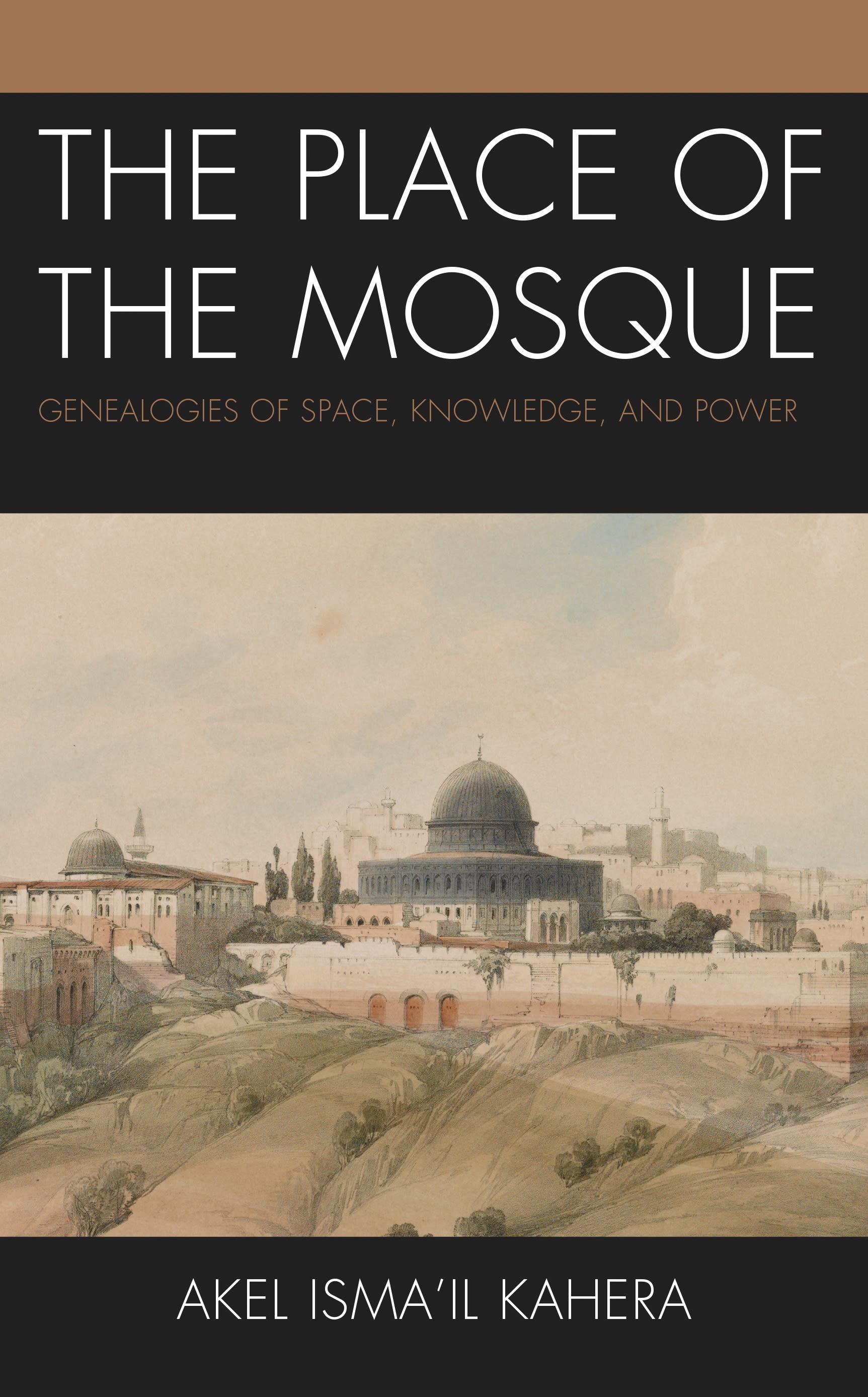
The Place of the Mosque: Genealogies of Space, Knowledge, and Power extends Foucault’s analysis, Of Other Spaces, and the “ideological conflicts which underlie the controversies of our day [and] take place between pious descendants of time and tenacious inhabitants of space.” This book uses Foucault’s framework to illuminate how mosques have been threatened in the past, from the Cordóba Mosque in the eighth century, to the development of Moorish aesthetics in the United States in the nineteenth century, to the clashes surrounding the building of mosques in the West in the twentieth and twenty-first centuries. Akel Kahera uses Foucault’s genealogy to elaborate on and study the subjects that are caught in the emergence of a battle—the social and political will to power, the networks of power, and the rituals of power—within the interstitial space. In going beyond individual buildings to broader geographical and genealogical dimensions of the power struggles, The Place of the Mosque reconciles the public space experience, governmentality, and micro powers, paving the way for a new philosophical language. Expanding architectural and urban regional approaches, Kahera shows the biopolitical significance of the problem of space.
Płać wygodnie kartą, Klarną, Apple Pay lub Google Pay. Nie jesteś zadowolony? Zawsze masz 14-dniową gwarancję zwrotu pieniędzy. Więcej przeczytasz w naszych warunkach. Masz pytania? Napisz do nas na hello@memmo.org.
Memmo ułatwia naukę – gdziekolwiek jesteś na świecie. U nas znajdziesz podręczniki i sprytne narzędzia do nauki w jednym miejscu: streszczenia, quizy, podcasty i fiszki. A do tego Ted, Twój kumpel do nauki, który odpowie na wszystko, co Cię nurtuje. Ponad 50 000 studentów już tu się uczy – stworzone, byś uczył się szybciej i mniej stresował.