
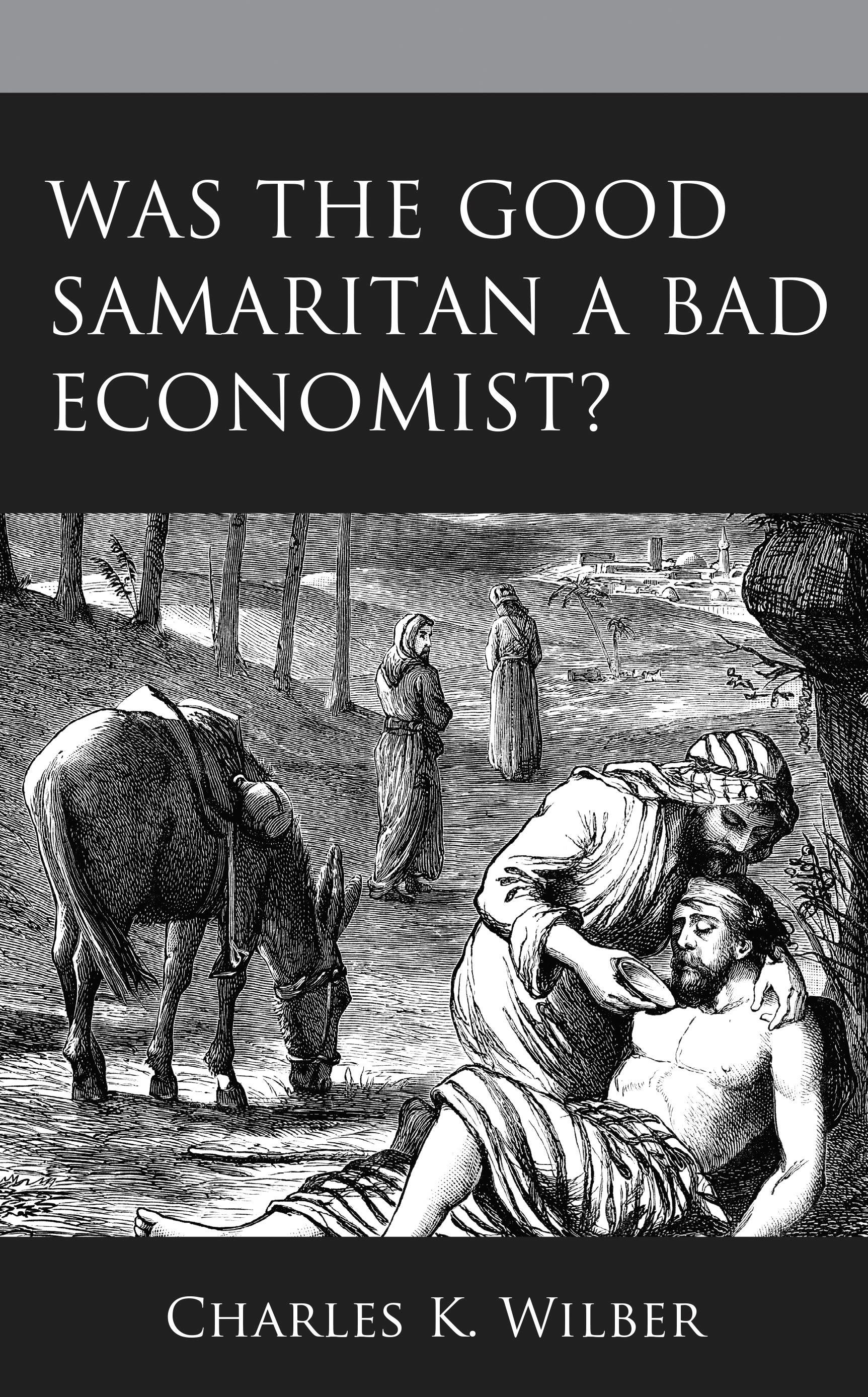
In Was the Good Samaritan a Bad Economist? Charles K. Wilber argues that the American economy has not only failed to overcome poverty, it has generated extreme inequality that in turn restricts social mobility and further marginalizes the poor. Wilber argues that economic theory is permeated with ethical values and any economics must be so; that human behavior is more complex than the economists’ simple self-interest model; that people are also driven by deeply embedded moral values; that markets require intervention to create equity; and that Catholic social thought provides the perspective and values to develop a more relevant social economics. The author takes that modified economics and uses it to analyze specific social problems: labor markets, poverty, inequality, financial crisis, and development. Wilber next focuses on the important role of families, labor unions, parishes, and small Christian communities, such as the Catholic Worker movement, as mediating institutions in the economy. He concludes with a final look at the questions, "Was the Good Samaritan a Bad Economist?".
Płać wygodnie kartą, Klarną, Apple Pay lub Google Pay. Nie jesteś zadowolony? Zawsze masz 14-dniową gwarancję zwrotu pieniędzy. Więcej przeczytasz w naszych warunkach. Masz pytania? Napisz do nas na hello@memmo.org.
Memmo ułatwia naukę – gdziekolwiek jesteś na świecie. U nas znajdziesz podręczniki i sprytne narzędzia do nauki w jednym miejscu: streszczenia, quizy, podcasty i fiszki. A do tego Ted, Twój kumpel do nauki, który odpowie na wszystko, co Cię nurtuje. Ponad 50 000 studentów już tu się uczy – stworzone, byś uczył się szybciej i mniej stresował.